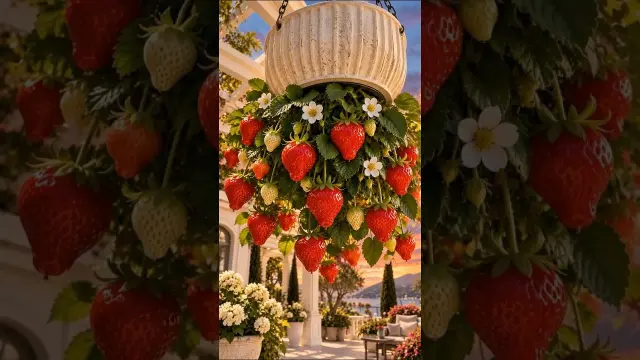
 Growing Strawberries Upside Down in Hanging Planters
#Hanging Planter
1 ideas
Growing Strawberries Upside Down in Hanging Planters
Get new #Hanging Planter ideas by email
Every Thursday: the week's best ideas, with the newest from #Hanging Planter.
Related tags
Hanging Planters: A Guide to Style and Use
What a hanging planter is
A hanging planter is a container designed to be suspended from a hook, bracket, ceiling fixture, or stand instead of resting on a surface. It is used to display plants at eye level or above, saving floor and shelf space while adding greenery to walls, windows, porches, and balconies. Hanging planters can be simple and practical or decorative and sculptural, but their purpose is the same: to hold plants securely while allowing them to trail, spill, or grow upward.
Hanging planters have been used in many forms for a long time, from woven baskets and clay pots to modern metal, ceramic, and lightweight molded designs. They are especially useful where space is limited or where you want to soften a corner, frame a window, or bring life to a vertical area.
Common types and styles
Read more
Hanging planters come in many shapes and materials. Some of the most common kinds include:
- Basket planters, often made from wire, rattan, rope, or woven fibers
- Ceramic or terracotta pots with hangers
- Self-contained pots with built-in suspension systems
- Macramé hangers that support a pot or basket
- Tiered hanging planters for more than one plant
- Wall-mounted hanging systems that keep plants off the floor
Style can be rustic, natural, minimal, modern, or decorative. The best choice depends on the room, the weight you can support, and the kind of plant you want to grow.
What to consider before you choose one
A hanging planter should suit both the plant and the place. Think about weight first, especially if you will hang it indoors. Make sure the hook, bracket, or support is strong enough for the planter, soil, and water. Drainage is also important. A planter with drainage holes helps prevent soggy soil, but if the planter does not have them, you need to water carefully and avoid overwatering.
Light matters too. Some plants prefer bright, indirect light near a window, while others do better in partial shade outdoors. A hanging planter can dry out more quickly than a pot on the ground, so check moisture often, especially in warm or windy spots.
Plants that often work well
Many plants suit hanging planters, especially those with trailing or cascading growth. These can include:
- Trailing foliage plants
- Compact flowering plants
- Herbs in a sunny spot
- Ferns in softer light
- Succulents in very well-drained containers
You can also grow upright plants in hanging containers if the planter is large enough and stable enough, but trailing plants usually give the most natural look.
Care and practical tips
When planting, use a potting mix that fits the plant’s needs and leave enough room for roots. Avoid overpacking the soil. Water thoroughly, then let excess water drain away. Because hanging planters can dry faster, it helps to check them more often than ground-level pots.
Rotate the planter now and then so growth stays balanced and all sides get light. If the plant becomes too heavy or crowded, repot it or trim it lightly. If you are hanging it indoors, place something below it when watering to catch drips.
A simple way to use them well
The most successful hanging planter is one that matches the plant, the light, and the space. Start with one easy plant, observe how quickly the soil dries, and adjust your watering and placement as needed. With a little attention, a hanging planter can bring height, softness, and life to almost any setting.
#Hanging Planter: frequently asked questions
How do I start with a hanging planter if I have never used one?
Start with a single easy trailing plant and a lightweight container you can lift comfortably. Before filling anything, fix the hook or bracket firmly and make sure it can carry the weight of the pot, the soil and the water it will hold. Hang it somewhere you pass often, so you quickly learn how fast that spot dries out.
What do I need before I hang a planter?
You need a container, a strong hook, bracket or ceiling fixture, a potting mix suited to the plant, and something to catch drips if the planter goes indoors. Drainage is just as important: a pot with holes lets excess water escape, while one without holes needs careful, sparing watering.
Which kind of hanging planter should I pick?
Let weight and drainage guide you before looks do. Woven baskets and macramé hangers suit a soft, natural feel, ceramic or terracotta adds stability, and tiered designs work when you want several plants in one spot. Then match the style to the room and the light where it will hang.
How do I care for a plant in a hanging planter?
Check the soil more often than you would for a pot on the ground, since an elevated planter dries faster, especially in warm or breezy spots. Water thoroughly and let the excess drain away, and turn the planter now and then so all sides get light. Trim or repot it once the plant becomes heavy or crowded.
What mistakes should I avoid?
The usual ones are hanging something heavier than the support can hold, choosing a plant that does not match the available light, and overwatering a container with no drainage. Forgetting that hanging planters dry out quickly, or forgetting to catch drips indoors, causes most of the rest.
Can I grow edibles, like herbs or strawberries, in a hanging planter?
Yes. Herbs do well in a sunny hanging spot, and trailing fruits such as strawberries can be grown in suspended containers too. Edibles want good light and steady moisture, so check the soil frequently and use a planter that drains freely.
Videos come from YouTube and posts from Instagram; titles and summaries are our own. All rights belong to their creators.