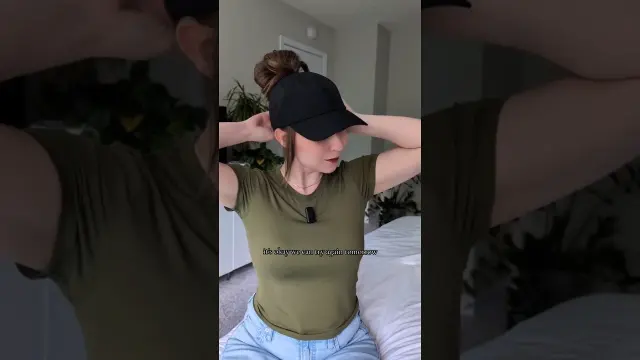
 Hat Day Hairstyle: A Simple Bun That Fits Under a Hat
#Hat Hairstyle
1 ideas
Hat Day Hairstyle: A Simple Bun That Fits Under a Hat
Get new #Hat Hairstyle ideas by email
Every Thursday: the week's best ideas, with the newest from #Hat Hairstyle.
Related tags
Hat Hairstyles: How to Wear Your Hair Under a Hat
A hat does more than finish an outfit. It changes the shape of your head, presses down on your hair, and pushes the question of how to wear the rest of it into the foreground. The hairstyles people reach for under hats are practical answers to a few simple problems: hair that puffs up over the ears, strands that catch on a brim, a ponytail that will not sit flat, or a style that collapses the moment the hat comes off.
What hats do to hair
A hat flattens the crown, so any volume built at the top of the head is lost. It creates friction at the hairline and along the nape, where hair rubs against a band, a seam or a lining. And it usually sits under tension: a hat that grips too tightly can pull on the hair and leave it tender, while a loose one slides and drags strands with it. Most hat hairstyles are designed around these three effects — keep the volume low, keep the ends secured, and keep the hat comfortable rather than snug.
The styles that work best
Read more
The low bun is the most reliable of all: gathered at the nape, twisted or braided so it holds without pins digging into the hat, and flat enough to sit beneath a brim. A low ponytail works for the same reasons, especially when the length is tucked under itself or wrapped with a soft band rather than a metal clasp.
Braids are the other natural fit. A single side braid keeps hair gathered and out of the way, two braids distribute the weight evenly, and a loose braid down the back leaves the crown smooth. Wearing hair down is possible too, but it needs a little discouragement — a slight wave or a soft bend through the mid-lengths keeps it from flying and from clinging to the hat.
Matching the style to the hat
Close-fitting hats such as beanies and caps suit braids, low ponytails and hair left loose around the shoulders, since the hat itself holds the crown in place. Wide-brimmed hats and structured shapes usually look best with hair gathered low, so the brim stays the focus. Berets sit at an angle and pair well with a tucked side section or a small low knot. Bucket hats, with their all-round brim, favour anything that stays below the ears.
Practical tips
Brush hair smooth before putting a hat on rather than after, so you are not dragging tangles against the band. If a hat irritates your hairline, a thin lining or a scarf underneath reduces friction. Loosen the fit if you feel it pulling: a hat should rest on the head, not clamp it. Take the hat off by lifting it straight up, which minimises the flattened dent it leaves behind. Hair that is a little damp will dry into the shape the hat gives it, for better or worse. Wash hats regularly, since they collect oils from the hair and scalp.
If you are starting out
Begin with a low bun at the nape and a soft band, and see how a hat sits over it. From there, a single braid and a wrapped ponytail are easy next steps. Once you know how your hair behaves under a brim, the rest is a matter of adjusting the height and tightness until both hat and hair feel comfortable.
#Hat Hairstyle: frequently asked questions
What hairstyles work best under a hat?
Styles that keep volume low and ends secured tend to work best, since a hat flattens the crown and creates friction along the hairline and nape. A low bun at the nape, a wrapped low ponytail, and a single braid or pair of braids all stay put without fighting the brim. Hair worn down can work too if it has a slight wave or soft bend so it doesn't fly or cling to the hat.
How do I choose a hairstyle for a particular kind of hat?
Let the hat's shape decide. Close-fitting hats like beanies and caps hold the crown themselves, so braids, low ponytails or loose hair around the shoulders all sit comfortably, while wide-brimmed and structured hats look best with hair gathered low so the brim stays the focus. Berets sit at an angle and suit a tucked side section or small low knot, and bucket hats favour styles that stay below the ears.
How do I stop a hat from pulling or irritating my hair?
A hat should rest on your head rather than clamp it, so loosen the fit if you feel any pulling. If the hairline feels irritated, a thin lining or a light scarf underneath cuts down on friction from the band, seam or lining. Taking the hat off by lifting it straight up also reduces the flattened dent it leaves in your hair.
What are common mistakes people make when styling hair for a hat?
The main one is brushing after putting the hat on, which drags tangles against the band and disturbs the shape. Another is building volume at the top of the head, where the hat will flatten it anyway, instead of keeping height low and securing the ends. Wearing a hat over damp hair is also worth thinking about, since hair dries into whatever shape the hat gives it.
I'm new to this — where should I start?
Try a low bun at the nape secured with a soft band, then see how your hat sits over it. Once you know how your hair behaves under a brim, a single braid and a wrapped ponytail are easy next steps. From there you just adjust height and tightness until both the hat and your hair feel comfortable.
How should I look after the hats themselves?
Hats pick up oils from your hair and scalp, so they need washing regularly rather than only when they look dirty. Giving them a little air between wears helps too, and keeping the inside clean means less residue transferring back onto your hair.
Videos come from YouTube and posts from Instagram; titles and summaries are our own. All rights belong to their creators.