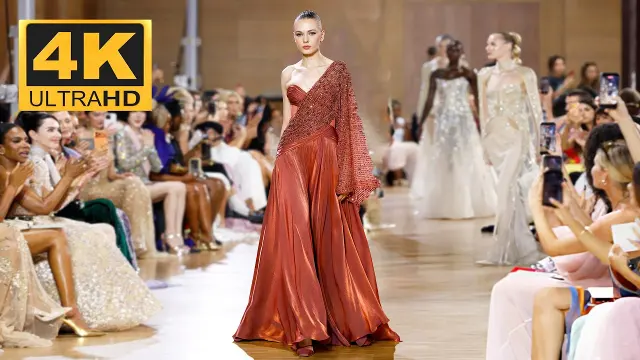
 Tony Ward Fall/Winter Haute Couture Runway Show
#Haute Couture
15 ideas
Tony Ward Fall/Winter Haute Couture Runway Show
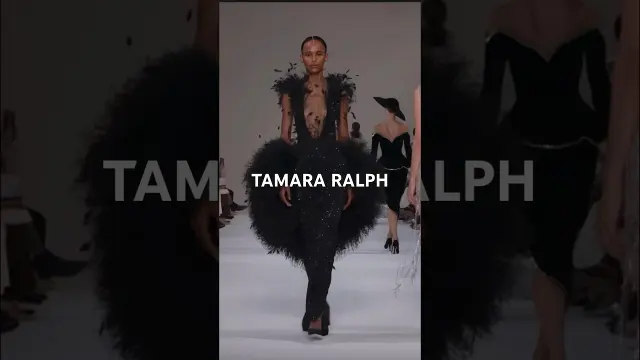 Tamara Ralph Designer and Runway Showcase
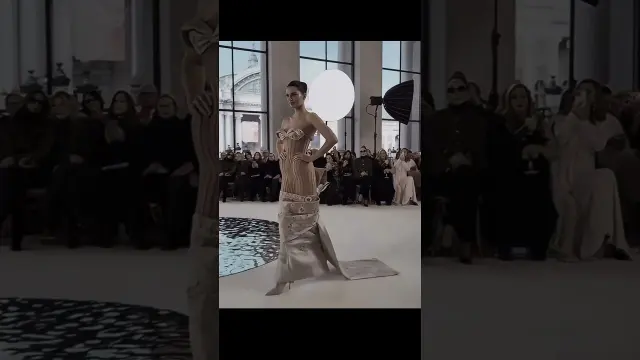 Kendall Jenner and Alex Consani for Schiaparelli
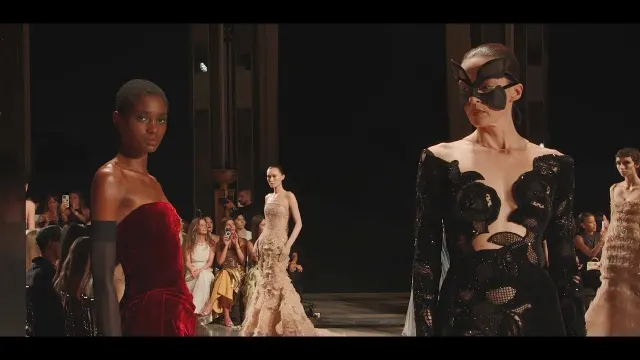 Elie Saab Fall/Winter Haute Couture Runway Presentation
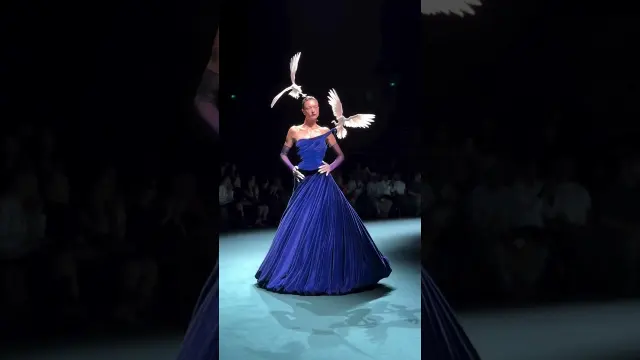 The Art of Couture with Robert Wun
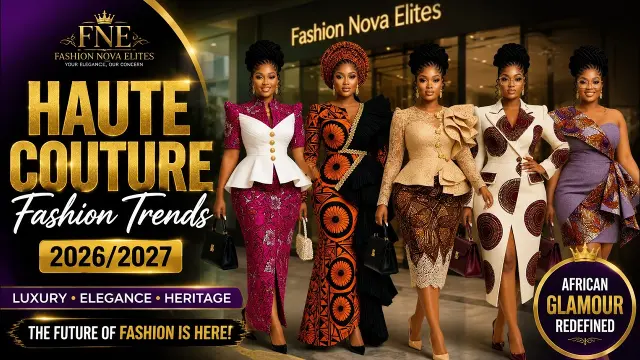 Haute Couture Fashion Trends and Luxury Elegance
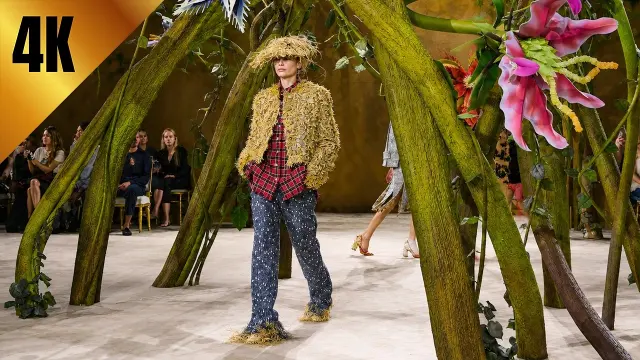 Chanel Fall/Winter Haute Couture Full Fashion Show
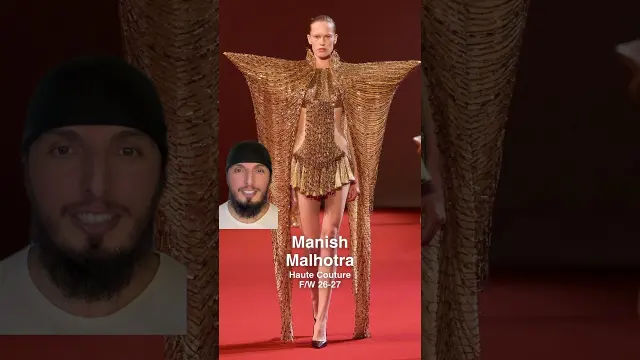 Manish Malhotra Fall/Winter Haute Couture Collection
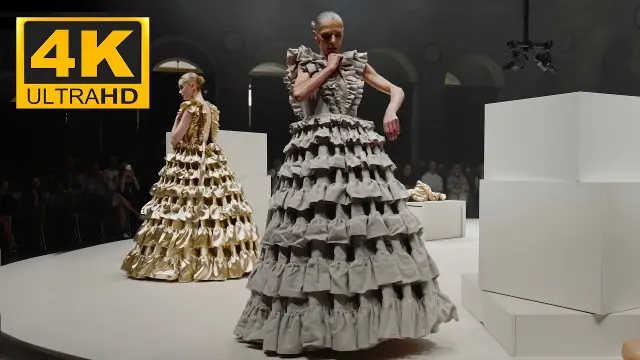 Viktor and Rolf Fall/Winter Haute Couture Show
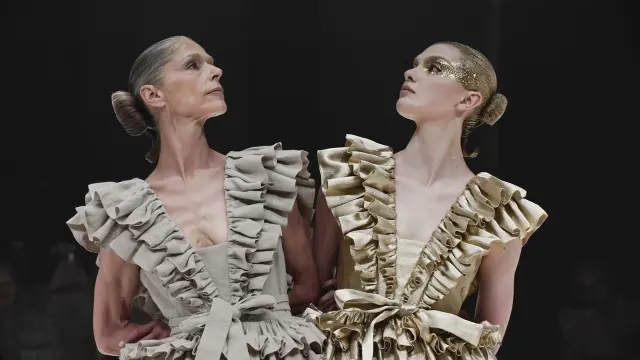 Viktor and Rolf Gilded Age Autumn/Winter Couture
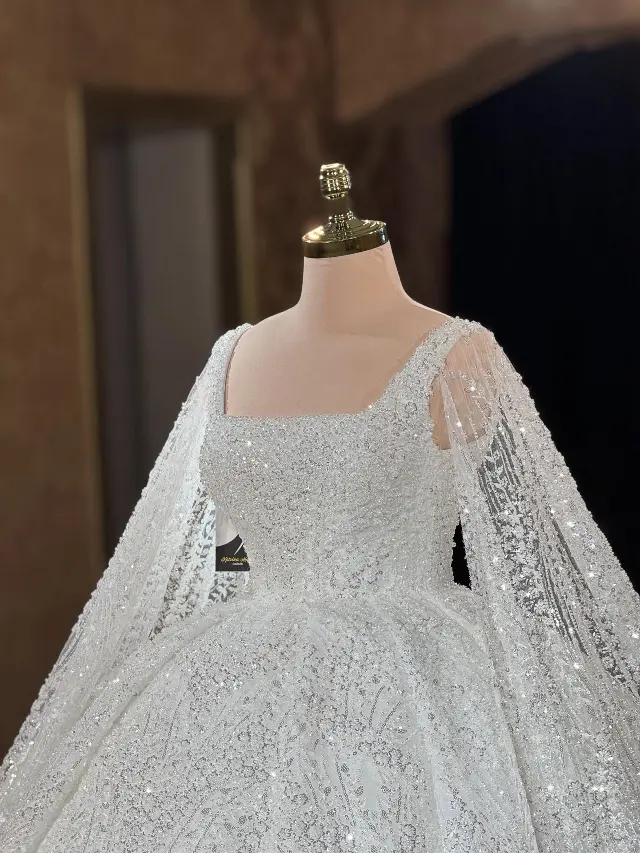 Exquisite New Collection of Designer Wedding Dresses
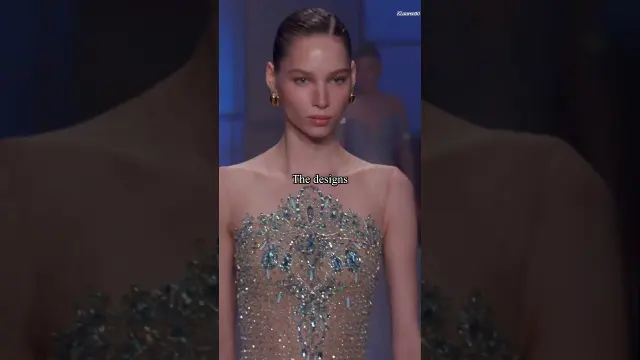 Georges Hobeika Fall Haute Couture Runway Highlights
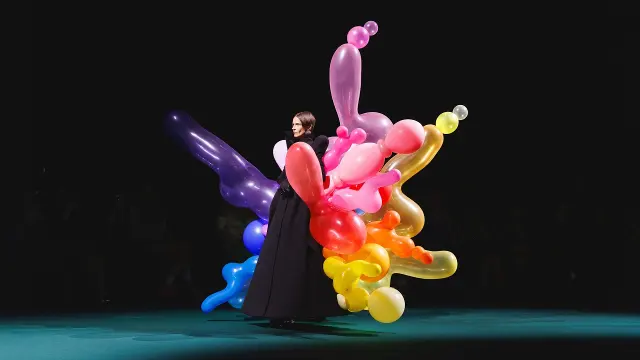 Robert Wun Childsplay Couture Collection
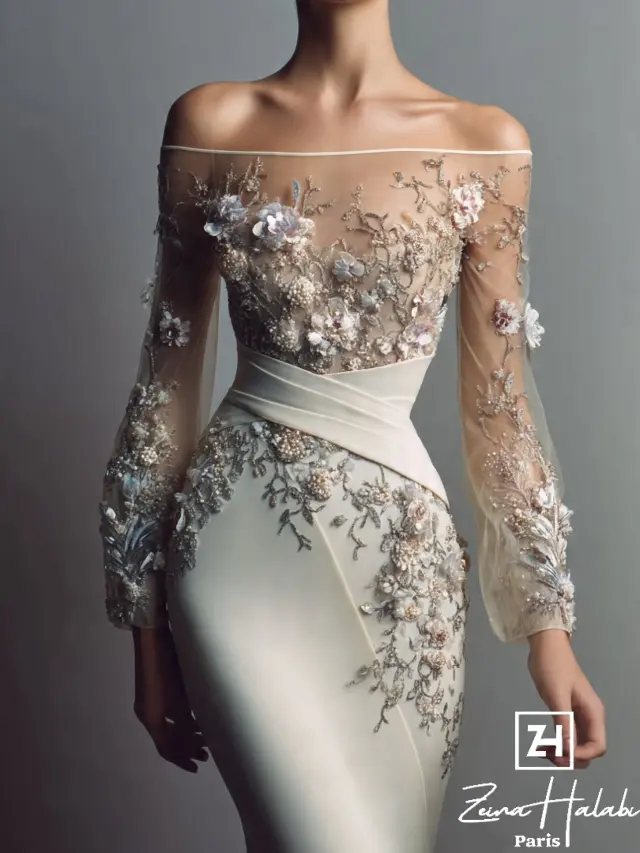 Botanical Haute Couture Column Wedding Dress
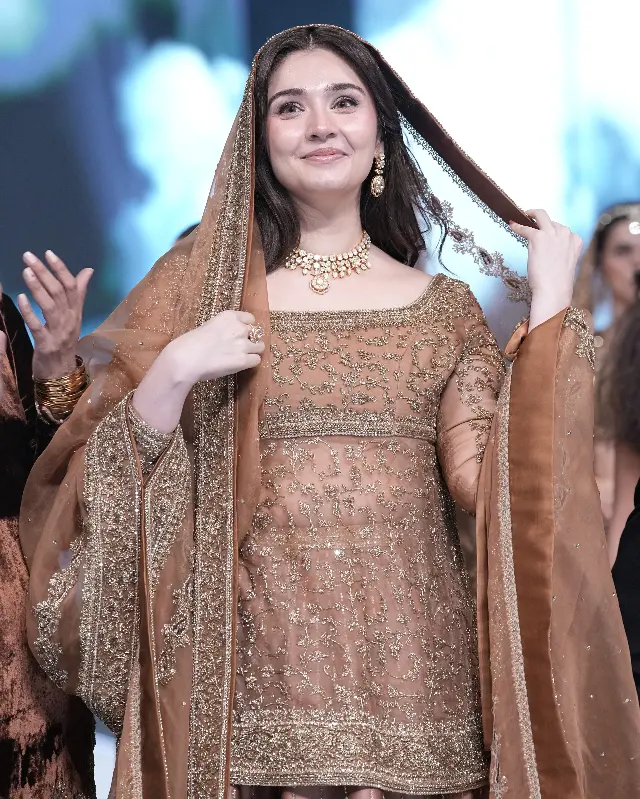 Haute Couture Voluminous Lehenga Skirt Bridal Look
Get new #Haute Couture ideas by email
Every Thursday: the week's best ideas, with the newest from #Haute Couture.
Related tags
Haute Couture: The Art of Bespoke Fashion
What haute couture means
Haute couture is the most refined form of fashion dressmaking. The term comes from French and means “high sewing” or “high dressmaking.” It refers to garments made with exceptional craftsmanship, often by hand, and created for a specific client rather than mass production. At its best, haute couture combines technical skill, artistry, and a deeply personal fit.
Unlike ready-to-wear clothing, couture pieces are designed around the body. Every seam, fold, and ornament is considered carefully. These garments often serve as works of art as much as clothing, and they may feature embroidery, hand beading, fine tailoring, draping, and other time-intensive techniques.
Where it comes from
Read more
Haute couture developed in France, where fashion houses helped define the idea of luxury dressmaking. Over time, couture became associated with Paris and with the traditions of skilled ateliers, where many specialists contribute to a single garment. The style has long represented the meeting point between fashion imagination and meticulous handwork.
Although couture is strongly linked to France, the spirit of high craftsmanship can be found in many places and cultures. Traditional hand embroidery, tailoring, weaving, and decorative techniques from around the world have all influenced the language of couture.
What makes it special
Haute couture is usually defined by a few qualities:
- A custom fit made for one person
- Extensive handwork and careful finishing
- Luxurious or delicate fabrics
- Unique design, often made in very limited numbers
- A strong emphasis on artistry and presentation
Because each piece takes so much time and skill, couture is not practical for everyday wear. Instead, it is often made for special occasions, editorial work, collections, and collectors who value craftsmanship.
Main styles and techniques
Couture can take many forms. Some pieces are structured and architectural, with strong shoulders, sculpted waists, or dramatic silhouettes. Others are soft and fluid, built through draping, layering, and movement. Some are richly decorated, while others rely on the purity of line and fabric.
Common couture techniques include:
- Hand embroidery and beadwork
- Draping directly on a mannequin or body form
- Fine tailoring and precise pattern making
- Appliqué, lace work, and delicate surface decoration
- Corsetry and internal structure for shape and support
What to know if you’re new to couture
If you’re learning about haute couture, start by looking at construction as well as beauty. Notice how a garment moves, where it is fitted, and how decoration supports the shape rather than hiding it. Couture often rewards close observation.
If you love the look of couture but not the scale, you can borrow its ideas in smaller ways:
- Choose well-fitted pieces
- Look for thoughtful tailoring
- Add one statement detail, such as embroidery or a dramatic sleeve
- Value quality fabrics and careful finishing
A timeless ideal
Haute couture is not only about luxury. It is about patience, precision, and imagination. It celebrates the human hand and the idea that clothing can be made with extraordinary care. Whether you admire it for its elegance, its technique, or its creativity, couture remains one of fashion’s most enduring expressions.
Videos come from YouTube and posts from Instagram; titles and summaries are our own. All rights belong to their creators.