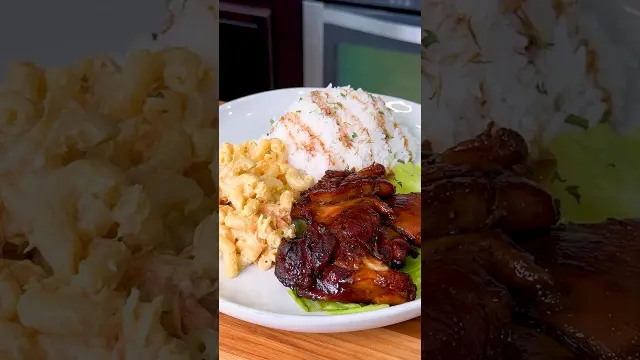
 Hawaiian BBQ Chicken and Macaroni Salad Recipe
#Hawaiian Food
2 ideas
Hawaiian BBQ Chicken and Macaroni Salad Recipe
Get new #Hawaiian Food ideas by email
Every Thursday: the week's best ideas, with the newest from #Hawaiian Food.
Related tags
Hawaiian Food: A Guide to Island Flavors
Hawaiian food is a rich and diverse culinary tradition that reflects the islands' unique history, multicultural heritage, and abundant natural resources. Far more than just a passing trend, traditional and modern island cuisine is built upon a foundation of indigenous ingredients introduced by early Polynesian voyagers, later combined with flavors brought by immigrants from Asia, Europe, and the mainland United States. The result is a vibrant food culture that prioritizes comfort, freshness, and communal eating.
Origins and Traditional Staples
The roots of Hawaiian cuisine lie in the ingredients that early settlers brought with them on their canoes, supplemented by what they found on the islands. Staples like taro, sweet potatoes, coconut, and sugarcane formed the base of daily meals. Taro, in particular, holds immense cultural and nutritional significance in Hawaii. It is traditionally pounded into a smooth, fermented paste known as poi, which is a classic accompaniment to many savory dishes. Seafood has always played a vital role, enjoyed raw, salted, or cooked over open flames.
Iconic Island Dishes
Over generations, Hawaii has developed a distinctive comfort food repertoire that blends various cultural influences into something entirely new.
- Poke: Originally a simple fisherman's snack of diced raw reef fish seasoned with sea salt, seaweed, and crushed candlenut, poke has evolved into a global favorite featuring marinated ahi tuna, salmon, and various modern seasonings.
- Plate Lunch: A quintessential local meal consisting of a generous portion of protein, such as teriyaki beef or slow-roasted pork, served alongside two scoops of white rice and a creamy macaroni salad.
- Kalua Pig: Traditionally cooked in an underground earthen oven called an imu, this pork is seasoned with sea salt and smoked until it is tender enough to shred effortlessly.
- Loco Moco: A hearty comfort dish featuring a bed of white rice topped with a hamburger patty, a rich brown gravy, and a fried egg.
Read more
Fusion and Modern Influences
The arrival of plantation workers from China, Japan, the Philippines, Portugal, and Korea profoundly shaped everyday eating habits in Hawaii. This melting pot gave birth to unique handheld foods like Spam musubi, a slice of grilled luncheon meat combined with rice and wrapped in nori, as well as Portuguese sweet bread and various Asian-inspired noodle soups.
Tips for Enjoying Hawaiian Food at Home
If you want to explore island flavors in your own kitchen, focus on balance and simplicity. Freshness is key, especially when preparing seafood dishes like poke, where the quality of the fish is paramount. Do not shy away from contrasting textures and temperatures, such as pairing warm, savory meats with cool, creamy salads or sweet tropical fruits. Embracing Hawaiian food is ultimately about celebrating community, heritage, and the comforting simplicity of good ingredients prepared with care.
#Hawaiian Food: frequently asked questions
What exactly is Hawaiian food, and why is it so varied?
It is an island cuisine built first on ingredients Polynesian voyagers carried with them, such as taro, sweet potato, coconut and sugarcane, then layered with flavors brought by later communities from Asia, Europe and the mainland. That mix is why the same table can hold pounded taro, raw seasoned fish and a rice-and-gravy comfort plate. What ties it together is a preference for fresh ingredients, savory-sweet contrast and eating together rather than eating formally.
How do I get started cooking Hawaiian food in my own kitchen?
Begin with the simplest preparations rather than a long project: season fish or meat well, cook rice properly, and make one cool, creamy side to set against it. The tradition rewards balance and restraint more than technique, so let a few good ingredients carry the dish. Once those basics feel natural, move on to slow-cooked pork or grilled chicken with macaroni salad.
Which dishes should I try first to understand the cuisine?
Poke is the clearest introduction, since it shows how sea salt, seaweed and a little richness lift raw fish without hiding it. A plate lunch teaches the everyday logic of the cuisine: a generous protein, rice and a cool macaroni salad on one plate. For something heartier, slow-cooked shredded pork or a rice-and-gravy dish with a fried egg shows the comfort-food side.
What ingredients are worth keeping on hand for island-style cooking?
Taro, coconut, sweet potato and rice form a solid base, along with seaweed, sea salt and soy-seasoned marinades for fish and meat. Fresh seafood matters most, because dishes like poke depend entirely on the quality of the fish rather than on heavy seasoning. Canned luncheon meat and nori are also handy for the handheld snacks that came out of the plantation era.
What should I serve at a gathering built around Hawaiian food?
A shared table suits the cuisine better than plated courses, so put out a slow-roasted shredded pork, grilled chicken, rice and a creamy macaroni salad and let people help themselves. Add something cool and something sweet, like a tropical fruit dish, to contrast with the warm savory food. The point is abundance and contrast rather than precision.
What mistakes do people make when cooking Hawaiian food at home?
The most common is treating it as a single cuisine instead of several traditions layered together, which flattens dishes that each have their own logic. Another is overcooking seafood or masking it with too much seasoning, when freshness should be the focus. Skipping the contrast of hot and cold, or savory and sweet, leaves the plate heavier and less balanced than it should be.
Videos come from YouTube and posts from Instagram; titles and summaries are our own. All rights belong to their creators.