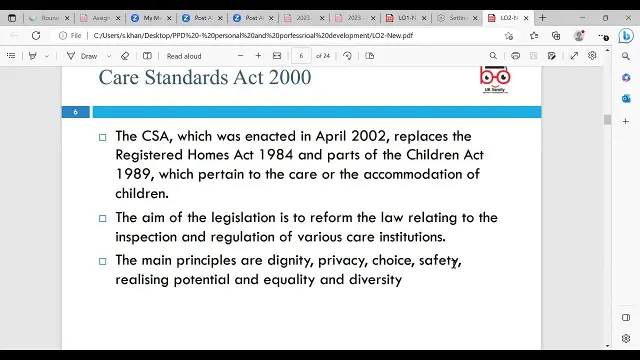
 Personal and Professional Development in Health and Social Care: LO2
#Health and Social Care
2 ideas
Personal and Professional Development in Health and Social Care: LO2
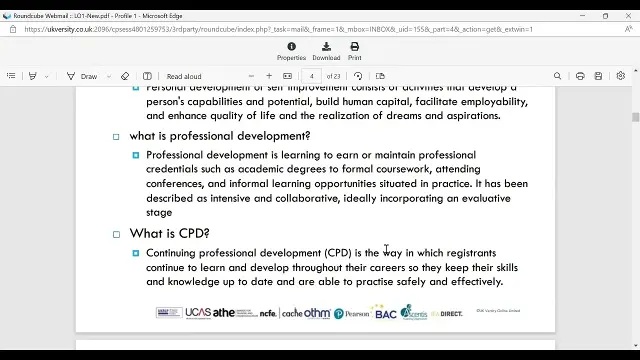 Personal and Professional Development in Health and Social Care: LO1
Get new #Health and Social Care ideas by email
Every Thursday: the week's best ideas, with the newest from #Health and Social Care.
Related tags
Health and Social Care: A Guide to Working in Care
Health and social care is the field that looks after people's physical health, their wellbeing and their daily living needs, often at the same time. The two halves are usually spoken of together because in practice they overlap: a nurse helping someone recover from a stay in hospital, a care worker supporting an older person at home, a support worker assisting an adult with a learning disability to manage their money — all of them are dealing with health and with life, not one or the other.
Where it comes from
Care as a paid, trained profession grew out of a much older tradition of families, neighbours, religious communities and volunteers looking after those who could not manage alone. Over time, medicine became more organised and social support became a public responsibility in many countries, and the two developed side by side. What has not changed is the core idea: care exists because people need other people.
The values that hold it together
Read more
Whatever the setting, the same principles keep coming up. Dignity — treating the person as a person, not as a task or a diagnosis. Person-centred practice — asking what matters to someone rather than deciding for them. Privacy, respect and independence, and supporting people to do what they can for themselves rather than doing everything for them. Safeguarding sits alongside all of this: noticing when someone may be at risk and knowing how to raise it. These values are not decoration; they are what the day-to-day work is judged against.
Settings and roles
Care happens in hospitals and clinics, in care homes, in people's own homes, in day services, hospices, mental health services and community projects. Roles range from clinical work such as nursing and allied health professions to social work, care assistance, support work, activity coordination and management. Some people enter with a qualification, others start as beginners and train on the job; most places expect you to keep learning throughout.
What beginners should know
Start with the person in front of you. Listening well, speaking plainly and being reliable will carry you further than any technique. Learn to record and report accurately — good notes protect the people you support. Ask when you are unsure; guessing is the one thing you should never do. And look after yourself: this work is emotionally demanding, and recognising your own limits, taking breaks and talking to colleagues is part of doing it properly, not a sign of weakness.
If you are considering it, spend some time finding out what the work is really like — the practical, unglamorous, deeply human side of it — before committing. Most people who stay in care do so because of the people, not the paperwork.
#Health and Social Care: frequently asked questions
What is the difference between health care and social care?
Health care focuses on treating illness, injury and physical or mental health conditions, usually through clinical professionals. Social care is about the practical and personal support people need to live their daily lives, such as help at home, managing money or staying connected to the community. In practice the two overlap constantly, which is why they are usually discussed together as one field.
How do I get started in a career in health and social care?
Some roles ask for a formal qualification, while many others welcome beginners and provide training on the job. A sensible first step is to find out what the work is genuinely like day to day, through volunteering, shadowing or talking to people already doing it. From there you can decide whether a college course, an apprenticeship-style route or applying directly to an entry-level support role suits you best.
Which kind of care role should I choose?
It depends on whether you want clinical responsibility, hands-on daily support, or coordination and management. Nursing and allied health roles suit people drawn to treatment and clinical judgement, while care and support work suits those who want close, ongoing relationships with people in their own homes or in residential settings. Think about the setting you enjoy as much as the job title, since hospital, home, hospice and community work feel very different.
What qualities matter most in health and social care work?
Being reliable, listening properly and speaking plainly matter more than any technique, especially at the start. Treating people with dignity and asking what matters to them rather than deciding on their behalf is central to good practice. Noticing when someone may be at risk and knowing how to raise a concern responsibly is part of the same picture.
What are common mistakes beginners make in care work?
Guessing instead of asking when something is unclear is the mistake to avoid most, because a wrong assumption can affect someone's safety. Poor or rushed record keeping is another frequent problem, since accurate notes are what protect both the person being supported and the worker. Many beginners also try to carry everything alone, when recognising your own limits and talking to colleagues is part of doing the job properly.
How do I look after my own wellbeing while working in care?
The work is emotionally demanding, so taking breaks, keeping clear boundaries and talking to colleagues about difficult days are part of professional practice rather than signs of weakness. Building a habit of reflecting on what went well and what was hard helps you keep learning without burning out. Ongoing development and support from the team you work in are central to staying in the field long term.
Videos come from YouTube and posts from Instagram; titles and summaries are our own. All rights belong to their creators.