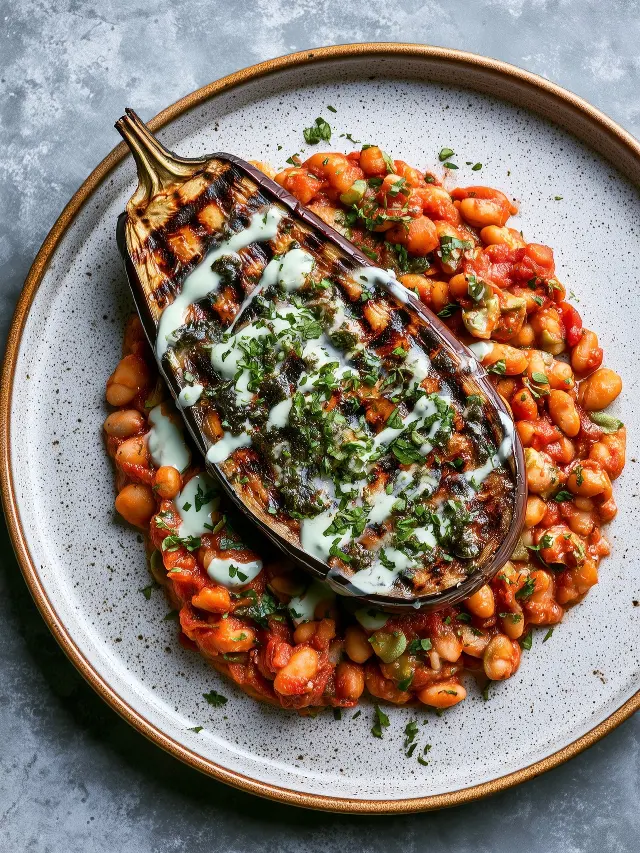
 Smoky Harissa Butter Beans with Aubergine
#Healthy Eating
10 ideas
Smoky Harissa Butter Beans with Aubergine
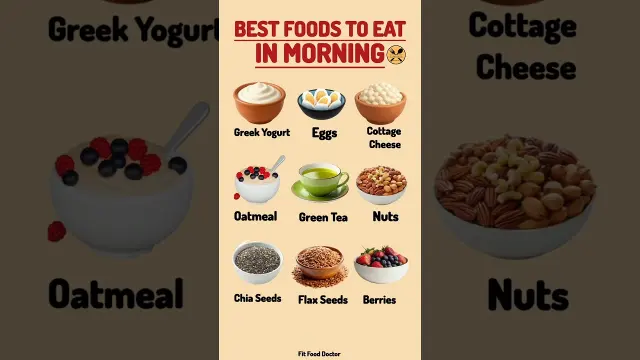 Nutrient-Dense Foods for a Healthy Morning Breakfast
 Fish in a Bag with Potatoes and Vegetables
 One Pan Cod in a Rich Mediterranean Tomato Sauce
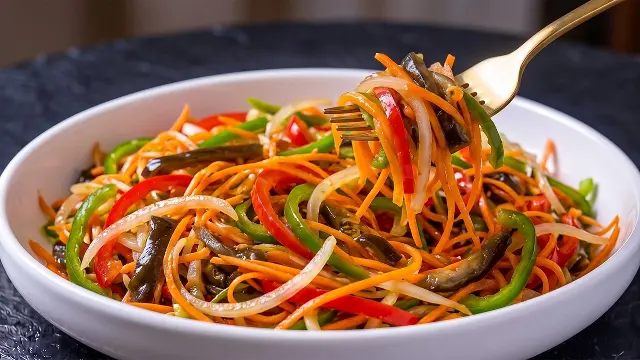 Sizzling Mediterranean Style Eggplant and Vegetable Salad
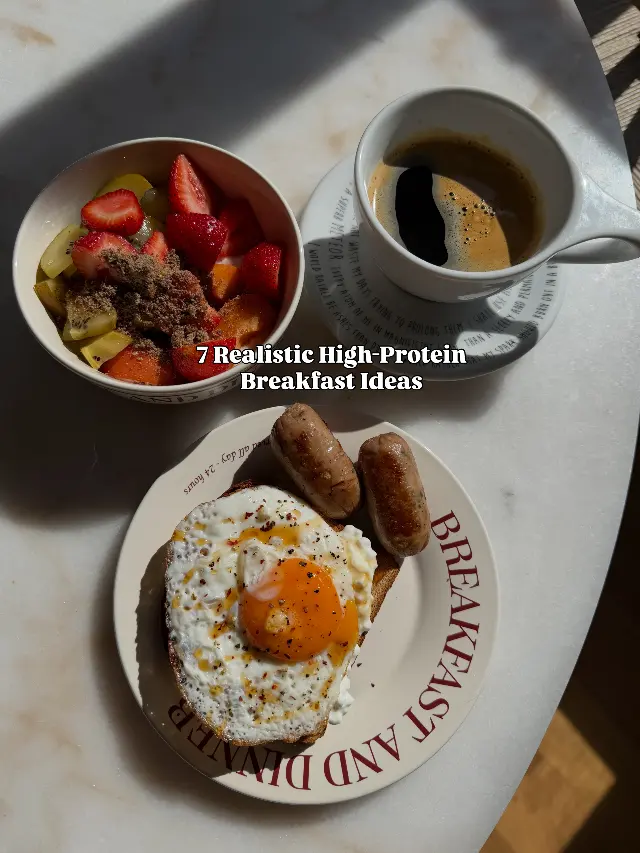 Seven Realistic High-Protein Breakfast Ideas for Your Morning Routine
 Grilled Stuffed Zucchini Boats
 Healthy and High Protein Weekly Meal Prep Ideas
 High Protein Multi Dal Khichdi
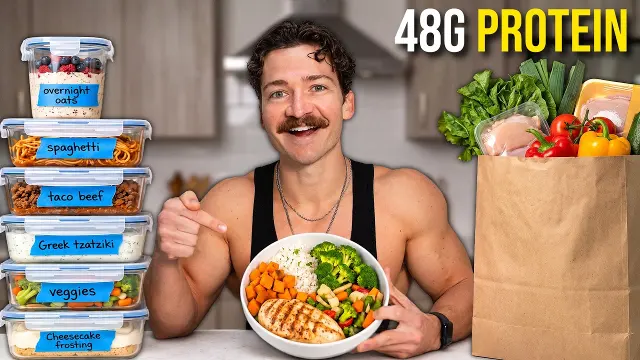 Complete Fitness Meal Prep Routine to Get Shredded
Get new #Healthy Eating ideas by email
Every Thursday: the week's best ideas, with the newest from #Healthy Eating.
Related tags
Healthy Eating: Simple, Balanced Everyday Meals
Healthy eating is not about perfection or strict rules. It is the everyday habit of choosing foods that help you feel satisfied, nourished, and steady. In practice, that usually means building meals around a variety of whole foods, eating enough to support your day, and finding a pattern you can keep without feeling deprived.
What healthy eating means
At its core, healthy eating is about balance. A balanced diet usually includes vegetables and fruit, whole grains, beans, lentils, nuts, seeds, dairy or fortified alternatives if you use them, and a range of proteins such as fish, eggs, poultry, tofu, or legumes. Fats also have a place, especially from foods like olive oil, avocado, nuts, and seeds.
The best approach is the one that fits your life and your preferences. Healthy eating is not one single style of eating, and it does not need to be complicated.
Read more
The main building blocks of a balanced plate
A simple way to think about meals is:
- Half the plate with vegetables and fruit, with vegetables doing most of the work
- A source of protein to help with fullness
- A source of fiber-rich carbohydrate such as potatoes, rice, oats, whole-grain bread, or pasta
- A small amount of healthy fat for flavor and satisfaction
This pattern can work for breakfast, lunch, and dinner. It also helps to include snacks only when you actually need them, rather than eating by schedule alone.
Practical habits that make it easier
Start with meals you already know how to make. Healthy eating becomes easier when you repeat a few reliable combinations and keep simple ingredients on hand.
A few useful habits:
- Plan a few meals for the week instead of every meal
- Keep vegetables, fruit, and protein foods easy to reach
- Cook extra grains, beans, or roasted vegetables for later use
- Drink water regularly and notice if thirst is showing up as hunger
- Eat slowly when you can, so you have time to notice when you feel satisfied
You do not need to cut out entire food groups to eat well. In most cases, consistency matters more than restriction.
For beginners
If you are just starting, make small changes. Add one vegetable to a meal. Choose whole-grain bread more often. Include protein at breakfast. Swap one sugary snack for fruit and yogurt, or nuts and fruit.
It also helps to remember that healthy eating is flexible. Some meals will be simple, some will be more comforting, and some will be less balanced than you hoped. What matters most is the pattern over time.
A gentle approach that lasts
The most sustainable version of healthy eating is one that supports both your body and your daily life. Focus on foods that give you energy, keep you full, and taste good enough that you want to eat them again. When meals are varied, satisfying, and realistic, healthy eating becomes less of a rule and more of a way of living.
Videos come from YouTube and posts from Instagram; titles and summaries are our own. All rights belong to their creators.