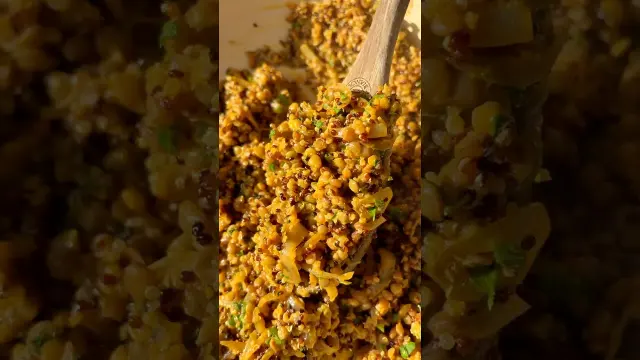
 Comforting Mediterranean Lentil and Quinoa Skillet
#Healthy Meals
2 ideas
Comforting Mediterranean Lentil and Quinoa Skillet
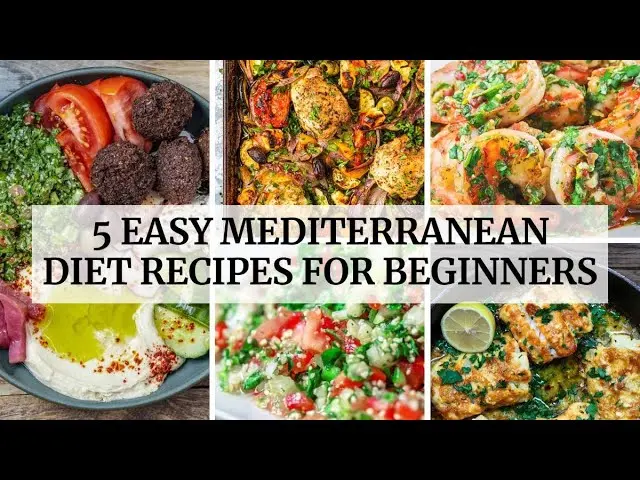 Five Easy Mediterranean Diet Recipes for Beginners
Get new #Healthy Meals ideas by email
Every Thursday: the week's best ideas, with the newest from #Healthy Meals.
Related tags
Healthy Meals: Simple Ideas for Everyday Eating
What healthy meals mean
Healthy meals are meals that give your body a good balance of energy, nutrients, and satisfaction. They are not about strict rules or perfection. In everyday life, a healthy meal usually includes a mix of vegetables or fruit, a source of protein, a whole grain or other high-fibre carbohydrate, and a little healthy fat.
The idea is simple: food should help you feel nourished, steady, and satisfied. A healthy meal can be warm or cold, quick or slow to cook, familiar or new. It can also be adapted to your needs, your culture, and your budget.
Common building blocks
Read more
Most healthy meals are easier to plan when you think in parts:
- Vegetables and fruit for colour, fibre, and variety
- Protein foods such as beans, lentils, eggs, fish, dairy, tofu, chicken, or nuts and seeds
- Whole grains or starchy foods such as brown rice, oats, wholemeal bread, potatoes, quinoa, or pasta
- Healthy fats such as olive oil, avocado, nuts, seeds, or tahini
You do not need every meal to look the same. Some meals may be lighter and others more filling. What matters is the overall pattern across the day and week.
Different kinds of healthy meals
Healthy meals can take many forms. A hearty soup with beans and vegetables can be just as nourishing as a grain bowl or a simple plate of fish, potatoes, and salad. Stir-fries, stews, curries, pasta dishes, sandwiches, and wraps can all be balanced meals when they include a good mix of ingredients.
For beginners, it often helps to start with familiar meals and make small improvements. You might add an extra vegetable, choose wholegrain bread, or include beans in a salad or soup. Small changes can make meals more filling and varied without making them complicated.
Practical tips for everyday cooking
A few habits can make healthy meals easier to manage:
- Keep a few basic ingredients on hand, such as frozen vegetables, tinned beans, rice, oats, eggs, or plain yoghurt
- Cook extra portions when you have time, so another meal is ready later
- Use herbs, spices, lemon, garlic, or vinegar to add flavour without relying on heavy sauces
- Aim for balance instead of trying to remove every treat or favourite food
- Plan meals around what you already enjoy, then build from there
If you are short on time, simple meals are often the best choice. A nourishing meal does not need many ingredients or complicated methods.
A gentle approach that lasts
Healthy eating works best when it feels realistic. It is more useful to build a few dependable meals than to follow a perfect plan for a short time. Try to notice which foods leave you feeling comfortable and satisfied, and use those as your base.
If you cook for yourself or others, think about variety across the week rather than trying to make every meal ideal. Over time, this steady approach can make healthy meals feel natural, practical, and enjoyable.
Videos come from YouTube and posts from Instagram; titles and summaries are our own. All rights belong to their creators.