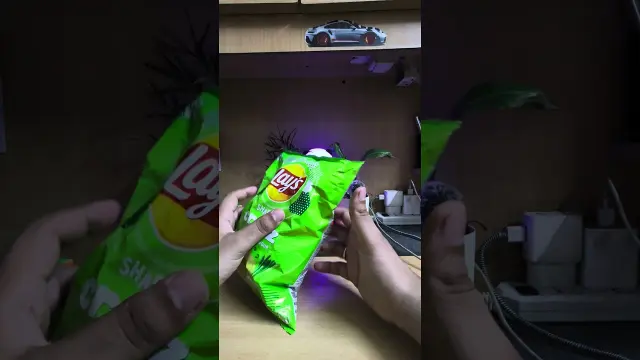
 Unboxing and Review of Lays Shapez Herb and Onion Crisps
#Herb and Onion
1 ideas
Unboxing and Review of Lays Shapez Herb and Onion Crisps
Get new #Herb and Onion ideas by email
Every Thursday: the week's best ideas, with the newest from #Herb and Onion.
Related tags
Herb and Onion: A Classic Savoury Pairing
Onion and herbs sit at the quiet centre of savoury cooking. Separately, each is ordinary; together they form a flavour base that runs through soups, stews, roasts, salads, breads and dressings across most of the world's cuisines. The pairing works because the two elements are complementary rather than similar: onion brings sweetness, depth and a faint pungency that softens as it cooks, while herbs add lift, aroma and a green freshness that stops rich food from tasting heavy.
Where the pairing comes from
Cooks arrived at this combination independently in many places, which is why it looks different depending on where you stand. In French cooking it appears as the fine dice of onion softened slowly in butter before anything else joins the pan. In Mediterranean kitchens raw onion is sliced thin and paired with parsley, mint or dill, dressed with oil and lemon. In South Asian cooking onions are fried until deep brown and combined with coriander, curry leaf or fenugreek. Northern European traditions lean on chives and dill alongside milder onions, and West African cooking uses onion as the aromatic backbone with herbs and leafy greens added later.
The two families of herbs
Read more
It helps to think in two groups. Soft, leafy herbs — parsley, coriander, basil, dill, chervil, mint — lose their character quickly under heat and are best added at the end or used raw. Woody, resinous herbs — thyme, rosemary, sage, oregano, marjoram, bay — stand up to long cooking and are usually added early so their oils can infuse the dish. Chives and spring onion sit somewhere between: delicate, but happy in a warm pan for a minute or two.
Getting the onion right
The single most useful technique is patience. Onions release water before they brown, so a pan that is too hot or too crowded will steam them rather than sweeten them. Give them moderate heat, a little fat, and enough room, and the sugars develop slowly into something round and deep. How finely you cut matters too: smaller pieces break down into a sauce, larger ones keep their texture. Raw onion for salads benefits from a brief soak in cold water, which takes the edge off without changing the crunch.
Flavour blends and everyday uses
Dried onion and dried herbs combine well in seasoning mixes, rubs and spice blends, where the moisture has been removed from both so they keep evenly. Fresh, the pairing covers a wide range: herbed omelettes, onion tarts, potato salads, stuffings, bean dishes, marinades, herbed flatbreads and simple yogurt dips. A handful of chopped herbs stirred into slow-cooked onion at the end is often all a plain dish needs.
For beginners
Taste as you go — herb strength varies enormously between a supermarket bunch and one cut from a garden. Add herbs in stages rather than all at once. Keep dried herbs away from direct light and heat, and crumble them between your fingers before use to release their aroma. Above all, treat the onion as the foundation rather than an ingredient to hurry past; most of the flavour in the finished dish is decided in those first few minutes.
#Herb and Onion: frequently asked questions
How do I start cooking with onion and herbs if I'm a beginner?
Begin with something forgiving, like a soup, a bean dish or an omelette, where you can taste and adjust as you go. Soften chopped onion gently in a little fat until it turns sweet and translucent, then stir in chopped herbs near the end. Add herbs in stages rather than all at once so you can judge how strong they are.
Which herbs should go in at the start and which at the end?
Woody, resinous herbs such as thyme, rosemary, sage, oregano, marjoram and bay hold up to long cooking, so they are added early to let their oils infuse the dish. Soft leafy herbs like parsley, coriander, basil, dill, chervil and mint lose their character quickly under heat and are best used raw or stirred in at the end. Chives and spring onion sit in between, fine in a warm pan for only a short spell.
Which kind of onion should I choose for what I'm making?
It comes down to how finely you cut and how long you cook: small pieces break down into a sauce, while larger ones keep their texture in the finished dish. Milder onions suit raw salads and Northern European dishes with chives and dill, while stronger ones reward slow browning alongside coriander, curry leaf or fenugreek. Raw onion for salads benefits from a brief soak in cold water to take the edge off without losing the crunch.
How should I store fresh and dried herbs so they keep their flavour?
Keep dried herbs away from direct light and heat, and crumble them between your fingers just before use to release their aroma. Fresh bunches vary a lot in strength depending on where they came from, so taste as you go rather than trusting the quantity blindly. Dried onion and dried herbs work well together in rubs and seasoning blends because the moisture is gone from both.
What are the most common mistakes when cooking onions and herbs together?
The biggest one is rushing the onion: a pan that is too hot or too crowded steams it instead of sweetening it, so give it moderate heat, a little fat and enough room. Another is dumping all the herbs in at once, which flattens the layers of aroma. Remember that most of the flavour in the finished dish is decided in those first few minutes of cooking the onion.
What dishes work well for serving onion and herbs together?
The pairing carries everything from herbed omelettes, onion tarts and potato salads to stuffings, bean dishes, marinades, herbed flatbreads and simple yogurt dips. For a gathering, a slow-cooked onion dish finished with a handful of chopped herbs is often all a table needs alongside bread and something fresh. Dried blends in rubs and dips also travel well and can be made ahead.
Videos come from YouTube and posts from Instagram; titles and summaries are our own. All rights belong to their creators.