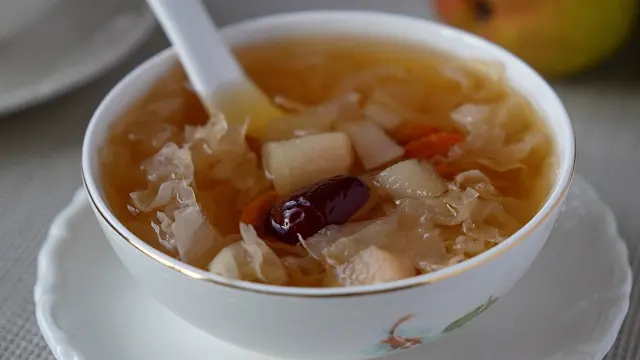
 Snow Fungus and Pear Chinese Herbal Dessert Soup
#Herbal Food
1 ideas
Snow Fungus and Pear Chinese Herbal Dessert Soup
Get new #Herbal Food ideas by email
Every Thursday: the week's best ideas, with the newest from #Herbal Food.
Related tags
Herbal Food Guide
Herbal food is food made with herbs or seasoned with them in a way that values both flavour and tradition. In many cuisines, herbs are part of everyday cooking, while in others they are used in broths, teas, soups, desserts, and home-style remedies. Herbs have long been gathered, dried, and cooked with foods because they can add aroma, colour, freshness, and a distinctive character to simple ingredients.
What herbal food means
In the broadest sense, herbal food includes dishes where herbs are an important part of the recipe rather than a small garnish. This can mean fresh herbs such as parsley, basil, mint, coriander, dill, or chives, as well as dried herbs like thyme, oregano, rosemary, bay leaf, fennel seed, and many others depending on the cuisine. It can also include dishes that use culinary herbs in combination with roots, flowers, seeds, mushrooms, fruits, grains, or meatless ingredients.
Herbal food is especially common in traditional cooking, where ingredients are often chosen for balance: something fresh with something rich, something fragrant with something plain, or something lightly bitter with something sweet. Many families also use herbs in seasonal cooking, because herbs can help make simple meals feel lighter and more aromatic.
Read more
Main styles and uses
Herbal food can take many forms:
- Soups and broths, where herbs are simmered to build fragrance
- Stews and braises, where herbs soften into the cooking liquid
- Salads and cold dishes, where fresh herbs add brightness
- Teas and infusions, where herbs are steeped in hot water
- Stuffings, sauces, and marinades, where herbs season the whole dish
- Desserts and drinks, where herbs bring a delicate, unusual note
Some herbal dishes are meant to be deeply savoury, while others are lightly sweet or soothing. In some traditions, herbs are paired with grains, beans, mushrooms, or fruit to create meals that feel comforting and balanced.
What beginners should know
If you are new to cooking with herbs, start small. A little herb can go a long way, especially with strong flavours like rosemary, sage, mint, or dill. Fresh herbs usually taste brighter and more delicate, while dried herbs tend to taste deeper and more concentrated.
A few simple tips:
- Add tender fresh herbs near the end of cooking so their flavour stays fresh
- Add hardy dried herbs earlier so they have time to soften
- Wash fresh herbs gently and dry them well before using
- Taste as you go, especially when combining several herbs
- Keep the rest of the dish simple so the herb flavour can come through
Choosing and cooking with herbs
The best herbs for a dish depend on the ingredients around them. Fresh herbs can lift vegetables, grains, eggs, soups, and salads. Woodsy herbs work well in slow-cooked dishes, while softer herbs suit lighter meals. If you are experimenting, try one herb at a time first so you can learn its flavour clearly.
Herbal food is at its best when it feels natural, balanced, and not forced. Whether you are making a clear soup, a fragrant rice dish, a herb tea, or a simple salad, the goal is usually the same: to let the plant’s aroma and character support the food, not overpower it.
Videos come from YouTube and posts from Instagram; titles and summaries are our own. All rights belong to their creators.