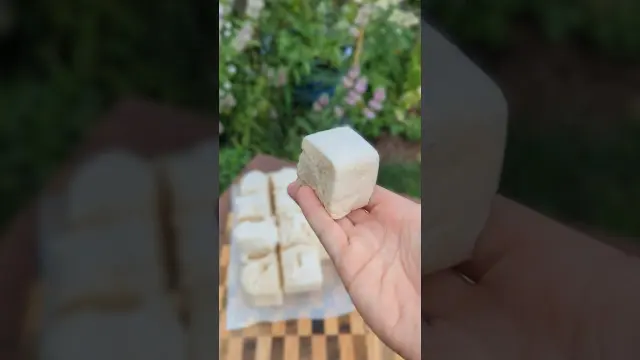
 Harvesting Marshmallow Root From The Garden
#Herbalism
1 ideas
Harvesting Marshmallow Root From The Garden
Get new #Herbalism ideas by email
Every Thursday: the week's best ideas, with the newest from #Herbalism.
Related tags
Herbalism Guide for Beginners
Herbalism is the traditional practice of using plants for everyday well-being, home care, and gentle support. People have worked with herbs for centuries in many parts of the world, blending local knowledge, observation, and family traditions. Some use herbalism as a practical household skill, while others approach it as a study of plants, preparation methods, and the ways herbs can fit into daily life.
What herbalism includes
Herbalism can mean many things. It may involve making teas, infusions, decoctions, tinctures, oils, vinegars, salves, or simple kitchen remedies. Some people grow medicinal herbs in a garden, gather wild plants carefully, or buy dried herbs from reliable sources. Others focus on culinary herbs such as mint, thyme, rosemary, chamomile, or lemon balm, which can be used both in cooking and in simple preparations.
Herbalism is not one single system. It appears in many cultural traditions, each with its own plants, methods, and understanding of how herbs are used. Because of that, it is best to treat it as a broad field rather than one fixed set of rules.
Read more
Common forms and methods
A few basic preparations come up again and again:
- Infusions are made by steeping soft plant parts, such as leaves or flowers, in hot water.
- Decoctions are simmered for tougher parts like roots, bark, or seeds.
- Tinctures are plant extracts made in alcohol or another liquid medium.
- Oils and salves are used externally and are often made from herbs infused into oil.
- Poultices and compresses apply plant material or brewed liquid to the skin.
Each method suits different plant parts. Leaves and flowers are usually handled more gently, while roots and bark often need more heat or time to release their qualities.
What beginners should know
If you are new to herbalism, start with familiar, mild herbs and learn one plant at a time. Pay attention to identification, preparation, and safe use. A plant can look simple and still be unsuitable if it is misidentified, stored badly, or used in the wrong way.
It helps to keep a notebook for notes on scent, taste, appearance, and how you prepare each herb. Over time, this builds a personal reference that is more useful than trying to memorize everything at once.
Practical tips
- Buy or harvest herbs from clean, trusted places.
- Dry herbs fully before storing them to help prevent mold.
- Label jars clearly with the plant name and the date.
- Store herbs away from heat, light, and moisture.
- Start with small amounts when trying a new herb.
- Be cautious if you are pregnant, nursing, taking medication, or managing a health condition, and ask a qualified professional if you are unsure.
Herbalism is most rewarding when you move slowly, observe carefully, and treat plants with respect. The more you learn, the more you will notice that herbs are not only useful, but also deeply connected to place, season, and everyday care.
Videos come from YouTube and posts from Instagram; titles and summaries are our own. All rights belong to their creators.