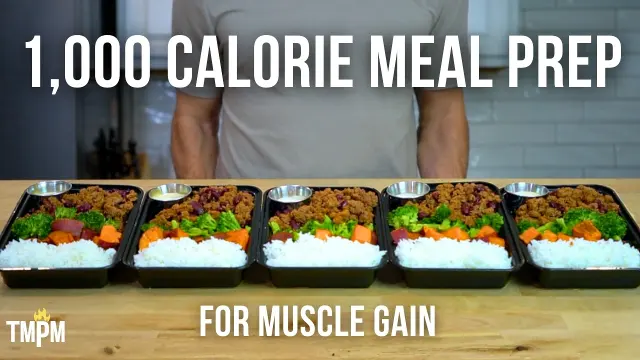
 Big Boy Korean BBQ Beef Bowls for High-Calorie Bulking
#High Calorie
1 ideas
Big Boy Korean BBQ Beef Bowls for High-Calorie Bulking
Get new #High Calorie ideas by email
Every Thursday: the week's best ideas, with the newest from #High Calorie.
Related tags
High-Calorie Eating: A Practical Guide
What high-calorie eating means
High-calorie eating simply means choosing foods and meals that provide a lot of energy in a relatively small amount of food. People use this approach for many reasons: to support weight gain, to meet higher energy needs, or to make eating easier when appetite is low. The idea is not just to eat more, but to make each meal count.
A high-calorie diet can be built with everyday foods. It often includes ingredients that are naturally energy-dense, such as grains, dairy, nuts, seeds, oils, avocado, dried fruit, and richer sauces. It can also include larger portions of the same foods you already eat, as long as the overall diet still has enough variety.
When it is useful
Read more
High-calorie meals are often helpful when you need more energy than a typical mixed diet provides. That can include busy days, physically demanding routines, or times when you want to gain weight in a gradual, controlled way. Some people also find high-calorie foods useful when they feel full quickly and need meals that are easier to finish.
For general nutrition, it is best to think about balance rather than calorie count alone. A meal can be high in calories and still include protein, carbohydrates, and fats, along with fruit or vegetables for texture and variety.
Common ways to build a high-calorie meal
The easiest way to increase calories is to add energy-dense extras to familiar meals. For example:
- Stir oil, butter, or nut butter into cooked foods
- Add cheese, avocado, seeds, or nuts to salads, bowls, and sandwiches
- Choose full-flavoured sauces and dressings
- Use milk, yogurt, or cheese in place of lower-energy versions where suitable
- Include starchy foods such as rice, pasta, bread, potatoes, or oats as a solid base
Smoothies, bowls, wraps, and casseroles are especially useful because they can hold a lot of ingredients without feeling too heavy. If you prefer smaller meals, snacks can also be made more filling with combinations like fruit and nut butter, yogurt and granola, or crackers with cheese.
What beginners should know
If you are new to high-calorie eating, start gradually. A sudden jump in portion size can feel uncomfortable, so it often helps to add one or two extra ingredients at a time. It is also worth paying attention to how your body feels after meals. Some high-calorie foods are filling in a lasting way, while others may sit more lightly.
Quality still matters. A high-calorie diet works best when it includes a mix of foods rather than relying only on sweets or ultra-processed snacks. Aim for meals that are satisfying, varied, and easy to repeat.
Practical tips
- Build meals around a hearty base such as rice, pasta, oats, bread, or potatoes
- Add a protein source to help keep meals more complete
- Use fats thoughtfully, since they add calories quickly
- Keep convenient snacks nearby so you do not skip meals
- Choose foods you genuinely enjoy, because consistency matters
High-calorie eating should feel practical, not complicated. The best approach is usually the one you can keep up comfortably, with meals that fit your appetite, routine, and taste.
#High Calorie: frequently asked questions
How do I start eating high-calorie meals without feeling overwhelmed?
Begin with the meals you already cook and add one or two energy-dense extras rather than changing everything at once. Stirring nut butter into oats or adding cheese and avocado to a sandwich keeps the meal familiar while making it more substantial. Give yourself a few meals to notice how each addition sits with you before adding more.
Which ingredients are worth keeping on hand for high-calorie cooking?
Stock a hearty base such as rice, pasta, oats, bread, or potatoes, then keep energy-dense add-ins like oils, butter, nuts, seeds, cheese, yogurt, avocado, and dried fruit nearby. Having these around means you can enrich a meal in a moment instead of planning something new. A protein source and something fresh for texture round it out so meals stay varied.
How do I make a favourite recipe more energy-dense without rewriting it?
Look for the places where a small swap adds a lot: a richer sauce or dressing, full-flavoured dairy instead of a lighter version, or a spoon of oil or butter worked into the pan. Toppings do the rest of the work, so scatter on seeds, nuts, or grated cheese at the end. The dish should still taste like itself, just more satisfying.
Should I build high-calorie meals or rely on snacks?
It depends on how you eat best: if you feel full quickly, smaller snacks like fruit with nut butter or yogurt with granola can carry more of the load than one large plate. If you prefer sitting down to proper meals, put the effort into a hearty base with generous extras. Many people do a bit of both, keeping something convenient within reach so meals don't get skipped.
What mistakes do people commonly make with high-calorie eating?
The usual one is jumping portion sizes too fast, which makes meals feel heavy and unpleasant to finish. Another is leaning on sweets and packaged snacks while leaving out variety, protein, and vegetables, which gets dull quickly. Skipping meals because nothing convenient is nearby undoes the plan, so keep easy options ready.
Can high-calorie meals be prepared ahead for busy days?
Yes, and dishes that hold a lot of ingredients without feeling heavy suit this best: casseroles, grain bowls, wraps, and smoothies all work well made in advance. Build them around a starchy base, add a protein, and finish with energy-dense extras when you serve rather than hours earlier. Repeating a few meals you genuinely enjoy is often the most practical approach.
Videos come from YouTube and posts from Instagram; titles and summaries are our own. All rights belong to their creators.