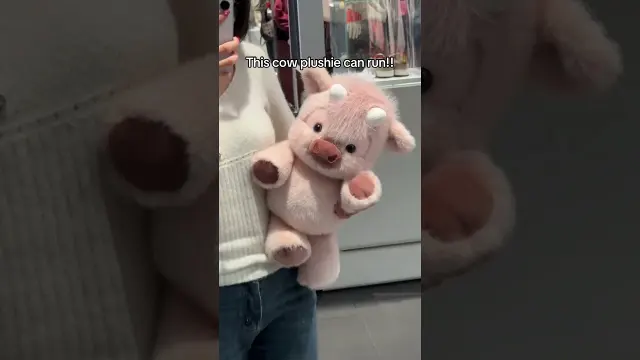
 Scottish Highland Cow Plush in Floral Outfit
#Highland Cow
2 ideas
Scottish Highland Cow Plush in Floral Outfit
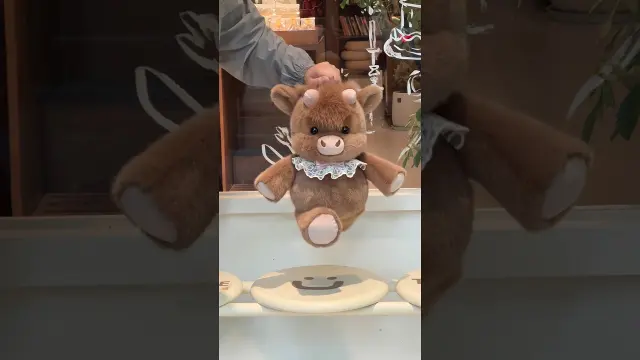 Scottish Highland Cow Plush Walking
Get new #Highland Cow ideas by email
Every Thursday: the week's best ideas, with the newest from #Highland Cow.
Related tags
Highland Cow Guide
Highland cows are one of the most recognisable cattle breeds, with long shaggy coats, wide horns, and a calm, steady presence. Native to the Scottish Highlands and islands, they were developed to cope with harsh weather, uneven land, and limited grazing. Their thick hair helps protect them from wind and rain, while their sturdy build makes them well suited to rough terrain.
What makes them distinctive
The Highland cow’s most striking feature is its coat. Rather than a short, smooth layer, it has long, coarse hair that can grow quite full around the face, body, and legs. This gives the animal its familiar soft, almost teddy-bear look. Their horns are another defining trait: they curve outward and upward, and both males and females can have them.
Colour varies naturally. You may see cattle in red, black, dun, yellow, brindle, or white. The red coat is especially well known, but all colour variations belong to the same breed. Their appearance can change with age and season, since the coat may look fuller in colder weather.
Read more
Temperament and handling
Highland cattle are often described as hardy and generally calm, but like any large animal, they should be treated with respect and space. They are not pets, and they are best appreciated in a farm setting with proper handling. If you are around them, move quietly, avoid sudden gestures, and never approach horns or calves without guidance from the owner.
For farmers and keepers, good fencing, sensible feeding, and regular health checks are important. Their thick coat is practical, but it also means you should watch for dirt, wetness, or burrs that can tangle in the hair. Keeping the animal comfortable is part of responsible care.
Uses and place in rural life
Highland cattle are kept mainly for beef, breeding, and the role they play in managing grazing land. Because they are able to thrive on poorer pasture, they can be useful in environments where other cattle breeds may struggle. In some places, they are also kept for conservation grazing, helping maintain open landscapes and support biodiversity.
They are also popular in farm tourism and rural photography because of their unusual look. Their broad, gentle expression and dramatic coat make them a favourite subject in countryside scenes.
What to know if you are a beginner
If you are new to Highland cattle, the main thing to understand is that their charm comes from both beauty and practicality. They are not simply decorative animals; they are a working breed shaped by a demanding climate. Their care should match their size, strength, and natural behaviour.
If you are looking after them, learn about basic cattle welfare, pasture management, and safe handling from experienced livestock keepers. If you are simply admiring them, give them plenty of distance and enjoy their distinctive look from afar. Their appeal lies in that balance of ruggedness and softness, history and usefulness, all wrapped into one unforgettable animal.
#Highland Cow: frequently asked questions
What makes a Highland cow different from other cattle?
Its long, coarse coat and sweeping horns are the giveaway, and both males and females can carry horns that curve outward and upward. The breed was shaped by the Scottish Highlands and islands, so it handles wind, rain, rough ground and thin grazing better than most. That ruggedness is exactly what gives it the soft, almost teddy-bear look people recognise.
Which colour of Highland cow should I look for?
Red is the best-known shade, but black, dun, yellow, brindle and white all occur and every one of them is the same breed. Coat appearance also shifts with age and season, looking fullest in cold weather. Choose by the look you want for your project rather than treating one colour as the correct one.
How do I care for a Highland cow if I keep them?
Start with solid fencing, sensible feeding, and regular health checks arranged with a vet or experienced keeper. The thick hair is practical in bad weather but traps dirt, wet and burrs, so it needs watching and untangling. Learn basic cattle welfare and pasture management from people who already work with livestock before taking one on.
What are common mistakes people make around Highland cattle?
The biggest one is treating them like pets because the shaggy face looks friendly — they are large animals that need space and calm, quiet movement. Approaching horns or a calf without the owner's guidance is another risk, as is assuming the breed is low-effort because it is hardy. Keep your distance when you are only admiring them.
How can I use a Highland cow theme for gifts, crafts or home decor?
The shaggy silhouette and wide horns translate well into plush toys, soft furnishings, prints and seasonal decorations, and a little styling — a floral outfit or a walking pose, for instance — makes the motif feel playful. Because the animal already reads as both rugged and cuddly, it suits cosy, countryside-inspired interiors and handmade pieces. Keep the palette to the natural reds, duns and creams so it stays recognisable.
Why are Highland cows so popular in photography and farm tourism?
Their dramatic coat and broad, gentle expression make them a natural subject in countryside scenes, and farm visits give people a close look at a breed they might otherwise only see in pictures. They also earn their place on working land through conservation grazing, which keeps open landscapes open. That blend of beauty and usefulness is what keeps them in the spotlight.
Videos come from YouTube and posts from Instagram; titles and summaries are our own. All rights belong to their creators.