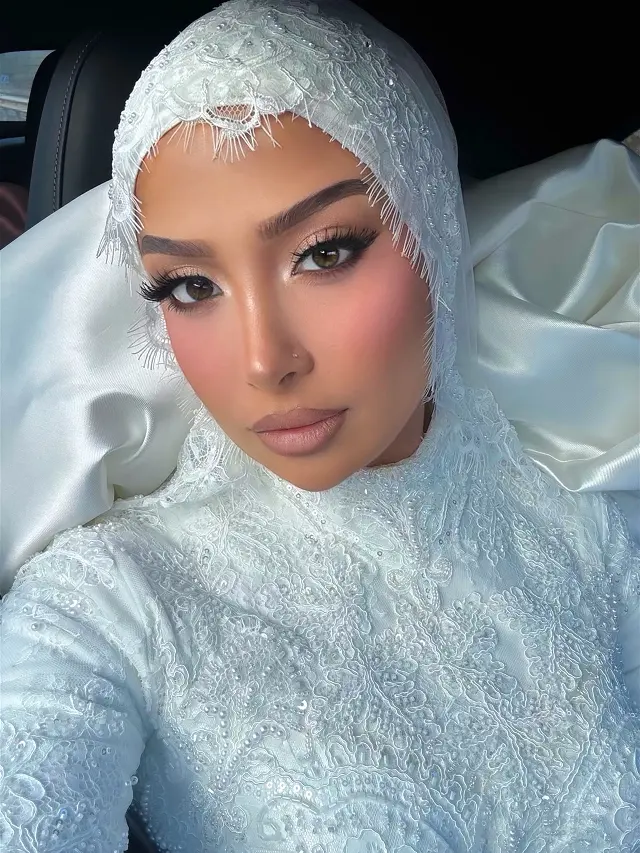
 Bridal makeup and hijab styling for a wedding-day look
#Hijab Styling
1 ideas
Bridal makeup and hijab styling for a wedding-day look
Get new #Hijab Styling ideas by email
Every Thursday: the week's best ideas, with the newest from #Hijab Styling.
Related tags
Hijab Styling: Wraps, Fabrics and Finishing Touches
Hijab styling is the craft of wrapping and arranging a headscarf so that it sits comfortably, stays put and feels like your own. For many Muslim women the hijab is first of all an expression of faith and modesty, covering the hair and neck while leaving the face visible. The styling side of it is simply the everyday part that comes with any garment you wear often: choosing a fabric, learning a few folds, and finding the proportions that suit you.
Where it comes from
Head covering has a long history across many cultures and faiths, and its forms vary enormously from one region to another. You will see long flowing drapes, close-fitting wraps, layered folds and simple shoulder-length styles, often shaped by climate, local custom and family habit. There is no single correct look, and nothing about styling changes the practice itself. Think of it as the difference between wearing a coat and wearing it well.
Choosing a fabric
Read more
Fabric decides how a wrap behaves, so it is the most useful thing to learn first.
- Cotton and jersey: matte, breathable and slightly grippy, so they hold their place with little pinning. Jersey is especially forgiving for beginners.
- Chiffon and georgette: light, fluid and elegant, but they slide. They usually need an undercap and a few pins.
- Crepe and viscose blends: a good middle ground, with a soft drape and enough body to keep a fold.
- Wool blends and heavier weaves: warm and structured, good for cold weather and for styles that need volume.
Whatever you choose, hold it up to the light to check it is opaque enough for your comfort, and check that it is wide and long enough for the style you have in mind.
Common wrap styles
Most styles are variations on a few simple ideas. The basic drape folds the scarf in half, sits it on the head with one side longer, and pins under the chin. The rounded style wraps closely around the face and pins at the back or side for a neat, tidy outline. Layered and turban-like wraps fold and twist the fabric around the crown, often with the ends tucked in. Long shoulder drapes leave the fabric loose over one shoulder, which is a favourite for celebrations because it moves beautifully.
Practical tips
- Start with an undercap or bonnet; it gives the scarf something to grip and keeps hairline edges tidy.
- Pin where the fabric is doubled, and use fewer pins than you think you need.
- Practise in front of a mirror until the folds become muscle memory. The first attempts are always the slowest.
- Keep the scarf clean and lightly pressed, and test any iron heat on a hidden corner first.
- Build a small set of colours that work with most of your wardrobe before adding unusual shades.
- Keep a spare pin in your bag.
For weddings and special occasions, styling tends to add layers, pleats or beaded edges. Weight matters here: build the look in front of a mirror, wear it for an hour beforehand, and loosen anything that pulls. Comfort is the real test of a good wrap, so if you feel tension or pressure, adjust it rather than tolerating it.
Making it your own
The best hijab styling is the one you stop noticing after an hour. Learn two or three wraps you can do quickly, keep the fabrics you enjoy touching, and let the rest follow your taste.
Videos come from YouTube and posts from Instagram; titles and summaries are our own. All rights belong to their creators.