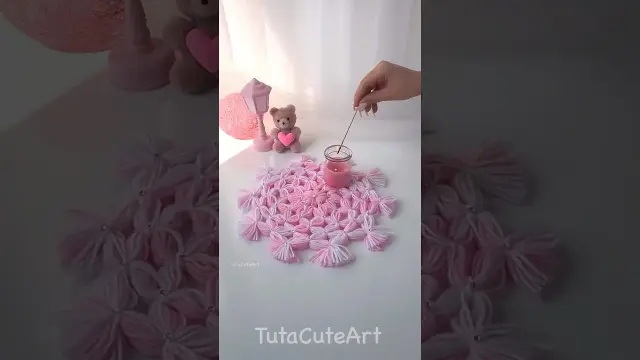
 DIY Cute Yarn Table Decor for a Cozy Home Look
#Home Crafts
2 ideas
DIY Cute Yarn Table Decor for a Cozy Home Look
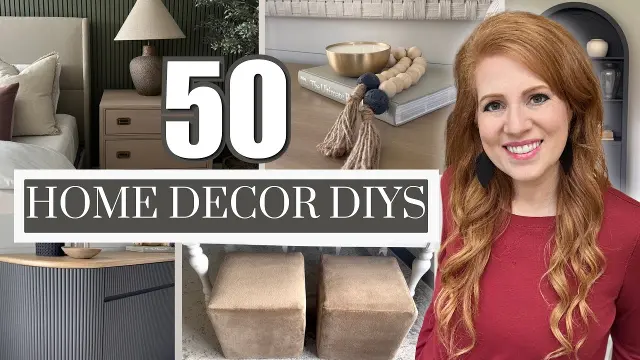 Budget Friendly DIY Home Decor and High End Dupes
Get new #Home Crafts ideas by email
Every Thursday: the week's best ideas, with the newest from #Home Crafts.
Related tags
Home Crafts: A Beginner's Guide to Making Things
Home crafts are the things people make by hand for their own homes: a cushion cover stitched on a quiet evening, a shelf rescued from a skip and repainted, a jar of dried herbs from the garden. The category is deliberately broad. It covers anything made with simple tools and patient hands to serve a household purpose, whether that purpose is practical, decorative or somewhere in between. What ties these projects together is not the material but the scale: home crafts are small enough to finish at a kitchen table, and useful enough to live with afterwards.
Where the tradition comes from
Making and mending for the home is older than the idea of hobbies. Households have always produced what they could not buy, and decorated what they could not replace. Embroidery samplers, patchwork quilts, carved spoons, painted furniture and hand-thrown pots all grew out of that practical necessity, and each one carried local patterns and techniques passed from person to person rather than from a book. When manufactured goods became cheap and plentiful, these skills did not disappear; they shifted from obligation to choice. Today the appeal is partly the opposite of convenience: making something slowly, with your own hands, and knowing exactly how it was done.
The main kinds of home craft
Read more
Most projects fall into a few families, and it helps to recognise which one suits you before buying anything.
- Textiles and needlework: sewing, mending, embroidery, knitting, crochet, quilting and patchwork. Forgiving materials, easy to undo, and a natural entry point for most beginners.
- Paper and card: bookbinding, collage, printing, card making, paper folding. Cheap to try and quick to finish.
- Wood and natural materials: simple shelves, boxes, frames, woven baskets, dried arrangements. Rewarding but best started with small pieces and a few good tools.
- Clay, plaster and wax: small pots, ornaments, candles, casts. Requires a little more setup, usually more space and drying time.
- Upcycling and restoration: repainting furniture, re-covering a stool, turning containers into storage. Often the least expensive route and the most satisfying.
Getting started without wasting money
Beginners usually spend too much too early. Choose one project you actually want in your home, and buy only what that project needs. Borrow or improvise tools before investing in good ones; a few sharp, well-made items will serve you better than a large, cheap set. Work on a surface you can protect, keep your materials tidy and labelled, and read the whole set of instructions before you begin rather than halfway through.
Expect the first attempt to be imperfect, and finish it anyway. Skill arrives through repetition, and a slightly crooked first cushion teaches more than a perfect kit left in its box. Choose materials that suit their use, follow safety guidance on anything involving heat, sharp tools, dust or fumes, and keep adhesives and small pieces away from children and pets.
Above all, make things you will genuinely use. A home filled with handmade objects is not a museum of effort; it is a record of time spent willingly.
#Home Crafts: frequently asked questions
How do I get started with home crafts if I have never made anything before?
Pick a single project you actually want to live with, such as a simple cushion cover or a repainted shelf, and buy only what that one project calls for. Borrow or improvise tools before spending on good ones, and read the instructions all the way through before you cut or glue anything.
What supplies and tools do I really need to begin?
You need very little beyond a protected work surface, a few sharp well-made tools, and materials suited to the job at hand. A small, reliable kit serves beginners better than a large cheap set, and storage that keeps materials tidy and labelled saves endless searching later.
Which kind of home craft should I choose?
It helps to know the main families first: textiles and needlework, paper and card, wood and natural materials, clay and wax, and upcycling or restoration. Textiles are the most forgiving starting point because mistakes can be undone, while paper crafts are quick and cheap to try; wood and clay reward patience but ask for more space, drying time and setup.
How do I look after handmade things so they last?
Choose materials that suit how the object will actually be used, since a decorative piece and a working one need different treatment. Store textiles folded away from damp and direct sun, dust natural materials gently, and repair small damage early rather than waiting for it to spread.
What are the most common beginner mistakes in home crafts?
Spending too much too early is the classic one, usually by buying a big kit for a hobby not yet tested. Starting a project without reading the full instructions, skipping a protective surface, and abandoning a crooked first attempt are the others; finishing something imperfect teaches more than a perfect kit left in its box.
Can I make home decor on a tight budget?
Upcycling and restoration are the least expensive ways in, since repainting a rescued shelf or turning containers into storage costs mostly time. Rescuing materials and borrowing tools keeps costs low, and small decorative projects using yarn, paper or dried garden herbs go a long way for very little.
Videos come from YouTube and posts from Instagram; titles and summaries are our own. All rights belong to their creators.