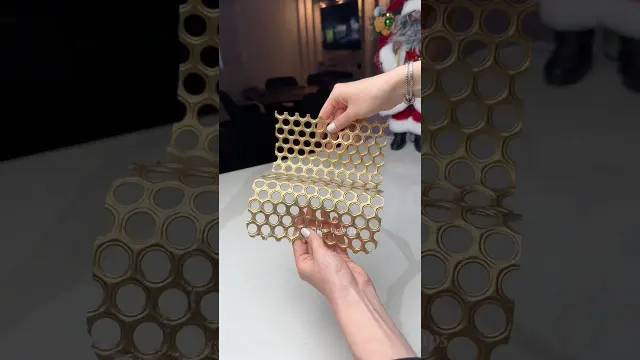
 Creative Dollar Tree Craft Project for Home Decorating
#Home Decor DIY
2 ideas
Creative Dollar Tree Craft Project for Home Decorating
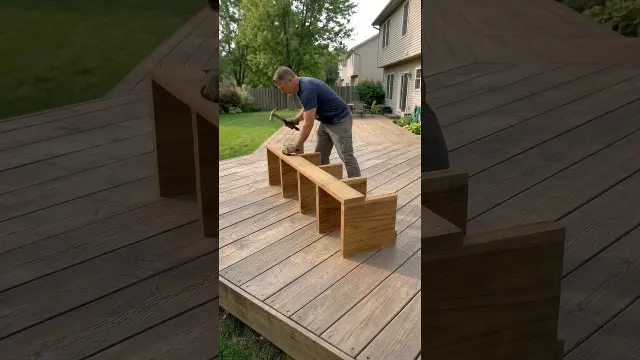 Creative DIY Wooden Corner Shelf Project for Home Decor
Get new #Home Decor DIY ideas by email
Every Thursday: the week's best ideas, with the newest from #Home Decor DIY.
Related tags
Home Decor DIY Ideas and Basics
Home decor DIY means making, updating, or personalising items for your home with your own hands. It can be as simple as painting a frame, sewing a cushion cover, or turning an everyday object into something useful and decorative. People choose DIY home decor to save money, to reuse what they already have, and to create a space that feels more personal.
The idea has been around for a long time. Before mass-produced furnishings were common, many households made practical items themselves and decorated them by hand. Today, DIY home decor still combines usefulness and creativity. It can suit any home style, from simple and modern to rustic, traditional, romantic, or eclectic.
Common kinds of home decor DIY
There are many ways to approach it, and you do not need advanced skills to begin.
Read more
- Wall decor: framed prints, painted canvases, hanging art, mirrors, shelves, or textile pieces
- Soft furnishings: cushion covers, curtains, table runners, and throws
- Decorative storage: baskets, boxes, jars, trays, and organisers
- Small furniture updates: repainting, re-covering, or refreshing legs, handles, or surfaces
- Natural accents: dried flowers, branches, stones, shells, or other found materials
- Seasonal or everyday styling pieces: candle holders, centrepieces, and tabletop arrangements
Materials and techniques
Many home decor projects use basic materials such as wood, fabric, paper, glass, paint, glue, rope, clay, or recycled containers. The best material often depends on where the item will be used. For example, a piece near moisture or heat should be chosen carefully, while a purely decorative object gives you more freedom.
Simple techniques include painting, gluing, stitching, wrapping, decoupage, stencilling, and assembling ready-made parts. If you are new to DIY, start with one technique at a time. A neat finish matters more than a complicated design.
What beginners should know
Start small. A tiny project is easier to finish and teaches you more than an ambitious one that stays incomplete. Choose something useful, because practical pieces are often the most satisfying. Measure carefully before cutting or attaching anything, and test colours or finishes on a small area first if you can.
It also helps to think about the room as a whole. A handmade piece looks better when it matches the scale, colour, and mood of the space. Too many strong patterns or materials in one room can feel busy, so balance handmade items with simple, calm pieces.
Practical tips for better results
- Pick a clear purpose for each project
- Use good lighting while you work
- Prepare surfaces before painting or decorating
- Let glue, paint, or varnish dry fully before using the item
- Keep tools organised so the process feels easier
- Reuse materials when possible, but make sure they are clean and safe to handle
- If an item will be used often, choose durable finishes and sturdy construction
Home decor DIY works best when it feels personal and practical. You do not need everything to match perfectly. A home becomes more interesting when it includes pieces that reflect your taste, your habits, and the way you live.
#Home Decor DIY: frequently asked questions
How do I get started with home decor DIY if I have never made anything before?
Begin with a small, useful project that you can finish in one sitting, such as painting a frame or sewing a simple cushion cover. Stick to a single technique at first so you can learn it properly, and measure carefully before cutting or attaching anything. A tidy, simple result will teach you more than an ambitious project left half done.
What materials and tools do I need for a basic home decor project?
Most beginner projects rely on everyday materials like wood, fabric, paper, glass, paint, glue, rope, or clean recycled containers. What you need depends on where the finished piece will sit, since items near heat or moisture call for sturdier, more durable finishes. Good lighting and a tidy workspace matter as much as the supplies themselves.
Which kinds of home decor DIY are best for someone with limited skills?
Wall pieces, soft furnishings, decorative storage, and small furniture refreshes are all approachable without advanced skills. Repainting a surface, covering a seat, or swapping handles gives a visible change with very little technique required. Natural accents and tabletop styling pieces are also forgiving because they are mostly decorative rather than functional.
How do I make a handmade piece look good in my room rather than out of place?
Think about the room as a whole before you begin, matching the scale, colour, and mood of the space you are decorating. Balance a strong handmade piece with calmer, simpler items so the room does not feel busy. Pieces do not need to match perfectly; they just need to reflect how you actually live.
How should I care for items I have made or upcycled myself?
Let paint, glue, and varnish dry completely before the item goes into use, and prepare surfaces properly beforehand so finishes hold up. For anything handled often, choose durable finishes and sturdy construction from the start. Keep an eye on pieces placed near moisture or heat, since those conditions wear handmade finishes down faster.
What mistakes do beginners usually make with home decor DIY?
The most common slip is starting too big and running out of momentum before the project is finished. Others include skipping surface preparation, cutting before measuring, and testing a colour or finish directly on the final piece instead of a small hidden area. Adding too many strong patterns or materials to one room is another easy way to make a space feel cluttered.
Videos come from YouTube and posts from Instagram; titles and summaries are our own. All rights belong to their creators.