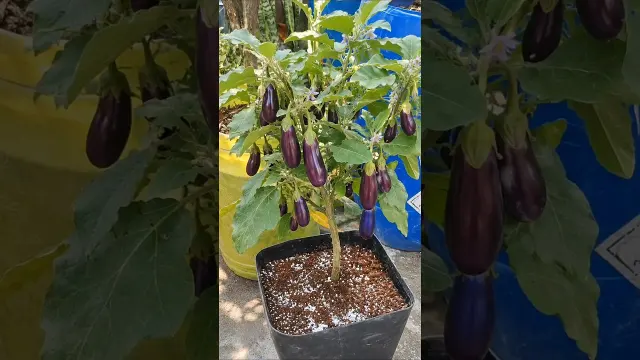
 Caring for Eggplant Plants with Potash and Mustard Cake Fertilizer
#Home Garden
1 ideas
Caring for Eggplant Plants with Potash and Mustard Cake Fertilizer
Get new #Home Garden ideas by email
Every Thursday: the week's best ideas, with the newest from #Home Garden.
Related tags
Home Garden: Growing a Little Green in Your Own Space
A home garden is the green you tend where you live — a balcony, a windowsill, a back step, a shared courtyard, or a strip of ground behind the kitchen. It can be a handful of herb pots or a set of vegetable beds. Growing plants close to the house is an old habit: households have long kept a few useful or beautiful things near the door, from cottage flowers to kitchen herbs. What makes it a home garden is less about size than intention. You decide what grows there, and you look after it.
What people grow
Home gardens usually fall into a few loose kinds. There are edible gardens, grown for leaves, roots, fruit, and herbs. There are ornamental gardens, kept for colour, scent, and shape. Many people mix the two, tucking herbs among flowers or growing a climbing plant up a wall. Then there is the setting: containers on a balcony, raised beds over poor ground, a windowsill of small pots, or a traditional bed dug into the soil. None of these is more correct than another. The right one is whatever fits the space and time you actually have.
Start with light and space
Read more
Before you buy a single plant, watch your space for a few days. Notice where the sun falls and for how long, where rain collects, and where wind is strong. Most herbs and vegetables want a sunny spot, while many leafy plants and ferns cope with less. Measure roughly how much room you have, then choose plants that will still fit when they are fully grown. A small, well-chosen garden is far easier to keep than an overcrowded one.
Soil and containers
Plants live or die by their roots, so give them something good to grow in. In the ground, improve the soil with compost and keep it loose. In pots, use a potting mix rather than soil dug from the garden, because it holds water and air better in a confined space. Whatever you choose, drainage matters: containers need holes at the bottom, and beds should not turn into ponds after rain. A layer of mulch on top helps keep moisture in and weeds down.
Watering and everyday care
Water deeply and less often rather than giving a light sprinkle every day; you want roots to reach down. Check the soil with your finger before watering, and water in the morning when you can. Pots dry out much faster than beds, especially in heat or wind. Feed plants modestly, watch for pests by looking closely at leaves, and remove anything damaged or diseased. Encouraging birds and insects into the garden does much of the work for you.
A garden that keeps going
Begin with a few things you like to eat or look at, and let the garden teach you. Keep simple notes on what grew well and what struggled. Learn the rhythm of your seasons, accept that some plants will fail, and replant without fuss. A home garden is not a project you finish; it is a small, patient practice that rewards attention more than effort.
Videos come from YouTube and posts from Instagram; titles and summaries are our own. All rights belong to their creators.