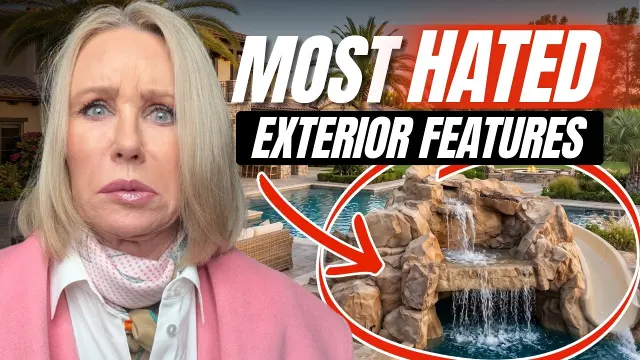
 Outdoor Features Buyers Dislike and How They Cost You
#Home Value
1 ideas
Outdoor Features Buyers Dislike and How They Cost You
Get new #Home Value ideas by email
Every Thursday: the week's best ideas, with the newest from #Home Value.
Related tags
Home Value: What It Means and How to Protect It
Home value is simply what a property is worth in the eyes of the people who might buy it, rent it or lend against it. It is not one fixed number. An appraiser arrives at one figure using comparisons with similar homes nearby, a buyer decides what the place is worth to them personally, and the local market nudges both. Understanding those three views helps you make calmer decisions about improving, keeping or selling a home.
What Actually Drives Value
Location remains the strongest single factor, and it is the one thing an owner cannot change: how close the home sits to everyday necessities, schools, transport, quiet streets and green space all feed into it. Beyond that, value rests on condition, size and layout, and how well the house serves the way people actually live.
Layout matters more than many owners expect. Bright, open living areas, sensible storage and a floor plan that does not waste space tend to hold their appeal, while awkward additions and rooms that only work for one narrow purpose can shrink the pool of interested buyers.
Read more
Features Buyers Reward
- A sound roof, working heating and dry walls: buyers pay for certainty and discount for worry.
- Practical outdoor space that is easy to maintain, whether a modest garden, a terrace or a balcony.
- Storage: cupboards, a loft, a shed, somewhere to put the things daily life accumulates.
- Parking or easy access to transport, depending on the setting.
- Neutral, well-kept interiors that let people imagine their own furniture in the rooms.
Features That Can Cost You
High-maintenance extras often sound better in the brochure than they feel in practice. A large pond, an elaborate water feature, an oversized deck that needs refinishing, or a pool in a climate where it sits unused for most of the year can read as work rather than pleasure. The same goes for very personal choices: bold colours, unusual fixtures, converted garages that lost their parking, or a hot tub taking up the whole garden. None of these is a mistake if you enjoy them; it is worth knowing that a future buyer may price the effort of undoing them into their offer.
What Beginners Should Know
Value is built slowly and lost quickly. Small, consistent upkeep protects more than a single dramatic renovation: fixing leaks early, repainting tired surfaces, keeping gutters clear, tending the garden. Keep records of work done and any guarantees, because documented maintenance reassures buyers and professionals alike. Before investing in a big project, ask whether it will make the home easier to live in and easier to sell, and consider the simplest version of the improvement rather than the most elaborate one.
Finally, treat estimates with care. Online calculators and neighbourly guesses are starting points, not verdicts. A local professional who knows the street can tell you what comparable homes actually achieved and why. Whether you plan to stay for decades or move within a few years, a well-cared-for, unfussy home is the one that keeps its worth.
#Home Value: frequently asked questions
What does home value actually mean?
It is what a property is worth to the different people who have a stake in it: a professional assessing it against similar nearby homes, a buyer weighing how it suits their own life, and the local market setting the general mood. Those views rarely match exactly, so treat any single figure as a point of view rather than a verdict. Understanding that helps you decide calmly whether to improve, stay or sell.
Where should a beginner start with a home's value?
Start with the unglamorous upkeep: stopping small leaks before they spread, refreshing tired paint, clearing gutters and keeping the garden tidy. Value tends to build gradually through steady care and can slip quickly through neglect, so routine attention protects more than one ambitious project. Keep receipts and guarantees for any work done, since documented upkeep reassures both buyers and the professionals who advise them.
Which features are worth prioritising when improving a home?
Favour the things that make daily life easier and that most buyers would want: a sound roof, reliable heating and dry walls, sensible storage, easy-to-maintain outdoor space and a layout that does not waste floor area. Neutral, well-kept interiors let people picture their own furniture in the rooms. When planning a project, choose the simplest version that solves the problem rather than the most elaborate one.
How do personal touches like bold colours or an unused pool affect what a home is worth?
They are not mistakes if you enjoy them, but be aware that a future buyer may mentally subtract the effort of undoing them. Elaborate water features, oversized decks that need refinishing, a pool idle for much of the year, or converted garages that lost their parking often read as work rather than pleasure. Personal styling narrows the pool of interested people, so weigh your own enjoyment against that.
What common mistakes should I avoid?
One is chasing a single dramatic renovation while the basics quietly deteriorate, and another is assuming an online calculator or a neighbour's guess settles the question. Very personal design choices can also cost more than they return. A local professional who knows the street can explain what comparable homes actually achieved and why, which is far more useful than a rough estimate.
Does a home's value stay put over time?
No — it shifts with the condition of the property and with how the surrounding area changes, which is why location weighs so heavily and is the part an owner cannot alter. Keeping up with maintenance and avoiding fussy, high-effort features helps a home hold its appeal through those shifts. A well-cared-for, unfussy home is generally the one that keeps its worth.
Videos come from YouTube and posts from Instagram; titles and summaries are our own. All rights belong to their creators.