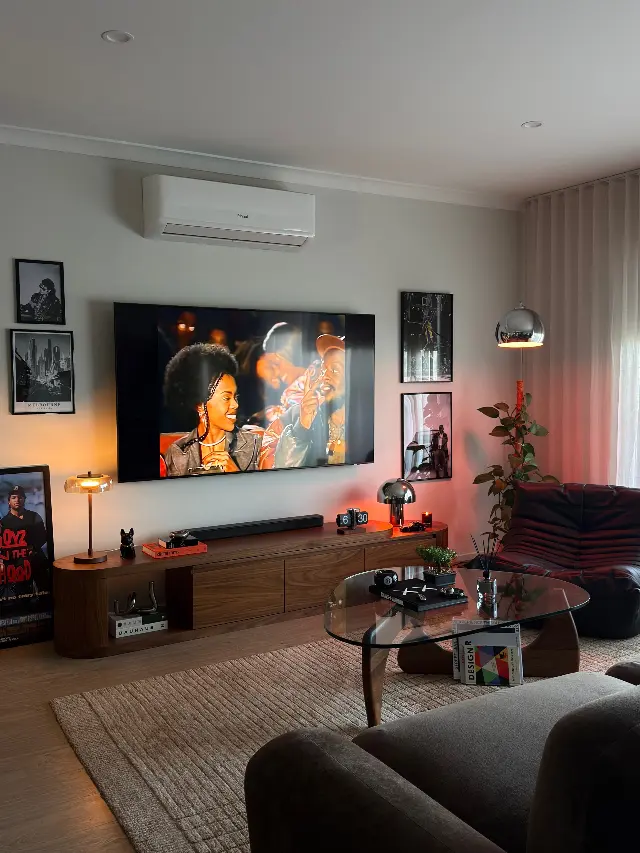
 Cozy home mood for slow evenings and later sunsets
#Homebody
1 ideas
Cozy home mood for slow evenings and later sunsets
Get new #Homebody ideas by email
Every Thursday: the week's best ideas, with the newest from #Homebody.
Related tags
Homebody: The Quiet Art of Staying In
A homebody is someone who finds genuine pleasure in being at home. Not someone who avoids the world out of fear or fatigue, but someone who treats the house as the main stage rather than the place between engagements. The word itself is old and plain, built from two ordinary English words, and it has always carried a faint twinge of mild teasing — the homebody as the one who declines the invitation, the one who leaves the party early. In recent years that tone has softened. Staying in has become a deliberate pleasure rather than an apology, and the hashtag gathers people who plan their evenings around it.
Why home matters
Home is the one environment you control entirely. Light, temperature, smell, sound, the placement of a chair — all of it is yours to decide. That control is restful in a way that few other things are, because it asks nothing of you. A well-set home also does quiet practical work: it supports sleep, cooking, reading, mending, thinking, and the kind of long unhurried conversation that rarely happens anywhere else.
The main styles of staying in
Read more
There is no single way to be a homebody, and the hashtag holds several.
- The nesting kind, built around softness: blankets, cushions, low lamps, warm drinks, a sofa that has a permanent shape.
- The making kind, where the home is a workshop — baking, sewing, potting plants, repairing things rather than replacing them.
- The hosting kind, where staying in means inviting two or three people over instead of going out.
- The solitary kind, an evening alone with a book, a bath, a long album, or simply silence.
Most people move between these depending on the day and the season.
Beginning gently
You do not need to renovate anything to make home feel better. Start with light: a lamp in the corner of a room that only has an overhead fixture changes the whole mood of an evening. Then consider the surfaces you actually touch — the chair you read in, the spot where you put down a cup, the corner where things pile up. Giving each of those a proper place removes a hundred small frictions a day.
Decluttering helps, but it is easy to turn into a project that never ends. A gentler rule is to clear one surface completely and let that one be the standard.
Practical notes
- Keep a basket or drawer near the door for the things that arrive with you; it stops the drift of clutter.
- Warm light, softer textiles and a little scent do more for atmosphere than new furniture.
- Have something ready for slow evenings — a book, a puzzle, a recipe you have been meaning to try — so staying in does not collapse into scrolling.
- Protect the boundary: tell people when your evening is spoken for, and mean it.
- Let some evenings be empty. Not every night at home needs to be curated.
Being a homebody is not a retreat from life. It is a decision about where life gets to be lived most comfortably.
#Homebody: frequently asked questions
How do I start being more of a homebody if I'm used to going out all the time?
Begin with the evenings you already have at home rather than trying to change your whole routine. Pick one small thing that makes staying in feel better, like swapping an overhead light for a warm lamp in the corner, and build from there. The point is to make home the place you actually want to be, not to force yourself indoors.
What do I actually need to make my home feel cozy?
Very little that is new: warm light, softer textiles and a pleasant scent do more for the atmosphere than another piece of furniture. Give the surfaces you use every day a proper place, so the chair you read in and the spot where you set down a cup stop creating small daily friction. A basket by the door for what arrives with you prevents clutter from drifting through the rooms.
Which kind of homebody should I choose?
There is no single style, so pick whatever suits your energy on a given day. The nesting kind is built on blankets, low lamps and warm drinks; the making kind turns the house into a workshop for baking, sewing or repairing; the hosting kind invites two or three people over instead of going out; and the solitary kind is an evening alone with a book or a long album. Most people drift between them with the seasons.
How do I keep a slow evening at home from turning into endless scrolling?
Have something ready before the evening starts, such as a book, a puzzle, or a recipe you have been meaning to try, so the default is an activity rather than a screen. It also helps to let some nights be completely empty, because not every evening at home needs to be planned or curated. Protecting the boundary matters too: tell people clearly when your evening is spoken for.
What are the common mistakes people make when trying to make home cozier?
Two stand out: treating decluttering as a project that never ends, and buying furniture when lighting and textiles would have done the job. A gentler approach is to clear one surface completely and let that single surface set the standard for the rest. Trying to fill every night with a curated activity is another trap, since rest is part of the point.
Can hosting at home be part of being a homebody?
Yes, for many people hosting is the version of staying in that fits them best. Inviting two or three people over instead of going out keeps you in the environment you control, where the light, the temperature and the seating are all your decisions. It also opens the door to the long unhurried conversation that rarely happens anywhere else.
Videos come from YouTube and posts from Instagram; titles and summaries are our own. All rights belong to their creators.