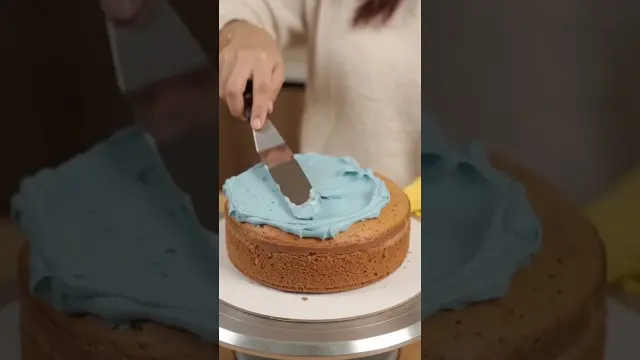
 Baking and Decorating a Pastel Blue Cake
#Homemade Cake
2 ideas
Baking and Decorating a Pastel Blue Cake
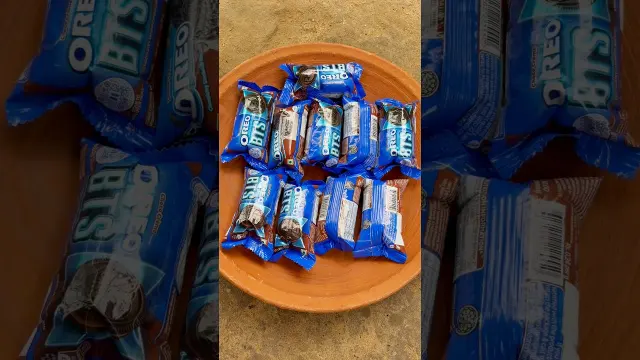 Simple No-Bake Oreo Biscuit Cake Recipe
Get new #Homemade Cake ideas by email
Every Thursday: the week's best ideas, with the newest from #Homemade Cake.
Related tags
Homemade Cake Guide
Homemade cake is one of the simplest and most rewarding kinds of baking. At its heart, it is a sweet batter or mixture baked until it becomes soft, tender, and sliceable. People have made cakes at home for generations, using familiar ingredients such as flour, sugar, eggs, fat, and a raising agent or beaten air to create a light crumb. It can be as plain or as decorative as you like, which is part of its charm.
What makes a homemade cake
A homemade cake is usually baked in a kitchen rather than bought ready-made, and that gives you more control over flavour, texture, and appearance. Some cakes are rich and buttery, while others are light and airy. Some are simple enough to serve with tea, while others are layered and covered with icing for birthdays and celebrations. What they all share is a comforting, made-from-scratch quality.
Common types and styles
Read more
There are many familiar cake styles. Sponge cakes rely on whisked eggs for lift and have a soft, airy texture. Butter cakes are more tender and slightly denser, with a rich flavour. Loaf cakes are practical and easy to slice, often made with fruit, citrus, or spices. Layer cakes are stacked with filling or frosting between each layer, while sheet cakes are baked in a single pan and are easy to serve a crowd.
You may also come across cakes that are frosted, glazed, filled, or left plain. Some are baked with fruit, nuts, chocolate, or warm spices. Others are decorated simply with powdered sugar or a thin icing. A homemade cake does not need to be elaborate to feel special.
Basic techniques for success
If you are new to cake baking, start by following the recipe closely. Measuring ingredients carefully helps the texture turn out well. For many cakes, it helps to bring ingredients to room temperature so they mix more evenly. Avoid overmixing once the flour is added, because that can make the cake heavy or tough.
Preheating the oven is important, as is preparing the tin properly so the cake releases easily. When baking, try not to open the oven too often, since this can affect the rise. A cake is usually done when it looks set, springs back lightly when touched, and a skewer comes out clean or with just a few crumbs.
Filling, frosting, and decorating
Once a cake has cooled, you can keep it simple or add decoration. Buttercream, whipped cream, glazes, jam, fresh fruit, or a dusting of sugar are all common choices. If you want a neat finish, level the cake only after it is completely cool. For a more rustic look, a rough layer of icing can be just as appealing.
Helpful tips for beginners
Begin with a straightforward recipe and a pan size that matches the instructions. Read the method before you start, so you know what to do at each stage. Let the cake cool fully before slicing or decorating, or it may break apart. If a cake turns out slightly imperfect, that is part of homemade baking too. With practice, you will learn how different batters behave and how to adjust for your own kitchen.
A homemade cake is less about perfection than about care, flavour, and the pleasure of making something yourself.
Videos come from YouTube and posts from Instagram; titles and summaries are our own. All rights belong to their creators.