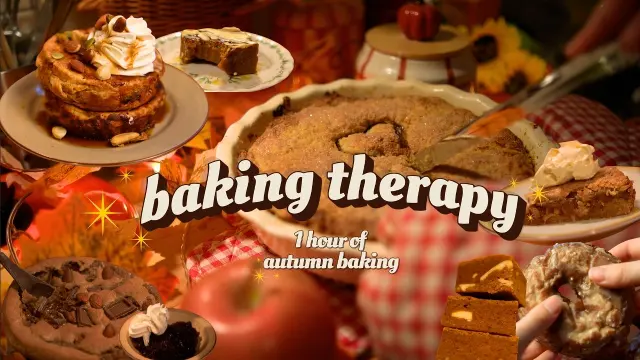
 One Hour of Cosy Autumn Baking and Pastries
#Homemade Desserts
1 ideas
One Hour of Cosy Autumn Baking and Pastries
Get new #Homemade Desserts ideas by email
Every Thursday: the week's best ideas, with the newest from #Homemade Desserts.
Related tags
Homemade Desserts
Homemade desserts are sweet dishes made in your own kitchen, usually from everyday ingredients and simple techniques. They can be as plain or as elaborate as you like, from a bowl of stewed fruit to a layered cake or a chilled pudding. For many people, making dessert at home is part of family cooking, celebration, and everyday comfort.
What homemade desserts include
The category is very broad. It covers baked, chilled, frozen, and stovetop sweets, as well as no-bake treats. Some of the most familiar kinds are cakes, cookies, tarts, pies, crumbles, custards, puddings, mousses, ice creams, and fruit desserts. In many homes, dessert is also the place for recipes that use what is already in the cupboard or whatever fruit is in season.
Homemade desserts are often associated with baking, but not all of them require an oven. Some are assembled in layers, some are thickened on the stove, and some simply need time to set in the fridge. That makes the topic especially welcoming for beginners.
Read more
Why people make desserts at home
Making dessert yourself gives you control over flavour, texture, and sweetness. You can choose simple ingredients, adjust portions, and adapt recipes to suit the occasion. A homemade dessert can be casual and everyday, or it can become the centrepiece of a meal.
It also encourages useful kitchen skills. Measuring, mixing, folding, whipping, and baking are all common techniques that become easier with practice. Even when a dessert does not turn out perfectly, it often still tastes good and teaches you something for next time.
Common styles and techniques
Some desserts are rich and soft, others light and airy. You might work with:
- Batters and doughs for cakes, biscuits, pies, and tarts
- Creams and custards for fillings, puddings, and trifles
- Fruit cooking for compotes, pies, crumbles, and sauces
- Chilling and setting for cheesecakes, mousses, and no-bake slices
A few basic techniques are especially useful. Good mixing helps create even texture. Careful baking prevents dryness. Cooling properly matters because many desserts firm up as they stand. For layered desserts, patience is important so the layers stay neat and the flavours have time to settle.
Tips for beginners
If you are new to homemade desserts, start with recipes that use a short ingredient list and familiar methods. Simple fruit crumbles, tray bakes, muffins, cookies, and puddings are good choices because they are forgiving and easy to understand.
A few habits make dessert-making easier:
- Read the whole recipe before you begin
- Measure ingredients carefully
- Prepare tins, dishes, and utensils first
- Let hot desserts cool before serving unless the recipe says otherwise
- Taste as you go when you are making fillings, sauces, or toppings
Serving and storing
Homemade desserts are often at their best when served fresh, but many keep well for a day or two if stored properly. Some are best covered at room temperature, while others need the fridge. Fruit desserts may be served warm with cream, custard, yoghurt, or ice cream, depending on the recipe and the occasion.
If you are making dessert for guests, think about balance. A very rich cake can be lovely after a light meal, while a fruit-based dessert may feel fresher and easier to finish. Above all, homemade desserts are meant to be enjoyed: simple, generous, and shared.
Videos come from YouTube and posts from Instagram; titles and summaries are our own. All rights belong to their creators.