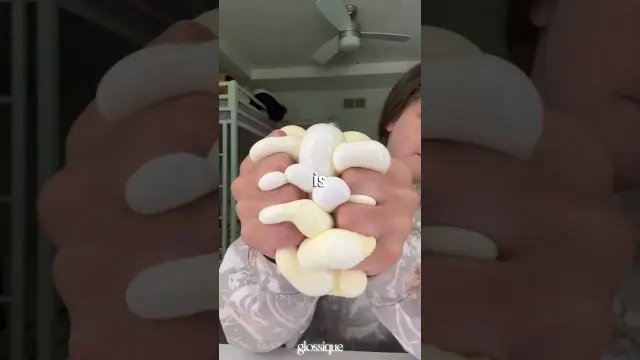
 How To Make A Squishy From Scratch At Home
#Homemade
4 ideas
How To Make A Squishy From Scratch At Home
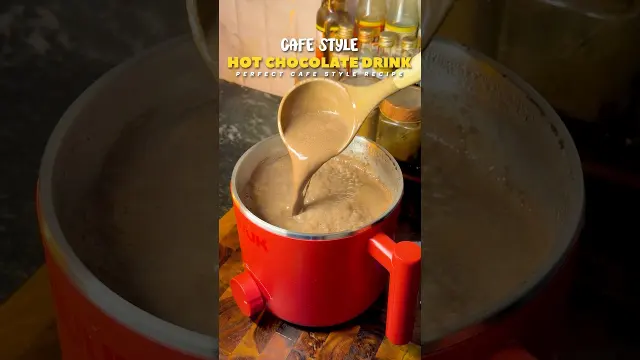 Rich And Creamy Cafe Style Hot Chocolate Drink
Get new #Homemade ideas by email
Every Thursday: the week's best ideas, with the newest from #Homemade.
Related tags
Homemade: Making Things by Hand at Home
Homemade means made by hand at home rather than bought ready-made. It can refer to food, gifts, beauty items, cleaning products, decorations, or small practical objects you create yourself. The appeal is simple: homemade things often feel more personal, more flexible, and more connected to the person who made them.
What homemade is about
At its heart, homemade is a broad idea, not a single craft. It includes baking bread, simmering jam, knitting a scarf, mixing a bath soak, sewing a cushion cover, or building a simple storage box from materials you already have. Some homemade projects are traditional skills passed down through families; others are simple weekend tasks learned from books, friends, or trial and error.
People often choose homemade because they want to save money, reduce waste, customize something to their taste, or enjoy the process of making. For many, it is also a way to slow down and make everyday life feel more thoughtful.
Read more
Common kinds of homemade projects
Homemade projects usually fall into a few familiar groups:
- Food and drinks: baking, preserves, sauces, pickles, snacks, and infused drinks
- Home and cleaning: candles, simple décor, storage solutions, cleaners, and sachets
- Beauty and self-care: bath soaks, scrubs, hair masks, and lip balms
- Gifts and crafts: cards, ornaments, sewn items, knitted pieces, and paper crafts
- Family and seasonal projects: party decorations, school projects, and keepsakes
Each type has its own rhythm, but they all share the same basic idea: making something useful or meaningful with your own hands.
Techniques and materials
The techniques you use depend on the project. Homemade food may involve mixing, kneading, simmering, or setting. Crafts may call for cutting, folding, gluing, stitching, painting, or assembling. Some projects need only a bowl and a spoon; others need more patience and a few basic tools.
If you are just starting out, it helps to begin with simple projects that have few ingredients and clear steps. Choose recipes or instructions that are easy to follow, and work with materials you already understand. Keep your workspace tidy, measure carefully, and read the full method before you begin.
Practical tips for beginners
- Start small so you can learn without feeling overwhelmed.
- Use good-quality basic ingredients or materials, even if the project itself is simple.
- Keep notes on what worked, especially for food or repeat projects.
- Label homemade items clearly, particularly if they are for storage, gifting, or sharing.
- Be patient with practice; many homemade skills improve over time.
- Clean and store materials properly so they stay safe and usable.
What to keep in mind
Homemade does not always mean perfect, and that is part of its charm. Small differences in shape, color, texture, or finish are often what make a homemade item feel special. If you are making food or products that will be used on the skin, stay cautious, follow reliable instructions, and avoid anything that causes irritation. For most homemade projects, the goal is not flawlessness but usefulness, comfort, and personal expression.
Whether you are making something practical, decorative, or simply thoughtful, homemade work invites you to slow down and create with care.
Videos come from YouTube and posts from Instagram; titles and summaries are our own. All rights belong to their creators.