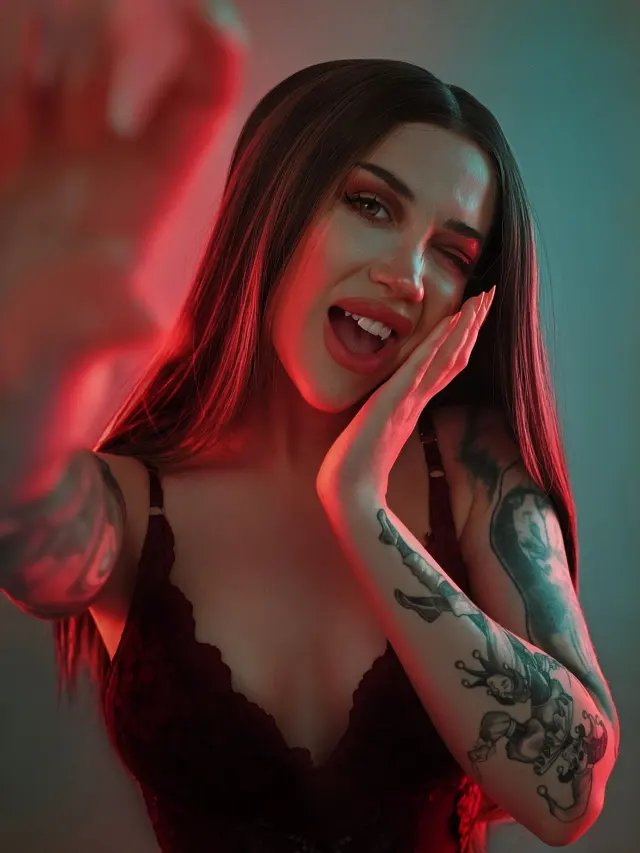
 Vampire inspired horror movie makeup look with matching collar detail
#Horror Inspired
1 ideas
Vampire inspired horror movie makeup look with matching collar detail
Get new #Horror Inspired ideas by email
Every Thursday: the week's best ideas, with the newest from #Horror Inspired.
Related tags
Horror-Inspired Style: Makeup, Mood and Character
Horror-inspired style takes the visual language of the genre — monsters, ghosts, the uncanny, the things half-seen in the dark — and translates it into something you can wear, paint or photograph. It is less about gore for its own sake than about atmosphere: a suggestion of something wrong, done with skill and a certain amount of humour.
Where it comes from
The tradition runs through folklore first and cinema second. Vampires, witches, revenants and shape-shifters belong to centuries of storytelling across cultures, and stage and film makeup turned those figures into a shared visual shorthand: the pale complexion, the shadowed eye, the blood at the mouth. Modern creators borrow from that vocabulary and from gothic fiction, costume drama and vintage photography, which is why a horror look often feels both new and oddly familiar.
The main approaches
Read more
Broadly, three directions. Character makeup builds a specific figure — a vampire, a wounded ghost, a creature with horns — and rewards attention to a clear story. Mood or glamour horror keeps the face attractive but unsettling: bruised tones, wet-looking skin, a run of dark liner that reaches further than it should. Then there is the constructed side, where prosthetics, scar wax, liquid latex and cotton build changed shapes, wounds or a different silhouette.
Many people also work without any of that: heavy contour in unusual places, contact lenses, false lashes, a collar, a single unsettling detail. The genre is generous that way — suggestion often lands harder than spectacle.
What beginners should know
Start with a clear idea of who the character is, because every choice follows from that. Photograph the finished face rather than the mirror; camera and eye see very differently. Test unfamiliar products on a small patch of skin first, avoid the immediate eye area with anything not made for it, and never use craft materials on the skin unless they are intended for it. Keep the makeup off broken skin, and leave plenty of time for removal.
Take a close, clear reference photo before you begin and save it — many looks are easier to rebuild than they are to remember.
Practical notes
- Work in thin layers; thick product creases and slides.
- Set cream colours with powder to make them survive a long evening.
- Keep blood away from the eyes and mouth, and check that colours suit a lens if you wear one.
- Finish with a setting spray, and carry a small repair kit: powder, cotton buds, remover.
- Clean brushes properly and throw away anything contaminated.
- Remove everything before sleeping, gently and completely.
A word on care
Horror plays with discomfort, and that is the point, but the person wearing it should be comfortable. Choose imagery you can explain and stand behind, and be mindful that some images carry real weight for people who have lost someone or lived through violence. Scary should feel like play, not like a test of nerve — for you or for whoever is in the room.
#Horror Inspired: frequently asked questions
Is horror-inspired style appropriate for costumes and family occasions?
It can be, as long as the person wearing it is comfortable and the people around them are too. Horror plays with discomfort by design, but scary should feel like play rather than a test of nerve, so choose imagery you can explain and stand behind. Keep in mind that some images carry real weight for people who have lost someone or lived through violence.
Videos come from YouTube and posts from Instagram; titles and summaries are our own. All rights belong to their creators.