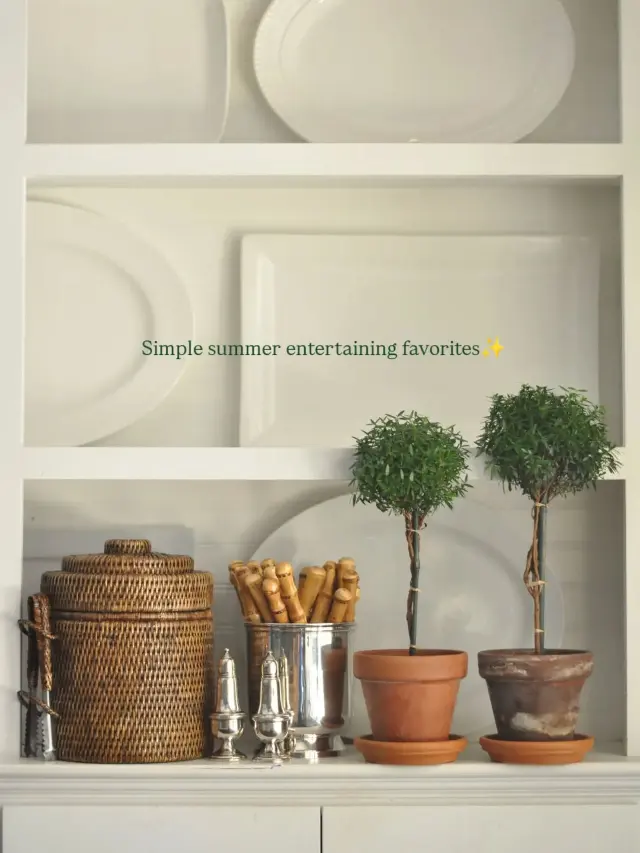
 Simple tableware pieces for summer gatherings
#Hosting Ideas
1 ideas
Simple tableware pieces for summer gatherings
Get new #Hosting Ideas ideas by email
Every Thursday: the week's best ideas, with the newest from #Hosting Ideas.
Related tags
Hosting Ideas: A Guide to Welcoming Guests
Hosting is the practice of inviting people into your home and looking after them while they are there. It is one of the oldest forms of hospitality, and it does not depend on a large house, expensive equipment or elaborate cooking. What it depends on is a little planning and a willingness to make guests comfortable. The best hosts are rarely the ones with the most impressive table. They are the ones whose guests relax.
Start with the occasion and the people
Before choosing anything else, decide what kind of gathering this is. A long lunch with family, an evening of drinks, a birthday, a casual supper after work — each has its own rhythm. Think about how many people you can genuinely seat and feed, and how much time you want to spend with them rather than in the kitchen. A smaller table that you can actually join is almost always better than a large one that keeps you running.
It also helps to know your guests: who does not eat meat, who avoids alcohol, who is bringing children, who needs to leave early. A quick question beforehand saves awkwardness later and is a kindness, not an imposition.
Read more
The menu
The most reliable menus are the ones you have cooked before. Familiar dishes let you judge timing and quantities, and they free your attention for the people in the room. Choose food that can be prepared largely in advance and served at room temperature — a slow-cooked dish, a grain salad, bread, something pickled or sharp to balance it. A single dessert, simple and generous, is enough.
Plan for a little more than you think you need, and keep something easy in reserve in case someone arrives hungry or a dish goes wrong. Serve water from the start, and have a non-alcoholic option that is as considered as the wine.
Setting the table
A table does not need a theme. Clean linen, enough light to see faces, and a candle or two are usually sufficient. Mixed plates and mismatched glassware can look charming rather than careless when they share a colour or a mood. Leave space between settings so people are not crowded, and put the food within reach so guests can help themselves.
Consider where people will put their coats and bags, and whether there is a clear path to the bathroom with soap and a towel ready. These small practicalities shape how at ease people feel far more than the centrepiece does.
During and after
Greet people at the door, take their coats, offer them something to drink within the first minute. Introduce guests who do not know each other by giving them something to talk about, not just a name. Do not apologise for the state of the house; most people genuinely do not notice.
Accept help when it is offered, and let the evening end when it naturally winds down. Afterwards, a short message thanking people for coming is a warm touch. Hosting is a habit rather than a talent: each gathering teaches you something about how you like to do it, and the next one becomes easier.
#Hosting Ideas: frequently asked questions
How do I start hosting if I've never done it before?
Begin with a small, low-pressure gathering — a casual supper or drinks — so the occasion feels manageable rather than like a performance. Pick dishes you already cook well, keep the guest list to people you can comfortably seat, and remind yourself that the point is company rather than a flawless table. Hosting is a habit that improves with repetition, so each gathering teaches you something to carry into the next.
How many people should I invite?
Invite only as many as you can genuinely seat and feed, and leave room for yourself to actually sit with them. A modest table you can join makes for a far better evening than a crowded one that keeps you trapped in the kitchen. If you are unsure, err on the side of fewer guests and more time with each of them.
How should I choose what to cook?
Rely on dishes you have made before, since familiarity lets you judge timing and portions without guesswork. Favour food that can be mostly prepared ahead and served at room temperature, such as a slow-cooked dish with bread, something sharp or pickled alongside, and a simple dessert. Keep an easy extra on hand in case someone arrives hungry or a dish misbehaves.
How can I set a nice table without buying special things?
Clean linen, light that lets people see each other's faces, and a candle or two go a long way; a theme is not required. Mismatched plates and glasses read as charming rather than careless when they share a colour or mood. Leave breathing room between settings and place food within reach so guests can serve themselves.
How do I look after guests who have different dietary needs?
Ask a quick question before the gathering about who avoids meat, alcohol, or certain foods, and whether children are coming — most people appreciate being asked rather than being put in an awkward spot at the table. Build the menu so at least one substantial dish suits everyone without drawing attention to anyone's plate. Offer a non-alcoholic option that is as thoughtfully chosen as the wine.
What are the most common mistakes hosts make?
Trying to do too much at once — an oversized guest list, an unfamiliar recipe, an elaborate table — usually leaves the host exhausted and absent from the conversation. Apologising for the state of the house is another unnecessary habit, since most guests simply do not notice. Forgetting the practical details, like somewhere to put coats or a clear path to a stocked bathroom, is what actually affects how at ease people feel.
Videos come from YouTube and posts from Instagram; titles and summaries are our own. All rights belong to their creators.