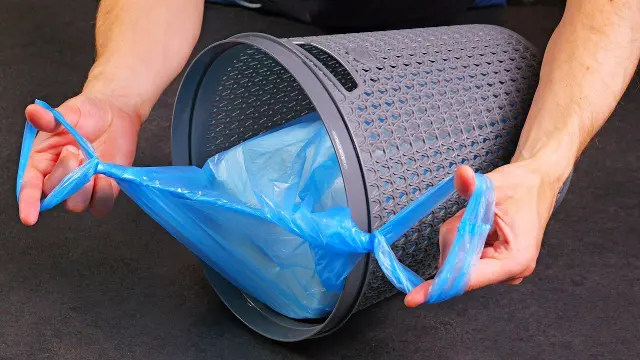
 37 Quick And Ingenious Kitchen Hacks For Daily Life
#Household Solutions
1 ideas
37 Quick And Ingenious Kitchen Hacks For Daily Life
Get new #Household Solutions ideas by email
Every Thursday: the week's best ideas, with the newest from #Household Solutions.
Related tags
Household Solutions: Simple Answers for Everyday Problems
Every home collects small problems. A stain that will not lift, a drawer that never closes properly, a smell that lingers in the fridge, a shelf that sags under too much weight. Household solutions are simply the accumulated know-how for dealing with these everyday frictions, passed down through families and shared between neighbours long before anyone thought to write them down.
What the term covers
A household solution is any practical, repeatable method for making daily life at home easier, cheaper or more pleasant. It is not a single subject but a wide family of them: cleaning, laundry, storage, small repairs, pest prevention, kitchen efficiency, and the quiet maintenance that keeps a house running. What unites them is a preference for simple means over complicated ones — the right technique, applied in the right order, often with something already sitting in your cupboard.
A few principles worth knowing
Read more
Most household problems respond better to patience than to force. A stain left to soak lifts more easily than one scrubbed hard. A blocked drain usually clears with hot water and a plunger before anything stronger is needed. Before buying a specialist product, ask what the problem actually is; the answer often points to a method you already have.
- Deal with spills and marks while they are fresh whenever you can. Fresh stains are far more forgiving than set ones.
- Test any cleaning mixture on a hidden patch first, especially on fabric, stone, wood and painted surfaces.
- Work from the gentlest method upward. You cannot undo damage from an overly harsh approach.
- Keep cleaning cloths, sponges and brushes clean themselves, and dry them properly between uses.
- Ventilate the room when using any cleaning product, and never mix different products together — some combinations produce dangerous fumes.
- Label homemade mixtures with what they contain and when they were made.
Cleaning with ordinary ingredients
Many traditional solutions rely on a small set of familiar items: white vinegar, bicarbonate of soda, lemon juice, salt, mild soap and warm water. Used sensibly, they handle a great deal of everyday cleaning. Vinegar is useful for limescale and glass; bicarbonate of soda gently scours and deodorises; lemon juice cuts through grease and leaves a fresh scent. None of them is a universal remedy, and some surfaces — natural stone, certain metals, some delicate fabrics — dislike acids or abrasives. When in doubt, use less.
Organising and small repairs
Storage problems are usually decision problems in disguise. Clearing out before buying containers, and grouping things by how often you use them, solves more than any shelving system. For repairs, learn a handful of basic skills: tightening a loose hinge, replacing a washer, filling a small hole, sewing on a button. These small competencies save time and money, and they build confidence for the next thing that breaks.
For beginners
Start with one room, or even one cupboard. Notice what annoys you repeatedly, and solve that first. Keep a small kit of essentials together so you are not hunting for them. And accept that a household is never finished — the point is not perfection but a home that works with you rather than against you.
#Household Solutions: frequently asked questions
What exactly counts as a household solution?
It is any practical, repeatable way of making everyday home life easier — cleaning, laundry, storage, small repairs, pest prevention, kitchen shortcuts, and the routine upkeep that keeps a house running. What ties them together is a preference for simple means over complicated ones, usually with something you already own. So a method you were taught by a relative counts just as much as a technique you picked up online.
How do I start if I have never really done this kind of thing?
Pick one room, or even one drawer, and pay attention to what irritates you again and again — then fix that specific thing rather than trying to overhaul the whole house. Put together a small kit of basics and keep it in one place so you are not searching for it when something spills. Expect the work to be continuous rather than something you finish once and forget.
Which everyday ingredients are worth keeping on hand, and where should I be careful with them?
White vinegar, bicarbonate of soda, lemon juice, salt, mild soap and warm water cover a surprising amount of ordinary cleaning: vinegar for limescale and glass, bicarbonate for gentle scouring and deodorising, lemon for grease and freshness. None of them is universal, though — acids and abrasives can dull natural stone, some metals and delicate fabrics, so test on a hidden spot first. Always ventilate, and never combine different products, since some mixtures give off dangerous fumes.
Should I buy storage containers or just declutter first?
Clear out first. Most storage problems are really decisions put off, so sorting and grouping things by how often you actually use them solves more than any shelving system will. Buying containers before you have edited your belongings usually just gives you tidier clutter.
What mistakes do people make most often with stains and blockages?
The classic one is attacking a problem with force straight away — scrubbing a fresh stain sets it, while soaking lifts it more easily. A slow drain usually responds to hot water and a plunger before anything stronger is warranted, and harsh products can damage the very surface you are trying to save. Deal with marks while they are fresh and always work from the gentlest option upward.
How do I keep up with small repairs and upkeep without it feeling like a chore?
Learn a handful of basic competencies — tightening a loose hinge, changing a washer, filling a small hole, sewing on a button — and the next problem feels far less daunting. Those small skills save time and money, and they build confidence for bigger things later. Treating upkeep as an ongoing rhythm rather than a project to complete keeps it manageable.
Videos come from YouTube and posts from Instagram; titles and summaries are our own. All rights belong to their creators.