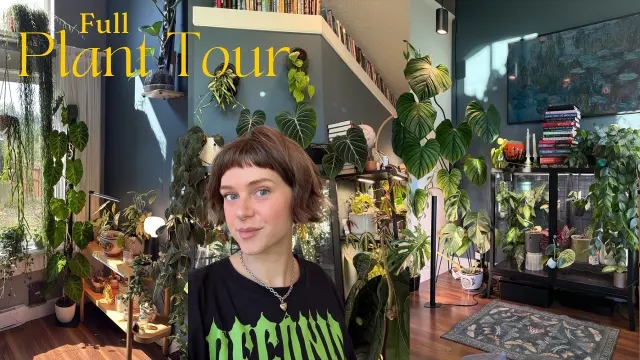
 Full Tour of a 150-Plant Houseplant Collection in a Small House
#Houseplant Collection
2 ideas
Full Tour of a 150-Plant Houseplant Collection in a Small House
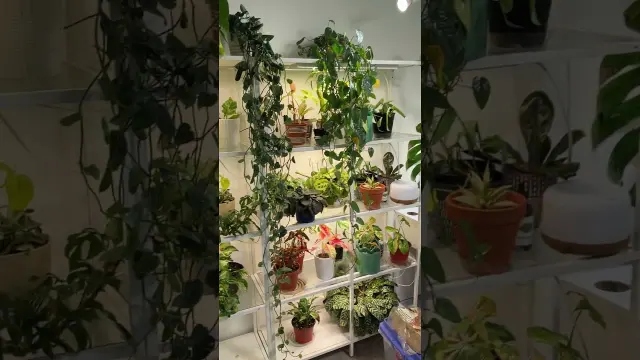 Morning Routine With a Collection of More Than 150 Houseplants
Get new #Houseplant Collection ideas by email
Every Thursday: the week's best ideas, with the newest from #Houseplant Collection.
Related tags
How to Build and Care for a Houseplant Collection
A houseplant collection is simply a personal group of plants grown indoors, in pots rather than in the ground. It might be three pots on a windowsill or a whole room given over to foliage, and there is no official number that turns a few plants into a collection. What defines it is intention: someone choosing plants, learning what each one needs, and arranging them so they live well in a home.
Where the idea comes from
People have brought plants indoors for centuries, but the indoor plant habit as a hobby is tied to two things: the glasshouse, which showed that plants could grow under glass and in containers, and the nineteenth-century fashion for ferns and palms in the home. The Victorians kept fern cases and aspidistras in dim parlours. Later decades brought houseplants in and out of fashion, but the practice has always rested on the same simple problem — recreating, in a room, a fraction of what a plant would get outdoors.
The main kinds
Read more
Collectors tend to group plants by what they need rather than by family:
- Foliage plants grown for leaves — philodendrons, monsteras, pothos, ficus, calatheas, snake plants.
- Succulents and cacti, which want bright light and dry spells between waterings.
- Flowering houseplants such as orchids, anthuriums and begonias.
- Ferns and other moisture lovers, which dislike dry air.
- Trailing and climbing plants, which need support or a shelf edge to spill from.
Starting out
Begin with a few plants rather than many. Three or four reliable kinds teach you more than twenty difficult ones, and they let you learn your home's conditions: which windows get morning sun, where the air is dry, which corner stays cold in winter. Choose plants that suit those places instead of trying to change the place.
Learn the difference between light levels. "Bright indirect" means near a window without harsh midday sun falling on the leaves. Most foliage plants sit here. Succulents want direct sun. Very few plants are happy in a dark corner, and no plant thrives in a windowless room without help.
Practical habits
Water is where most collections fail, and usually through kindness rather than neglect. Check the soil with a finger before watering; if it is still damp below the surface, wait. Pots need drainage holes, and saucers should not be left full. Empty them.
Group plants together where you can — they create a little humidity between them — but leave space for air to move, which helps prevent mould and pests. Clean leaves occasionally so light can reach them. Turn pots now and then so plants grow evenly rather than leaning at the window.
Watch for the quiet signals: stretched, pale growth means too little light; yellowing lower leaves often mean too much water; brown edges suggest dry air or inconsistent watering.
Finally, expect losses. Every collection loses plants, and a plant that struggles in your home is information, not failure. Keep notes on what worked, give away what no longer suits you, and the collection will grow around your conditions.
#Houseplant Collection: frequently asked questions
How do I start a houseplant collection without getting overwhelmed?
Start with a small handful of easygoing plants instead of filling a room at once, since a few reliable ones teach you far more than many fussy ones would. Living with them for a while shows you which windows get good light, where the air stays dry and which corners turn cold, so your next choices can be guided by what actually works in your home.
What do I need before I bring plants home?
At the very least you need pots with drainage holes and something to catch the water underneath, plus a spot near a window that gets decent light. Beyond that, a willingness to check the soil before watering matters more than any gadget, and a little patience for learning each plant's preferences.
How do I choose which houseplant is right for my space?
Look at the conditions you can actually offer rather than the plant you admire most — how much light reaches the spot, whether the air is dry, and how warm the room stays. Then pick something that suits those conditions: leafy foliage plants generally like bright, indirect light, while succulents and cacti want sunnier sills and drier soil. Very few plants thrive in a dark corner, so it pays to be honest about the light.
How should I water a houseplant collection?
More houseplants are lost to overwatering than to neglect, so check the soil with a finger before reaching for the can and wait if it still feels damp below the surface. Always let pots drain freely and empty the saucers rather than leaving plants sitting in water. Grouping plants helps create a little humidity between them, but leave enough space for air to move.
What are the most common mistakes people make with houseplants?
Watering on a fixed schedule instead of checking the soil, and keeping plants in spots with less light than they need, account for most struggles. Other frequent slips are leaving saucers full of water, crowding plants so tightly that air cannot move, and never turning the pots, which leaves growth lopsided toward the window.
What should I do when one of my plants starts to look unhappy?
Read the plant's signals first: pale, stretched growth usually means too little light, yellowing lower leaves often point to too much water, and brown edges suggest dry air or uneven watering. Adjust one thing at a time and give the plant a few weeks to respond. Every collection loses plants now and then, and a plant that struggles in your home is useful information rather than a failure.
Videos come from YouTube and posts from Instagram; titles and summaries are our own. All rights belong to their creators.