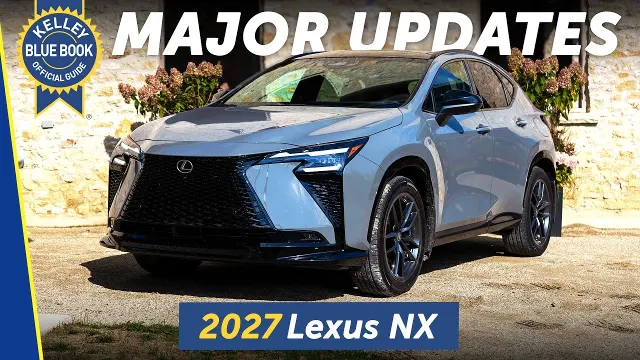
 2027 Lexus NX First Drive: Hybrid-Only Luxury SUV
#Hybrid SUV
1 ideas
2027 Lexus NX First Drive: Hybrid-Only Luxury SUV
Get new #Hybrid SUV ideas by email
Every Thursday: the week's best ideas, with the newest from #Hybrid SUV.
Related tags
Hybrid SUVs: A Practical Guide to How They Work
A hybrid SUV pairs the space, height and flexibility of a sport utility vehicle with a powertrain that uses an electric motor alongside a petrol or diesel engine. The electric side is rarely there to carry you for long distances on its own; its job is to handle the slow, stop-start work where a combustion engine is at its least efficient, and to add pulling power when the car is loaded or climbing.
What the electric part actually does
In every hybrid, energy that would otherwise be lost as heat during braking is captured and stored in a battery, then reused to help move the car. This is why hybrids feel most at home in towns and heavy traffic: the more you slow down and pull away, the more energy there is to recover. On a long, steady motorway run there is little to capture, and the advantage narrows.
The main kinds
- Mild hybrid: a small motor-generator assists the engine and smooths stop-start, but cannot drive the wheels alone. It is the simplest arrangement and the least intrusive to drive.
- Full hybrid: the electric motor can move the car at low speed by itself, and the battery is charged by the engine and by braking rather than from a plug.
- Plug-in hybrid: a larger battery charged from the mains gives a useful stretch of electric-only running, after which the car behaves much like a full hybrid. It only makes sense if you can charge regularly.
Why the SUV shape suits it
Size and weight work against any large vehicle, so a hybrid SUV will not match a small hatchback for economy. What it does offer is a way to keep the practicality people want from an SUV while softening the cost of the driving most families actually do: short trips, school runs, errands and congested commutes.
Read more
Driving one well
- Accelerate smoothly and steadily rather than in bursts, and look ahead so you can ease off early.
- Brake gently and progressively; hard braking hands the work to the friction brakes and wastes the energy you could have recovered.
- Watch the energy display if the car has one; it teaches you quickly where the electric assistance is available.
- In a plug-in, charge as a habit rather than occasionally. A depleted battery means carrying extra weight for no benefit.
Before you commit
Match the car to your routine. Mostly short urban journeys favour a full or plug-in hybrid; frequent long-distance towing or motorway miles suit a conventional engine better. Check the boot floor, since batteries sometimes sit under the load area, and confirm whether a spare wheel is included. Look at towing limits, whether all-wheel drive is offered, and how the rear seats fold.
Finally, ask about the battery warranty and servicing schedule. Hybrids tend to be gentler on brake pads, but the battery cooling and high-voltage systems still need attention, and resale value often depends on battery health and remaining cover.
#Hybrid SUV: frequently asked questions
How does a hybrid SUV actually save fuel?
It captures energy that would otherwise be lost as heat when you slow down, stores it in a battery, and reuses it to help move the car. That makes it most effective in towns and stop-start traffic, where there is plenty to recover; on a steady motorway cruise the benefit shrinks considerably.
Which kind of hybrid SUV should I choose?
A mild hybrid simply assists the engine and smooths stop-start driving, a full hybrid can creep along on electric power alone at low speed, and a plug-in hybrid adds a larger battery you charge from the mains for a stretch of electric-only running. Pick the plug-in only if charging regularly fits your routine, otherwise a full hybrid is the easier companion.
What driving habits get the best out of a hybrid SUV?
Accelerate smoothly and look well ahead so you can ease off early instead of surging and braking in bursts. Brake gently and progressively, since stamping on the pedal hands the work to the friction brakes and throws away energy you could have recovered. If the car has an energy display, watch it — it quickly teaches you where the electric assistance is available.
What should I check before buying a hybrid SUV?
Match the car to your routine: mostly short urban trips suit a full or plug-in hybrid, while constant motorway miles or towing sit more naturally with a conventional engine. Look at the boot floor, because batteries sometimes eat into the load area, and confirm whether a spare wheel comes with the car. Ask about towing limits, all-wheel drive availability and how the rear seats fold.
Is a hybrid SUV more expensive to maintain?
Hybrids tend to be gentler on brake pads because the electric side does much of the slowing, but the battery cooling and high-voltage systems still need proper attention at service time. Ask about the battery warranty and servicing schedule up front, since resale value often hinges on battery health and how much cover remains.
Are hybrid SUVs good for long journeys and towing?
They cope fine, but the advantage narrows — a long steady cruise gives little energy to recover, and the extra weight of the battery and motor works against economy. If your driving is mostly high-speed distance work or regular towing, a conventional engine is often the more sensible fit.
Videos come from YouTube and posts from Instagram; titles and summaries are our own. All rights belong to their creators.