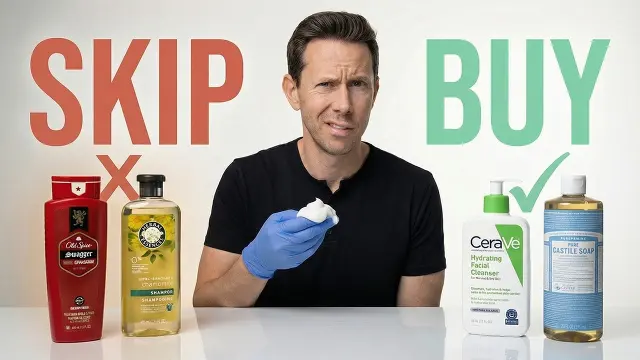
 Testing Popular Personal Care Products For Ingredient Safety
#Hygiene
2 ideas
Testing Popular Personal Care Products For Ingredient Safety
 Self Care Shopping And Restocking Complete Hygiene Routine
Get new #Hygiene ideas by email
Every Thursday: the week's best ideas, with the newest from #Hygiene.
Related tags
Hygiene: Everyday Care and Clean Habits
What hygiene means
Hygiene is the set of everyday habits that help you stay clean, comfortable, and well cared for. It covers personal cleanliness, caring for clothes and household spaces, and the small routines that reduce dirt, odor, and the spread of germs. Good hygiene is not about being perfect; it is about regular, practical care that fits your life.
The idea of hygiene has deep roots in many cultures, where washing, grooming, and keeping living spaces clean have long been linked with health and respect for oneself and others. Today, hygiene includes both traditional routines and simple modern habits that make daily life easier.
Common hygiene routines
Read more
Personal hygiene usually starts with the basics:
- Washing your hands at key times, especially before eating and after using the bathroom
- Bathing or showering regularly, depending on your needs and activity level
- Brushing your teeth and caring for your mouth each day
- Washing your face gently to remove sweat, oil, and dirt
- Changing into clean clothes and undergarments
- Caring for hair, nails, and body hair in a way that feels comfortable to you
Household hygiene matters too. Clean bedding, towels, kitchen surfaces, and bathrooms help create a fresher environment. Airing out rooms, taking out rubbish regularly, and keeping laundry under control all support a cleaner home.
Safe and simple habits
A good hygiene routine is usually simple and consistent. Use mild products if your skin is sensitive, and avoid overdoing cleansing, which can leave skin dry or irritated. You do not need many products to maintain good hygiene. What matters most is using them regularly and choosing routines that suit your body and daily life.
When trying new personal care products, pay attention to how your skin or scalp reacts. If something causes discomfort, dryness, or irritation, it may not be right for you. Gentle, fragrance-free, or basic formulas can be a good starting point if you prefer a simpler routine.
Different kinds of hygiene
Hygiene includes several areas:
- Body hygiene, such as bathing, deodorant, and clothing care
- Oral hygiene, such as brushing, flossing, and regular mouth care
- Hand hygiene, which is one of the most important daily habits
- Home hygiene, including cleaning kitchens, bathrooms, and shared surfaces
- Menstrual and intimate hygiene, which should always be gentle and suited to your needs
Each area has the same goal: to help you feel clean, fresh, and comfortable without unnecessary effort.
Tips for beginners
If you want to improve your hygiene habits, start small. Choose one or two routines you can do every day, then add more when they feel natural. Keeping a simple checklist can help until the habits become automatic.
It also helps to keep supplies easy to reach: soap, toothpaste, clean towels, and laundry basics. A calm routine is easier to maintain than an elaborate one. Hygiene is most effective when it becomes part of ordinary life, not a chore you only manage sometimes.
Videos come from YouTube and posts from Instagram; titles and summaries are our own. All rights belong to their creators.