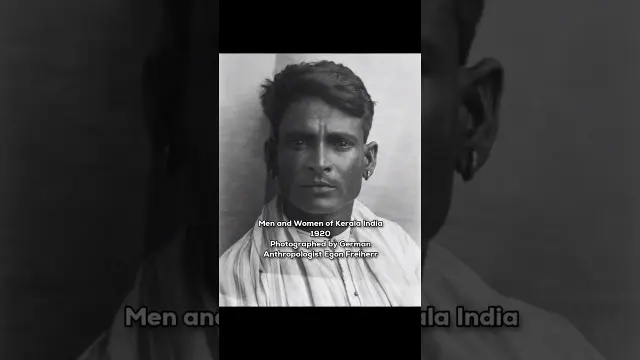
 Historical Photographs of Kerala People from 1920
#Indian Culture
2 ideas
Historical Photographs of Kerala People from 1920
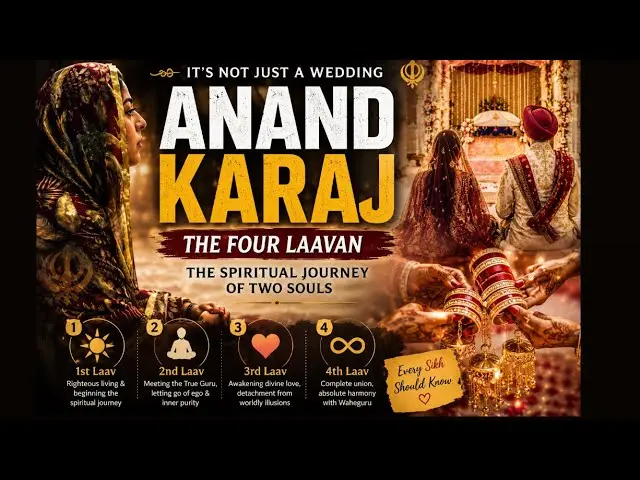 Sikh Wedding Explained: Meaning Of Anand Karaj And The Four Laavan
Get new #Indian Culture ideas by email
Every Thursday: the week's best ideas, with the newest from #Indian Culture.
Related tags
Indian Culture: Traditions, Values, and Everyday Life
Indian culture is one of the world’s oldest and most diverse cultural traditions. It is not a single style or way of life, but a rich mix of languages, religions, regional customs, family values, food habits, dress, art, and daily rituals. Because India is home to many communities, Indian culture can look very different from place to place, while still sharing some common ideas such as respect for family, hospitality, spirituality, and celebration.
Where Indian culture comes from
Indian culture has grown over thousands of years through local traditions, ancient philosophies, trade, migration, and the meeting of many communities. It includes influences from Hindu, Muslim, Sikh, Jain, Buddhist, Christian, and tribal traditions, along with many regional histories. This is why Indian culture is best understood as many cultures living together under one broad identity.
Family, respect, and social life
Read more
Family is central in many Indian households. People often value close ties with parents, grandparents, uncles, aunts, and cousins. Respect for elders is common, and family decisions may involve several generations. Hospitality also plays an important role. Guests are often welcomed warmly, and sharing food or tea is a familiar sign of care.
Social customs can vary, but politeness, modesty, and attention to relationship are often important. Greetings may include folded hands, a smile, or a respectful phrase depending on the region and community.
Language, art, and expression
India has many languages and hundreds of local dialects. Different regions have their own literature, songs, proverbs, theatre, dance, and visual arts. Classical forms of dance, devotional music, folk songs, embroidery, painting, and craft traditions all form part of Indian cultural life. Everyday creativity is also found in home decoration, wedding rituals, and seasonal celebrations.
Food and shared meals
Indian food is incredibly varied. Rice, wheat, lentils, vegetables, spices, yogurt, and regional specialties appear in many forms across the country. Meals may be vegetarian or include meat or fish, depending on local custom and religious practice. Food is often connected to festivals, family gatherings, and hospitality. Spices are used not only for flavor but also to create balance and depth in cooking.
Clothing and appearance
Indian clothing reflects climate, region, religion, and occasion. Traditional dress may include sarees, salwar kameez, lehengas, dhotis, kurta styles, turbans, and many local garments. Fabrics, draping styles, embroidery, and jewelry often carry cultural meaning. Dress can be simple for daily wear and more elaborate for ceremonies and celebrations.
Festivals and rituals
Festivals are an important part of Indian culture. They often mark seasons, religious stories, harvests, family milestones, or community history. Celebrations may include prayer, music, special food, decorated homes, lamps, flowers, fasting, gift-giving, and visits to family and friends. Rituals can be deeply symbolic, but they are not all the same across India.
What to keep in mind as a beginner
If you are learning about Indian culture, start by seeing it as diverse rather than fixed. A custom from one state or community may not apply everywhere. It helps to ask respectful questions, observe local manners, and avoid generalizing. Indian culture is best appreciated through its variety: the many ways people cook, pray, celebrate, dress, and care for one another.
Videos come from YouTube and posts from Instagram; titles and summaries are our own. All rights belong to their creators.