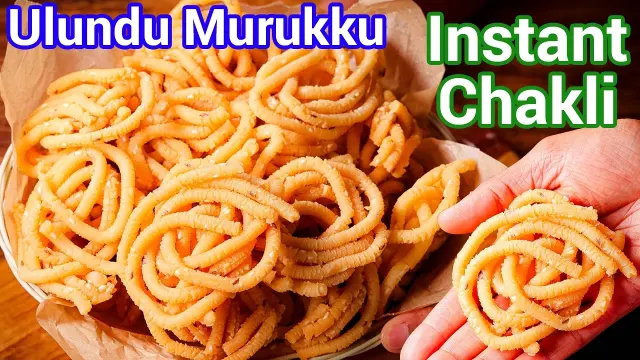
 Instant Chakli Murukku Recipe
#Indian Snack
8 ideas
Instant Chakli Murukku Recipe
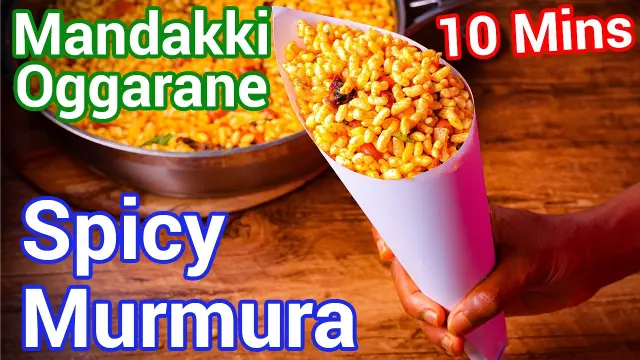 Spicy Murmura Chivda Karnataka Style Puffed Rice Snack
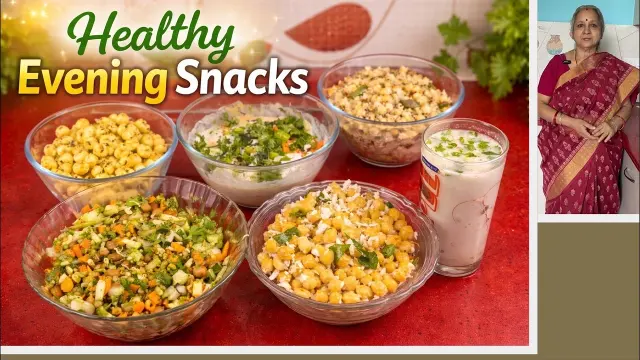 Six Simple Indian Snack Ideas for Healthy Evening Eating
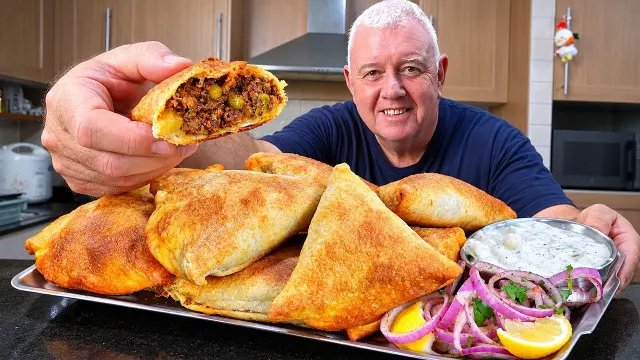 Baked Spiced Keema Tortilla Pockets Recipe
 Crispy Fried Chicken Samosa Recipe
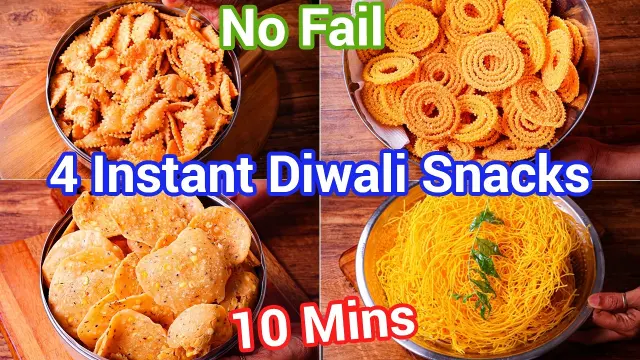 Four Quick Deepavali Snacks Ready in Ten Minutes
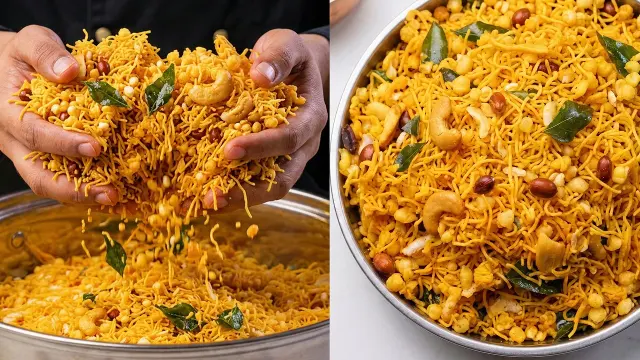 Crispy South Indian Khara Mixture Recipe
 Crispy Papad Tacos Fusion Snack
Get new #Indian Snack ideas by email
Every Thursday: the week's best ideas, with the newest from #Indian Snack.
Related tags
Indian Snacks: A Guide to Everyday Bites
Indian snacks are a broad family of small, flavourful foods enjoyed between meals, at tea time, during festivals, and as part of everyday life. In a country with many regions, climates, and food traditions, snacks vary widely in ingredients and style, but they often share a love of spice, texture, and contrast. You may find them crisp, fried, roasted, steamed, or baked, and they can be made from grains, lentils, vegetables, fruit, dairy, or flour.
What Indian snacks are
Indian snacks are usually more than just something quick to eat. They often reflect local produce, household habits, and regional cooking methods. Some are eaten at home with tea or chutney, while others are sold in markets, roadside stalls, or made for guests. Many snacks are designed to be shared, which makes them an important part of hospitality and family gatherings.
Common kinds and styles
Read more
There is no single type of Indian snack. A few broad styles are especially common:
- Savoury fried snacks: crisp fritters, spiced dough bites, and crunchy mixtures are popular across many regions.
- Steamed snacks: these tend to be lighter and often use rice, lentils, or fermented batters.
- Roasted or puffed snacks: these are often made with grains such as puffed rice, chickpeas, or nuts, seasoned with spices and herbs.
- Filled snacks: many snacks have savoury fillings made with potato, vegetables, lentils, or paneer.
- Sweet snacks: some are rich and syrupy, while others are soft, milk-based, or made from flour and ghee.
Flavours and ingredients
The flavour profile of Indian snacks is usually bold but balanced. Common seasonings include salt, chilli, turmeric, cumin, coriander, ginger, curry leaves, and tamarind. Chutneys, pickles, and yogurt-based sauces often add freshness or tang. Texture matters too: a good snack may combine crispness with softness, or heat with sweetness, or richness with acidity.
What beginners should know
If you are new to Indian snacks, start with a few simple ideas rather than trying to master everything at once. Focus on the balance of flavour, texture, and seasoning. Many recipes rely on a base that is easy to adjust, so you can make them milder or spicier to suit your taste.
A few practical tips:
- Taste as you go, especially with spice and salt.
- Keep ingredients dry when you want crispness.
- Serve fried snacks soon after cooking for the best texture.
- Pair rich snacks with something fresh, such as chutney, salad, or tea.
- If you are making them at home, measure carefully at first, then adjust to your own preference.
How Indian snacks are enjoyed
Indian snacks can be a light bite, a comfort food, or part of a larger spread. They are often served alongside tea, coffee, or cooling drinks, and they can work as starters, lunchbox items, or festive treats. Whether simple or elaborate, they are usually meant to be shared and savoured slowly.
If you are exploring Indian snacks, begin with one region or one style, and let the ingredients guide you. The variety is immense, but the idea is simple: small foods made with care, strong flavour, and a sense of occasion.
Videos come from YouTube and posts from Instagram; titles and summaries are our own. All rights belong to their creators.