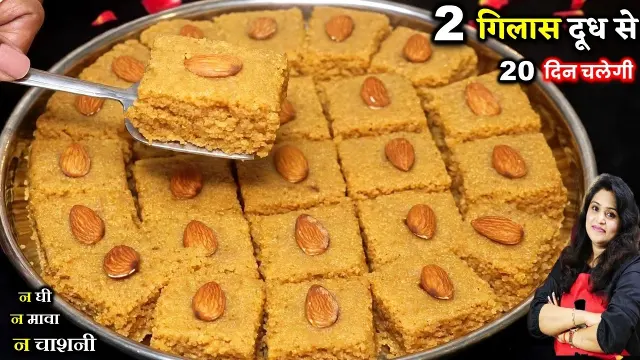
 Granular milk cake kalakand recipe with jaggery
#Indian Sweets
5 ideas
Granular milk cake kalakand recipe with jaggery
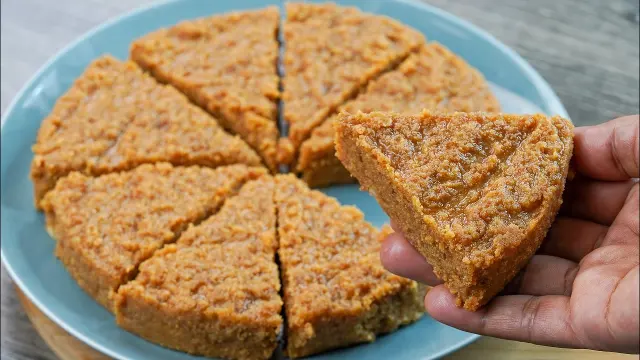 Instant milk cake recipe for a sweet treat
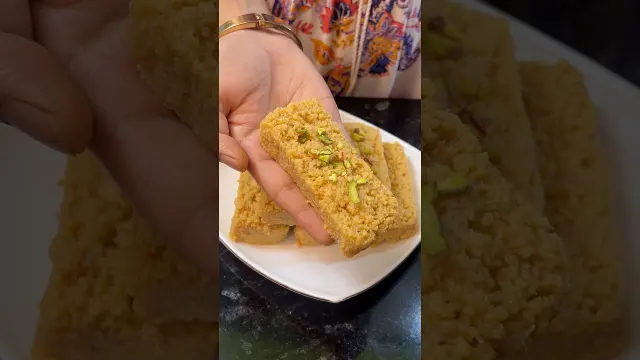 Traditional easy milk cake recipe with cardamom
 Classic homemade milk cake recipe for celebrations
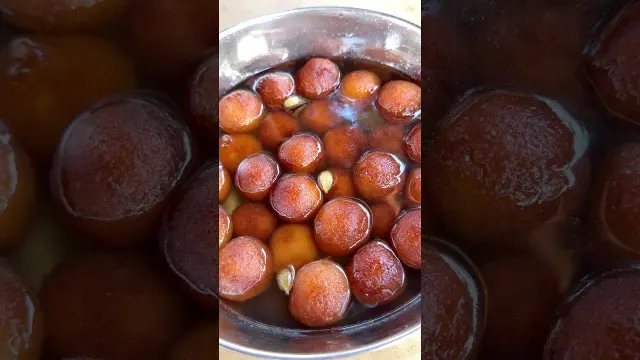 Traditional Homemade Suji and Milk Powder Gulab Jamun
Get new #Indian Sweets ideas by email
Every Thursday: the week's best ideas, with the newest from #Indian Sweets.
Related tags
Indian Sweets: A Gentle Guide
Indian sweets are a broad family of desserts made across South Asia, especially in India, and enjoyed for everyday treats, festivals, celebrations and hospitality. They range from rich milk-based sweets to syrup-soaked fritters, nutty confections and cooling puddings. What connects them is a love of dairy, sugar, ghee, spices, nuts and slow, careful preparation.
What Indian sweets are made from
Many Indian sweets begin with milk, milk solids, flour, lentils, semolina, rice, sugar or jaggery. Common flavourings include cardamom, saffron, rosewater and nuts such as pistachios, almonds and cashews. Some sweets are cooked down to a dense texture, while others are fried and soaked in syrup, set into fudges, or shaped into balls and bars.
Milk-based sweets are especially well known. They can be soft and crumbly, creamy, or firm enough to cut into pieces. Other sweets rely on reduced milk solids, while some use paneer or fresh cheese for a smooth, rich result. Jaggery is often used for a deeper, more earthy sweetness, while sugar gives a cleaner flavour.
Read more
Main kinds of Indian sweets
There is no single style of Indian sweet, but a few broad groups appear often:
- Milk sweets: soft, rich desserts made by reducing milk or using milk solids
- Syrup sweets: fried or shaped sweets soaked in sugar syrup
- Fudge-like sweets: dense squares or rounds made from milk, flour, nuts or seeds
- Puddings and halwas: spoonable or sliceable sweets with a soft texture
- Ladoo-style sweets: small round sweets made from roasted flour, lentils, coconut or milk solids
Each region has its own traditions, so the same name may refer to slightly different versions depending on where it is made. That variety is part of the charm.
Techniques that matter
Indian sweets often depend on patience and careful heat. Milk-based sweets need gentle cooking so they do not scorch. Syrup sweets need the right syrup consistency so they stay tender rather than soggy or dry. Fudge-like sweets are easier to cut neatly if they are cooked until the mixture leaves the sides of the pan. For fried sweets, the oil should be steady and not too hot, so the outside cooks evenly.
If you are new to making them, start with simple recipes and learn the texture rather than rushing the timing. Many sweets are judged by feel: smoothness, pliability, thickness or when a mixture begins to pull away from the pan. Clean utensils and a heavy pan can also help.
How to enjoy them
Indian sweets are often served after meals, during festivals, at family gatherings or as a gesture of welcome. They can be plain or garnished with nuts, dried fruit or a light dusting of spice. Some are best eaten warm, while others taste better after they have set and cooled.
A few practical tips
- Use low to medium heat for milk-based sweets
- Stir regularly to prevent sticking and burning
- Taste carefully as you go, especially with sugar or jaggery
- Let sweets cool fully before cutting or shaping, unless the recipe says otherwise
- Store them carefully, since many are delicate and spoil faster than dry biscuits or cakes
If you are exploring Indian sweets for the first time, begin with one or two familiar styles and notice how texture, sweetness and aroma work together. Even simple versions can feel special when they are made with care.
Videos come from YouTube and posts from Instagram; titles and summaries are our own. All rights belong to their creators.