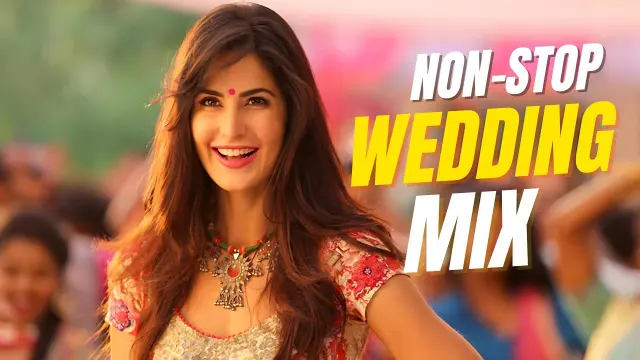
 Nonstop Bollywood Wedding DJ Mix and Sangeet Anthems
#Indian Weddings
1 ideas
Nonstop Bollywood Wedding DJ Mix and Sangeet Anthems
Get new #Indian Weddings ideas by email
Every Thursday: the week's best ideas, with the newest from #Indian Weddings.
Related tags
Indian Weddings: Traditions, Rituals and Style
Indian weddings are deeply meaningful celebrations that bring together two families as much as two people. They can be large or intimate, traditional or modern, but they often share the same spirit: ritual, hospitality, music, color and community. Because India is home to many religions, regions and languages, there is no single way to have an Indian wedding. The ceremonies, clothing and customs can vary widely from one family to another.
What makes an Indian wedding unique
At the heart of many Indian weddings is a series of ceremonies rather than one single event. These may include pre-wedding gatherings, a wedding ceremony and a reception or celebration afterward. Some families follow Hindu, Sikh, Muslim, Christian or other religious traditions, while others blend cultural customs from both sides of the family. The sequence and meaning of each ritual depend on the community and the couple’s preferences.
Music, food and guest participation are often central. Many celebrations include dancing, singing and a generous meal shared with extended family and friends. For many people, the wedding is also a time to honour elders, welcome new relatives and mark an important family transition.
Read more
Common ceremonies and customs
Some Indian weddings include several familiar gatherings, though not every wedding has all of them:
- Engagement or betrothal celebrations
- Mehendi, where hands and feet may be decorated with henna
- Sangeet, a music-filled gathering with performances and dancing
- Wedding rituals and vows
- Reception or post-wedding celebration
The exact order and purpose of these events can differ. In some traditions, prayers and blessings are central; in others, the focus is on family introductions, feasting and festive entertainment.
Clothing, colours and decoration
Indian wedding attire is usually formal and richly detailed. Brides often wear sarees, lehengas or other traditional garments, while grooms may wear sherwanis, kurtas or suits depending on family customs. Guests often dress festively too, choosing bright colours and elegant fabrics.
Decor tends to be ornamental and symbolic. Flowers, draped fabrics, candles, lanterns and patterned textiles are common choices. Many couples use colour palettes that reflect family preferences, religious traditions or the season of the celebration, while staying true to the overall sense of richness and warmth.
Food and hospitality
Food is one of the most important parts of an Indian wedding. Meals may be served as a buffet, a plated dinner or a traditional family-style feast. Menus often reflect regional cooking, religious dietary practices and the couple’s own tastes. Because guests are typically invited to spend several hours, hospitality matters: comfortable seating, clear timing and thoughtful service help everyone enjoy the day.
Planning tips for beginners
If you are planning or attending an Indian wedding, it helps to remember a few practical things:
- Ask early about dress expectations and ceremony customs
- Build in time for rituals, photos and family greetings
- Choose comfortable footwear, since many celebrations involve standing and dancing
- Be open to learning the meaning of each ceremony
- Keep the focus on family traditions and the couple’s wishes
Indian weddings are often joyful, layered and memorable. Whether the celebration is grand or simple, it is usually shaped by love, respect and the meeting of families, all expressed through ritual and celebration.
Videos come from YouTube and posts from Instagram; titles and summaries are our own. All rights belong to their creators.