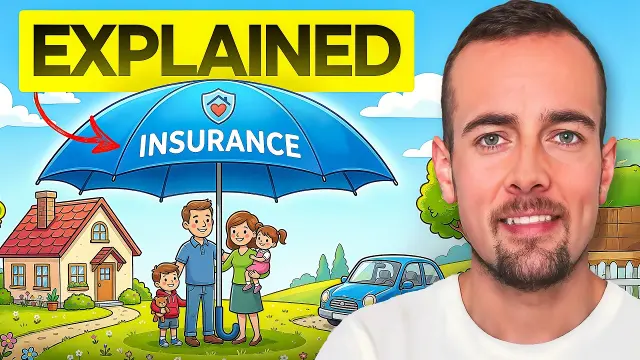
 Comprehensive Life Insurance Guide Comparing Term and Permanent
#Insurance Guide
1 ideas
Comprehensive Life Insurance Guide Comparing Term and Permanent
Get new #Insurance Guide ideas by email
Every Thursday: the week's best ideas, with the newest from #Insurance Guide.
Related tags
Insurance Guide: Understanding Protection and Planning
Insurance is a way of sharing financial risk. You pay a regular premium to an insurer, and in return the insurer helps cover certain losses if an insured event happens. The basic idea is simple: instead of carrying a large, uncertain cost on your own, you spread that risk over time. Insurance is used to protect people, families, homes, vehicles, businesses, and belongings.
How insurance works
Most insurance policies follow the same structure. You pay premiums to keep the policy active. If a covered event occurs, you file a claim. The insurer then reviews the claim and, if it fits the policy terms, pays benefits or reimburses eligible costs. Policies usually include limits, exclusions, deductibles, and conditions, so it is important to understand what is and is not covered.
A deductible is the amount you pay before insurance begins to help. A policy limit is the maximum the insurer will pay for a covered loss. Exclusions are events or situations the policy does not cover.
Read more
Main types of insurance
There are many kinds of insurance, but a few are especially common:
- Life insurance: designed to provide financial support to people you leave behind after your death
- Health insurance: helps with medical costs, depending on the policy terms
- Homeowners or renters insurance: protects a home or personal belongings against covered losses
- Auto insurance: helps cover damage or liability related to vehicles
- Disability insurance: can replace part of your income if illness or injury prevents you from working
- Travel insurance: may help with trip cancellations, interruptions, or certain travel-related losses
- Liability insurance: protects against claims that you caused harm or damage to someone else
Each type serves a different purpose, and you may need more than one depending on your situation.
What to look for when choosing a policy
When comparing policies, start with your actual needs. Think about what would be hard to pay for on your own and what risks matter most in your life. Then look at the coverage details carefully.
- Check what the policy covers and what it excludes
- Compare deductibles, premiums, and limits
- Read the conditions for making a claim
- Ask how claims are handled and what documents are needed
- Make sure the coverage matches your situation, not just the lowest price
A cheaper policy is not always better if it leaves important gaps. At the same time, more coverage is not always necessary if your risks are limited.
Practical tips for beginners
If you are new to insurance, keep things straightforward. Start by listing your most important financial responsibilities, such as housing, family needs, income, or property. Then choose the policies that protect those priorities first.
It also helps to review your coverage regularly, especially after major life changes like moving, buying a home, having children, or changing jobs. Keep your policy documents in a safe place, and know how to contact your insurer if you need to make a claim.
Insurance works best when you understand it before you need it. A little time spent reading the terms now can make a difficult moment much easier later.
Videos come from YouTube and posts from Instagram; titles and summaries are our own. All rights belong to their creators.