 Anticipating major color and style shifts in interior design
#Interior Decor
22 ideas
Anticipating major color and style shifts in interior design
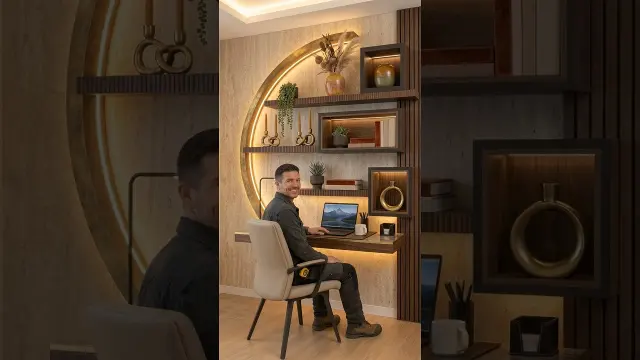 DIY Modern Home Office Floating Desk Setup
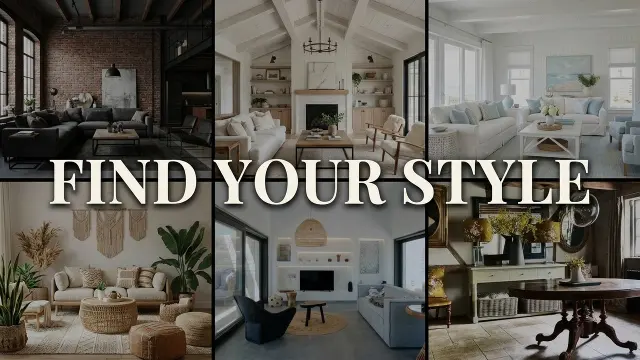 Comprehensive guide to major interior design styles
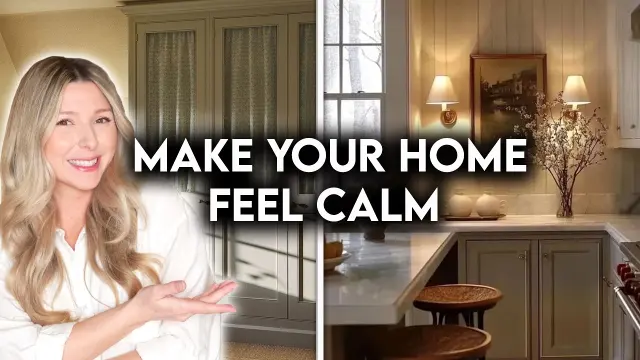 Designer secrets and hacks for a calm home interior
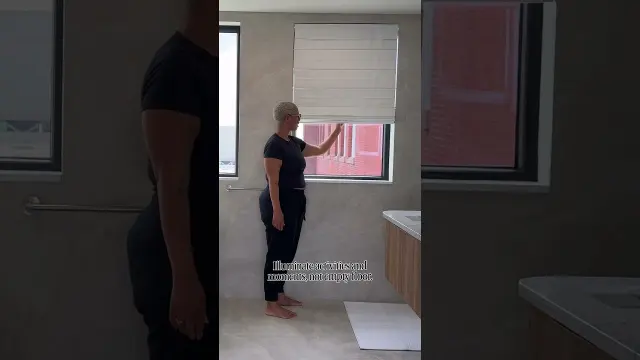 Instant home upgrades that create a luxurious aesthetic
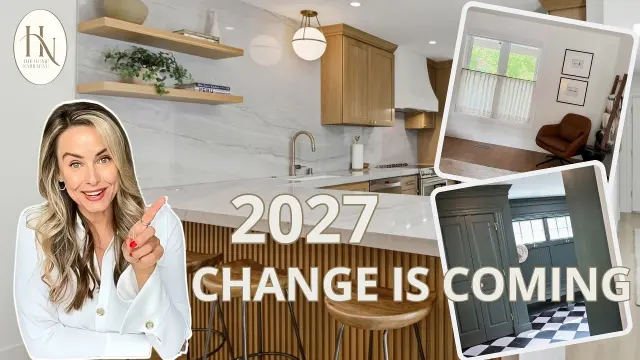 Anticipated Interior Design Trends for Upcoming Years
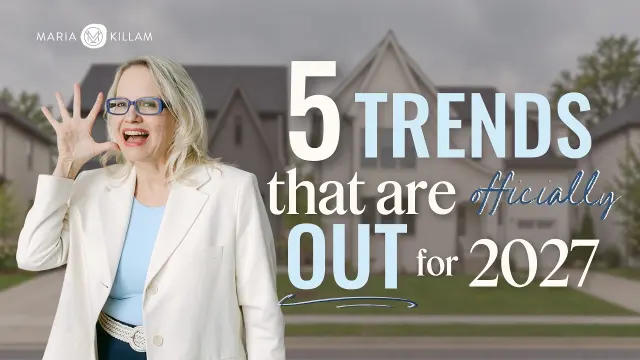 Interior design styles and specific trends phasing out
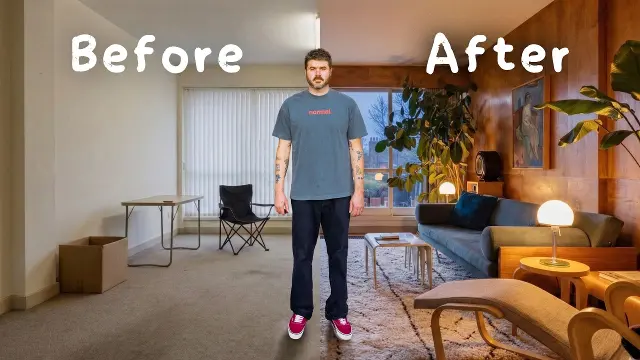 Interior design concepts and research for male spaces
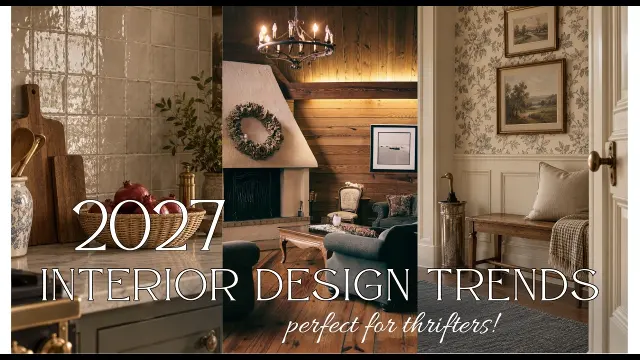 Upcoming interior design trends tailored for thrift store lovers
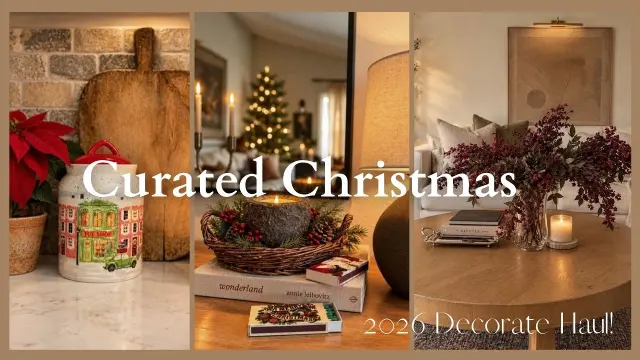 Curated seasonal home decor and accessory haul
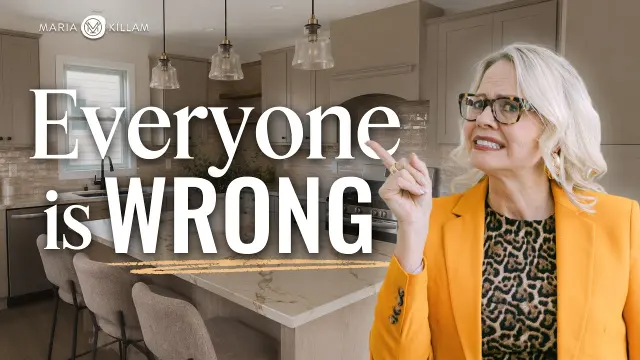 Identifying truly timeless finishes and decorating ideas
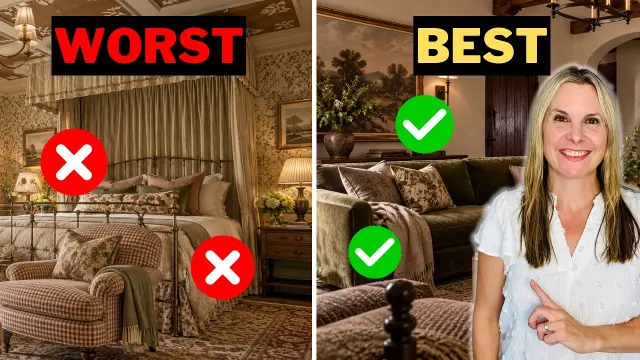 Interior design trends worth your money versus outdated choices
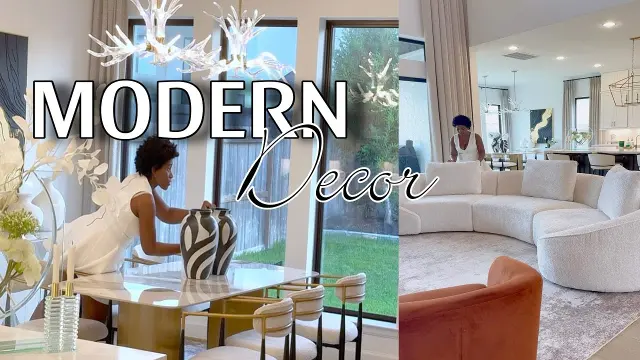 Modern home decorating ideas for high-end styling on a budget
 Zero Dollar Home Decorating Ideas Using What You Own
 Affordable Designer Inspired Home Decor Finds From Amazon
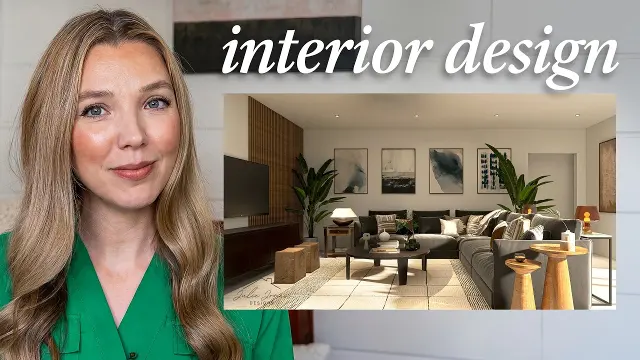 Essential Interior Design Basics for Space Planning and Color
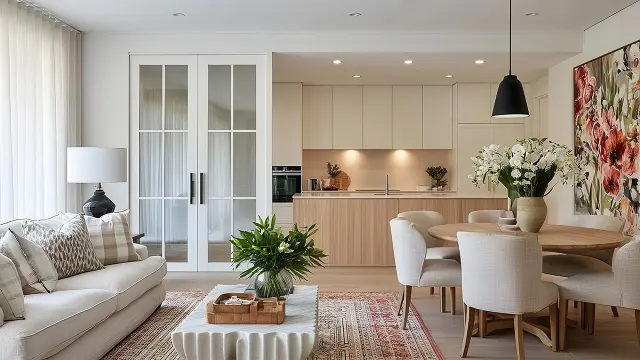 Sophisticated Style and Luxury Interior Ideas for Small Spaces
 A Comprehensive Beginner Guide to Practical Interior Design
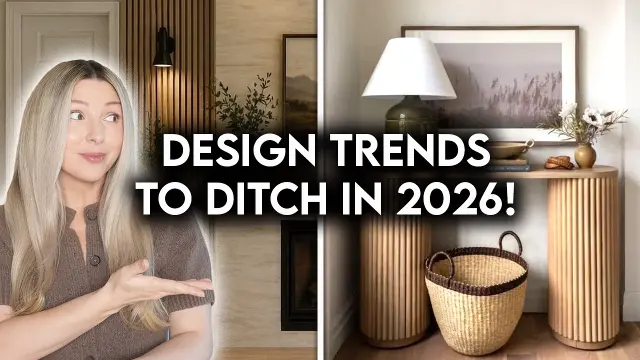 Ten Outdated Interior Design Trends and How to Update
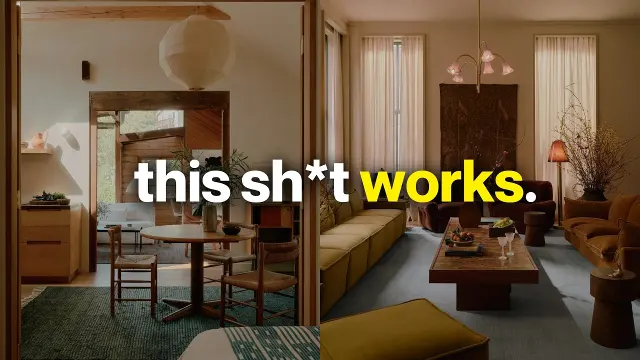 Fifteen Essential Rules of Interior Design Explained
 Professional Interior Designer Tips For Styling Home Accessories
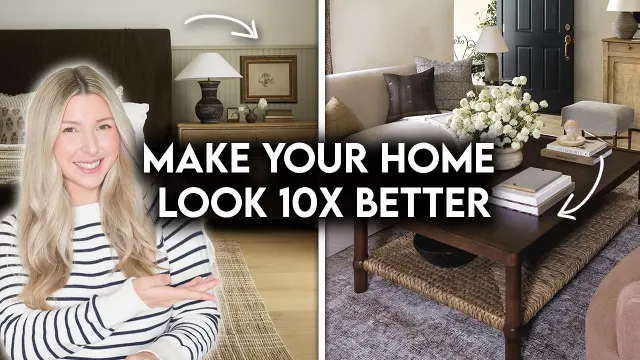 Ten Interior Design Tricks To Improve Your Living Space
Get new #Interior Decor ideas by email
Every Thursday: the week's best ideas, with the newest from #Interior Decor.
Related tags
Interior Decor Ideas and Essentials
Interior decor is the art of shaping a room so it feels comfortable, useful, and pleasing to live in. It includes the choice of furniture, colors, textiles, lighting, wall art, storage, and small decorative details that give a home its character. While architecture defines the structure of a space, decor is what helps it reflect the people who live there.
What interior decor includes
Good decor is more than making a room look attractive. It also supports the way you use the space. A well-decorated room feels balanced, practical, and personal. Some homes lean toward simple and uncluttered interiors, while others use more layers, pattern, and ornament. Both can work beautifully if the space feels coherent.
Common elements of interior decor include:
Read more
- Furniture that fits the size and purpose of the room
- Color choices for walls, fabrics, and accessories
- Lighting that supports both function and atmosphere
- Textiles such as curtains, rugs, cushions, and bedding
- Decorative objects, artwork, plants, and mirrors
- Storage pieces that help keep the space tidy
Main styles and approaches
Interior decor has many styles, but most can be understood through a few broad ideas. Minimal interiors use restraint and clear lines, with fewer objects and calm color palettes. Traditional rooms often include classic shapes, balanced arrangements, and a sense of warmth. Contemporary decor usually favors clean surfaces, simple forms, and a mix of old and new pieces.
You may also come across rustic, coastal, vintage, eclectic, or bohemian styles. These are less about strict rules and more about mood. Rustic spaces often feel natural and relaxed. Vintage decor brings in older pieces or references to earlier periods. Eclectic rooms combine different influences, but they still need a unifying thread, such as color, material, or scale.
How to plan a room
If you are decorating a space from scratch, start with how you use it. Ask yourself what the room needs most: better seating, more storage, softer light, or a calmer feel. Then build the room in layers. Begin with the largest pieces, such as a sofa, bed, or table, and add smaller items afterward.
A few practical principles help almost any room:
- Keep furniture in proportion to the room
- Leave enough space to move around comfortably
- Repeat colors or materials so the room feels connected
- Mix smooth and textured surfaces for depth
- Use lighting at different levels, not just one ceiling light
Tips for beginners
If you are new to interior decor, don’t try to fill every corner at once. A room usually feels stronger when you edit it carefully. Choose a few pieces you truly like and let the space develop gradually. It is often better to have fewer objects that fit well than many that compete for attention.
Start with one element you love, such as a rug, a painting, or a fabric, and use it as a guide for the rest of the room. Pay attention to scale, color harmony, and comfort. Most importantly, make choices that suit your daily life. A beautiful home is one that feels easy to live in, not just nice to look at.
Videos come from YouTube and posts from Instagram; titles and summaries are our own. All rights belong to their creators.