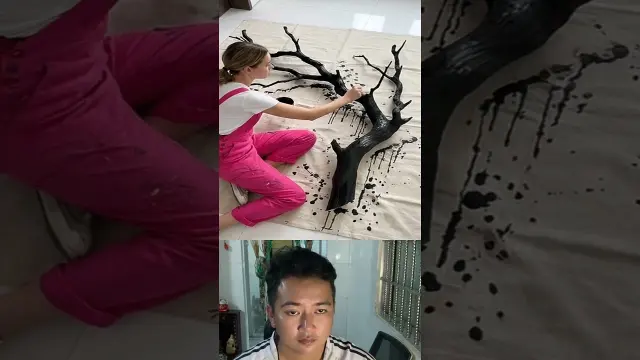
 DIY Home Decor Ideas: Part 69 of a Decorating Project Series
#Interior Decoration
1 ideas
DIY Home Decor Ideas: Part 69 of a Decorating Project Series
Get new #Interior Decoration ideas by email
Every Thursday: the week's best ideas, with the newest from #Interior Decoration.
Related tags
Interior Decoration: A Beginner's Guide to a Home You Love
Interior decoration is the craft of arranging the things inside a room so that the space works well and feels good to be in. It sits alongside architecture and building work, but where those decide the walls and windows, decoration decides what happens within them: the furniture, colours, fabrics, lighting, art and objects that turn a structure into a home. People have always shaped their surroundings this way, using textiles, paint, wood and ceramics to signal comfort, status and taste, and the basic instincts behind it are older than any style label.
Decoration and design
The two are often used interchangeably, and in practice they overlap. Interior design tends to involve planning work that is hard to undo later, such as layouts, built-in elements and lighting points. Decoration works on top of that: the movable, changeable layer. Knowing the difference helps you decide what you can do yourself and what needs a professional.
The principles that hold it together
Most pleasing rooms share a handful of quiet rules, and none of them depend on fashion.
- Balance: visual weight distributed across a room, either evenly or deliberately off-centre.
- Proportion: furniture sized to the space and to each other, leaving room to move.
- Rhythm: repeated colours, shapes or heights that lead the eye around.
- Contrast: a mix of light and dark, rough and smooth, old and new, so nothing feels flat.
- Negative space: empty area treated as part of the composition rather than a gap to fill.
Read more
Styles worth knowing
Broad families of style recur across decades. Traditional leans on symmetry, warm woods, pattern and inherited-looking pieces. Minimalism strips a room back to essentials and lets surface and light do the work. Rustic and country styles favour natural materials and imperfection. Eclectic rooms mix periods and origins confidently, held together by a shared palette. Maximalism embraces abundance, colour and collection. Treat these as vocabularies, not rules, and borrow from several.
Where to start as a beginner
Begin with what you already own and what the room must do. Notice how you actually use the space, then decide the one or two things that would make it easier. Choose a simple palette of a few colours and repeat them. Measure before you buy anything, and mark out the footprint of a large piece on the floor with tape. Live with a decision for a day before committing to it.
Practical habits that serve you well
Buy the anchor pieces first and fill in gradually; a room assembled over time almost always reads better than one bought in a single afternoon. Collect samples of paint and fabric and look at them in the room's own light, morning and evening. Sort lighting into layers so a space can shift from bright to soft. Edit as you go: a few well-chosen objects usually say more than many. And leave something unfinished, so the room can keep growing with you.
#Interior Decoration: frequently asked questions
How do I start decorating a room when I have no experience?
Start with the room as it is and with what you already own, paying attention to how you actually use the space day to day. Pick the one or two changes that would genuinely make it easier to live in, then build a small colour palette you can repeat around the room. Measuring before you buy and taping out a large piece's footprint on the floor saves a lot of regret.
What is the difference between interior decoration and interior design?
Interior design generally covers the parts that are hard to change later, such as layouts, built-in elements and where the lighting points go. Decoration is the movable, changeable layer on top: furniture, colour, fabric, art and objects. Knowing which one you are dealing with tells you what you can reasonably do yourself and what is worth bringing someone in for.
What are the basic principles that make a room look put together?
Most comfortable rooms balance visual weight, size furniture in proportion to the space, and repeat colours or shapes so the eye has somewhere to travel. Contrast matters too, mixing light with dark and rough with smooth so nothing reads as flat. Empty space deserves the same attention as the furniture, since it is part of the composition rather than a gap waiting to be filled.
Which decorating style should I choose?
Treat styles as vocabularies rather than rules, and borrow from more than one if that suits you. Traditional, minimal, rustic, eclectic and maximalist rooms all work; what holds a mix together is a shared palette and a consistent sense of proportion. Choose the one that fits how you live rather than the one that photographs best.
How do I care for and maintain a decorated room over time?
Buy the anchor pieces first and fill in gradually, because a room assembled over time almost always reads better than one bought in a single afternoon. Check paint and fabric samples in the room's own light at different times of day before committing, and edit as you go so a few well-chosen objects carry the space. Leaving something unfinished lets the room keep growing with you instead of feeling frozen.
What mistakes do beginners make when decorating?
The most common ones are buying before measuring, filling every empty space, and trying to finish a room in one shopping trip. Buying in a single afternoon tends to produce a room that feels flat rather than lived in. Living with a decision for a day before committing, and layering lighting so a space can shift from bright to soft, avoids most of it.
Videos come from YouTube and posts from Instagram; titles and summaries are our own. All rights belong to their creators.