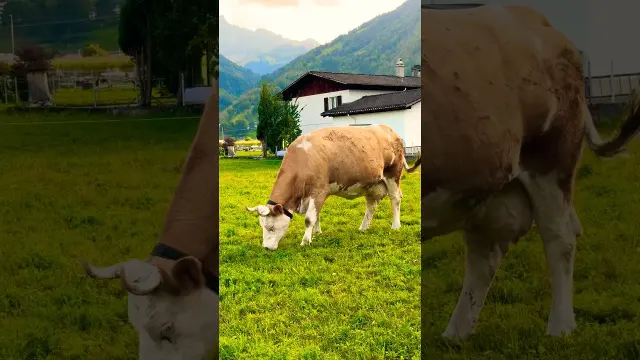
 Walking Tour of the Mountains Near Interlaken, Switzerland
#Interlaken
2 ideas
Walking Tour of the Mountains Near Interlaken, Switzerland
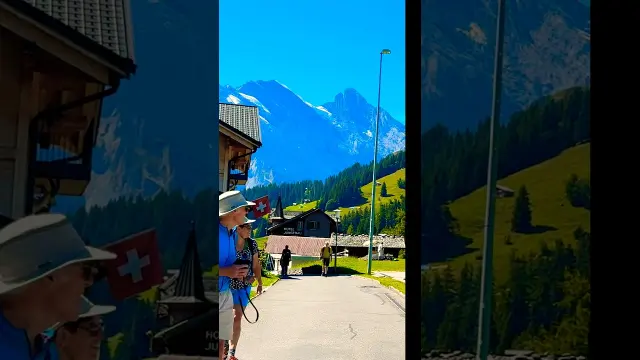 Walking Tour of Interlaken: Swiss Mountains and Nature
Get new #Interlaken ideas by email
Every Thursday: the week's best ideas, with the newest from #Interlaken.
Related tags
Interlaken: A Guide to Switzerland's Town Between Two Lakes
Interlaken takes its name from its position: the town occupies a narrow strip of land between two lakes, Lake Thun to the west and Lake Brienz to the east. The Aare river flows through the middle, and the old town of Unterseen, with its arcaded houses and small squares, sits just across the water. For travellers, the geography explains the town's appeal — the lakes are close on both sides, and the high mountains of the Bernese Oberland rise directly beyond them.
Where it comes from
The area grew around a monastery in the medieval period, and the town's position on trade routes across the Alps shaped its early history. Tourism arrived with the fashion for mountain travel, when visitors came for the air, the scenery and the views of the great peaks. Old hotels along the Höheweg promenade still reflect that era, and many of the region's mountain railways and cable cars were built to carry guests up to viewpoints that would otherwise take hours on foot.
What to see and do
Read more
The classic excursion is up to Harder Kulm, the viewpoint above town, reached by a funicular and looking down over both lakes. Further afield, cogwheel railways and gondolas climb toward the higher slopes, including the routes toward the Jungfrau region. The two lakes offer boat trips to villages along their shores, each with its own church, harbour and walking paths.
Hiking is the main activity in summer. Trails range from flat lakeside promenades to demanding climbs, and signage is generally good. Winter brings its own character, with snow on the lower slopes and quieter paths in the valleys.
Practical advice for a first visit
- Bring layers. Weather in the mountains changes quickly, and a warm morning can turn to cloud and rain by afternoon.
- Check the webcams and lift schedules before committing to a high-altitude trip; cloud can close a summit view entirely while the valley stays sunny.
- Walk the Höheweg promenade in the early morning, when the peaks are clearest and the town is still quiet.
- Carry cash for small mountain huts and village bakeries; not every place takes cards.
- Allow time for the lakes. A boat crossing is slow by design, and the shoreline villages reward a few unhurried hours.
- Respect marked paths and closures. Alpine terrain is not a place for shortcuts, and the local mountain rescue services appreciate visitors who plan.
Interlaken works best as a base rather than a destination in itself — a comfortable place to return to after a day on the water or above the tree line, with the mountains visible from almost everywhere in town.
#Interlaken: frequently asked questions
Is Interlaken a good base for exploring the Swiss mountains, or should I stay somewhere else?
Interlaken works best as a base rather than as a destination in its own right: it sits on flat ground between the lakes, with the peaks visible from almost anywhere in town, and boats, trains and cable cars leave from close by. You return in the evening to a comfortable town instead of moving luggage between villages. Staying elsewhere makes sense only if you want to be right at a trailhead or up in a quieter valley.
What should I pack and prepare for a first trip to Interlaken?
Bring layers rather than one heavy jacket, because a mild morning in the valley can turn to cloud, wind and rain on the slopes by afternoon. Check the webcams and lift timetables before committing to a high-altitude trip, since a summit can be wrapped in cloud while the town stays sunny. Carry some cash for small mountain huts and village bakeries, where cards are not always accepted.
Which excursion should I choose if I only have limited time?
For a short stay, start with the viewpoint directly above town, reached by funicular, because it looks down over both lakes and gives you the whole geography in one view. If you have a full day, take a cogwheel railway or gondola higher into the surrounding peaks instead, or cross one of the lakes by boat to a shoreline village. Boat crossings are deliberately slow, so treat them as an outing rather than as transport.
What are the most common mistakes visitors make in Interlaken?
The usual ones are treating the town as the whole trip and never getting onto the water or above the tree line, and packing for valley weather only. Another is leaving the promenade walk until midday, when the peaks are hazier and the town is busier. Cutting across marked paths or ignoring closures is the mistake that actually matters, since alpine ground is not forgiving and local rescue teams rely on visitors planning sensibly.
What is there to do in Interlaken in winter, and is hiking still possible?
Winter settles snow on the lower slopes and leaves the valley paths quieter, so walking continues on gentler routes while the higher ground belongs to snow. The town keeps its own appeal at that time of year, with the old quarter across the water and the promenade pleasant for a cold, clear stroll. Check conditions and lift schedules before setting out, and stay on marked trails rather than assuming a summer route is still walkable.
How should I plan my days so the lakes and the mountains both fit in?
Give the lakes their own unhurried half-day rather than squeezing a crossing in around a mountain trip, since the shoreline villages reward a few slow hours of walking. Put the high excursions on the days when the forecast and webcams look clearest, and keep the promenade and old town for the mornings when you want to stay low. Building in a spare day means a cloudy summit does not cost you the whole trip.
Videos come from YouTube and posts from Instagram; titles and summaries are our own. All rights belong to their creators.