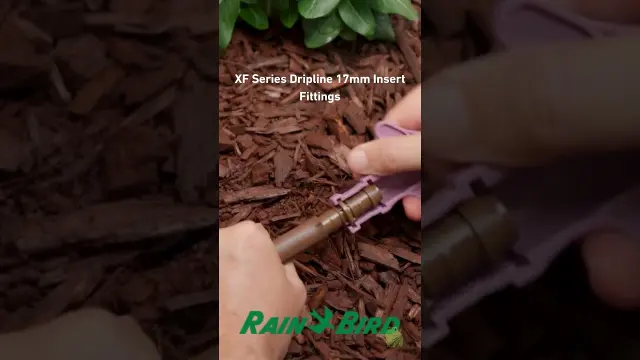
 Essential Rain Bird Drip Line Components and Setup
#Irrigation Parts
1 ideas
Essential Rain Bird Drip Line Components and Setup
Get new #Irrigation Parts ideas by email
Every Thursday: the week's best ideas, with the newest from #Irrigation Parts.
Related tags
Irrigation Parts: A Beginner's Guide to Watering Systems
Irrigation parts are the pieces that carry water from an outdoor tap to the roots of your plants in a controlled way, instead of leaving everything to a watering can and good intentions. You will find them in vegetable patches, allotments, greenhouses, flower beds, hedges and lawns, and they range from a simple length of porous hose to a full system of pipes, valves and timers. The idea behind all of them is the same: deliver the right amount of water, in the right place, without wasting it or soaking the parts of the garden that do not need it.
How a system fits together
Most setups follow a similar order. Water leaves the tap through a backflow preventer, which stops garden water from finding its way back into the household supply. From there it passes a timer or controller, a filter and often a pressure regulator, then reaches the valves that divide the garden into zones. The mainline tubing or pipe carries it onward, and the emitters, drippers or sprinkler heads at the end decide how it reaches the soil. Understanding that chain makes troubleshooting much easier, because a weak trickle at the far end is usually a problem further back.
Timers, valves and controls
Read more
Timers range from a battery-operated unit that screws onto the tap to a multi-station controller wired to solenoid valves buried in the beds. Manual taps and inline valves let you open a single zone by hand. Zones are simply groups of plants watered together, and they work best when you group plants with similar needs: thirsty vegetables apart from drought-tolerant herbs and shrubs.
Drip and micro-irrigation
Drip systems release water slowly and close to the soil, which suits beds, pots, raised planters and hedges. You will come across drip line with emitters built in at intervals, soaker hose that seeps along its length, and individual drippers pushed into the tubing. Pressure-compensating drippers deliver a more even flow along a long run, while simpler ones are cheaper and fine for short lengths. Micro-sprinklers and misters spread water over a small area and suit seedlings, ferns and greenhouse benches.
Sprinklers for lawns and open ground
Pop-up heads sit flush with the turf and rise when the water is on; rotors throw a single rotating stream further; impact sprinklers chatter as they sweep; oscillating bars cover rectangles. The choice comes down to the shape of the area and how much throw you need.
Fittings and small parts
The unsung pieces matter as much as the visible ones: barbed connectors, tees, elbows, end caps, goof plugs for a misplaced hole, stakes to hold tubing down, risers to lift a head above tall grass, clamps and replacement seals. Keep a small box of spares, because a leak in July is far less annoying when you already have the part.
Practical tips
Measure your tap's flow and pressure before buying anything, since most problems come from mismatched parts. Always flush new lines before closing the ends. Fit a filter on any drip system, and a regulator where pressure is high. Mulch over the tubing to slow evaporation, check filters and emitters now and then, and drain or empty the system before frost. Store spare parts dry and out of the sun, and label your zones so you know what you are turning on.
#Irrigation Parts: frequently asked questions
How do I start planning an irrigation setup for my garden?
Begin by measuring how much water comes out of your tap and how hard it pushes, because mismatched parts are behind most disappointing systems. Then sketch the garden and group plants that drink similarly into separate zones, so thirstier beds are not watered on the same schedule as drought-tolerant shrubs. Only after that should you pick tubing, emitters and a timer to suit the layout.
What parts do I actually need beyond the pipe and the sprinkler heads?
The small fittings do the quiet work: a backflow preventer at the tap, a filter, a pressure regulator where the supply is strong, plus connectors, tees, elbows, end caps and stakes to hold everything down. Keep a box of spares such as goof plugs, clamps and replacement seals, since a leak is far easier to fix when the piece is already on hand.
Should I choose drip irrigation or sprinklers?
Drip suits beds, pots, planters and hedges because it releases water slowly right at the soil, so little is lost to evaporation or blown onto paths. Sprinklers make more sense for lawns and open ground, where you need to cover a wide area rather than target individual plants. Many gardens end up using both, on separate zones.
How do I look after an irrigation system once it is running?
Check the filter and the emitters now and then, because a clogged filter starves everything downstream and shows up as a weak trickle at the far end of the line. Mulch over the tubing to slow evaporation and keep the sun off the plastic. Before frost arrives, drain or empty the system, and store any spare parts somewhere dry and out of direct light.
Why is the water barely coming out at the end of my line?
A weak flow at the far end usually points to a problem further back rather than at the emitter itself, so work along the chain from the tap. Look for a clogged filter, a partly closed valve, a kink in the tubing or pressure that is too high for the fittings. Flushing the lines and fitting a regulator or filter where needed solves most of these cases.
What mistakes do people make when buying irrigation parts?
The commonest is buying before measuring flow and pressure, which leads to drippers that dribble or joints that blow apart. Another is mixing plants with very different water needs in one zone, so half the bed is overwatered and half stays dry. Skipping the filter on a drip system, or forgetting to flush new lines before closing the ends, also causes trouble that is easy to avoid.
Videos come from YouTube and posts from Instagram; titles and summaries are our own. All rights belong to their creators.