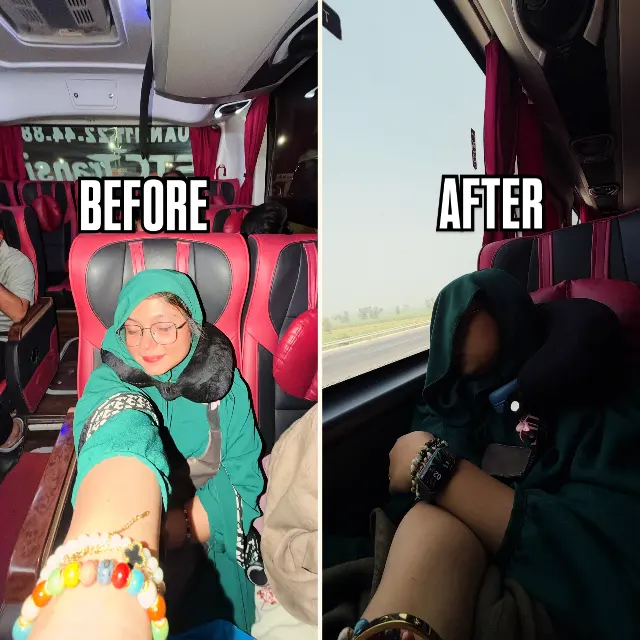
 Postcards from a first and last day in Islamabad
#Islamabad
1 ideas
Postcards from a first and last day in Islamabad
Get new #Islamabad ideas by email
Every Thursday: the week's best ideas, with the newest from #Islamabad.
Related tags
Islamabad: A Guide to Pakistan's Planned Capital
Islamabad is the capital of Pakistan, and it is unusual among great cities in that it was imagined on paper before it was built. Rather than growing outward from an old marketplace over centuries, it was planned as a whole: wide roads, numbered neighbourhoods, generous green space and low buildings set against a backdrop of wooded hills. Its older, denser twin city, Rawalpindi, sits immediately to the south, and the two are so closely linked that locals speak of them almost as one place.
A city drawn before it was lived in
The capital was created in the mid-twentieth century to replace Karachi, and planners from several countries contributed to its design. The result is a grid of sectors, each labelled with a letter and a number, holding a mix of homes, shops, schools, clinics and small parks so that daily life stays within walking distance of where you sleep. Between the residential sectors lie distinct zones: the government district, the diplomatic quarter, the university area and the commercial centres. Understanding this logic makes the city far easier to navigate — addresses are less about street names and more about which sector you are heading to.
The landscape that shapes it
Read more
The Margalla Hills rise steeply along the northern edge, protected as a national park and laced with walking trails that reward you with views over the whole city. Lookout points along the ridge road are popular in the late afternoon, when the haze softens and the rooftops turn gold. The city has pronounced seasons: a mild, pleasant spring when the hillsides flower, a hot summer, a monsoon that turns everything vividly green, and a cool winter that occasionally brings mist and light rain.
What to see
The national mosque is the city's emblem, a vast white marble structure on a raised platform beneath the hills, open to visitors outside prayer times. Elsewhere you can find museums of heritage and natural history, a lake with walking paths, and an old village restored as a warren of craft workshops, courtyards and small cafes. Just beyond the city, the archaeological site of Taxila preserves the remains of ancient Gandhara, while the hill town of Murree offers cooler air and mountain views.
Eating and everyday rhythm
Food in Islamabad is often a reason to cross the city. Street stalls and simple roadside kitchens serve grilled meats, flatbreads, rice dishes and endless cups of milky tea, while Rawalpindi's bazaars are the place to go for older, busier food streets. Evenings are family time: parks fill up, and the scent of charcoal smoke drifts from open-air grills.
Practical tips for a first visit
- Dress modestly. Covering shoulders and knees is appreciated, and a light scarf is useful in religious buildings.
- Remove your shoes before entering a mosque, and follow any signs about where visitors may walk.
- Fridays have a slower rhythm, with many businesses closing around midday prayers.
- Drink bottled or filtered water, and be cautious with raw food from street stalls until your stomach adjusts.
- Distances between sectors are long and pavements are not always continuous, so plan to use taxis or ride-hailing apps.
- Summers are genuinely hot: shift your outings to early morning and evening, and carry water.
Come without expecting the density and noise of an older metropolis. Islamabad's pleasure is its openness — the sense of a city that left room to breathe.
#Islamabad: frequently asked questions
How do I start planning a visit to Islamabad?
Begin by deciding what kind of trip you want, because the city rewards openness rather than a packed checklist: some people come for the hills and viewpoints, others for the mosques, museums and food. Once you know that, look at a map of the sectors so you understand how the neighbourhoods sit in relation to the government district, the diplomatic quarter and the commercial centres. Give yourself a day or two just to wander rather than scheduling every hour.
What should I know about dress and behaviour before I go?
Dress modestly, keeping shoulders and knees covered, and carry a light scarf that you can put on in religious buildings. Shoes come off before entering a mosque, and it is worth following any signs about where visitors may walk. Fridays move at a slower pace, with many businesses shutting around midday prayers, so plan shopping and errands around that.
Which part of the city is best to stay in?
The capital is laid out as a grid of self-contained sectors, each with homes, shops, schools and a small park, so almost anywhere you stay will have the basics within walking distance. Choose a sector near the hills if you want views and easy access to trails, or one closer to the commercial centres if you would rather be near restaurants and shops. Addresses are organised by sector rather than street name, so confirm the sector before you book.
How do I get around Islamabad?
Distances between sectors are long and pavements are not always continuous, so most visitors rely on taxis or ride-hailing apps rather than trying to walk everywhere. Navigation is easier once you stop thinking in street names and start thinking in sectors. If you are heading out in summer, travel in the early morning or evening when the heat is gentler.
What are the common mistakes first-time visitors make?
The biggest one is arriving with the expectations of an older, denser metropolis and being surprised by how spread out and quiet the city feels. Others underestimate the distances between sectors, or try to sightsee through the middle of a hot summer day instead of shifting outings to the cooler hours. Carry water and be cautious with raw food from street stalls until your stomach has adjusted.
What is a good way to spend an afternoon and evening?
Head for the hills along the northern edge in the late afternoon, when the light softens and the views open up over the rooftops. Later, join the evening rhythm that locals favour: parks fill with families and the smell of charcoal smoke drifts from open-air grills. If you want older, busier food streets, the neighbouring city to the south is where to find them.
Videos come from YouTube and posts from Instagram; titles and summaries are our own. All rights belong to their creators.