 A Walking Tour Through the Streets of Israel
#Israel
4 ideas
A Walking Tour Through the Streets of Israel
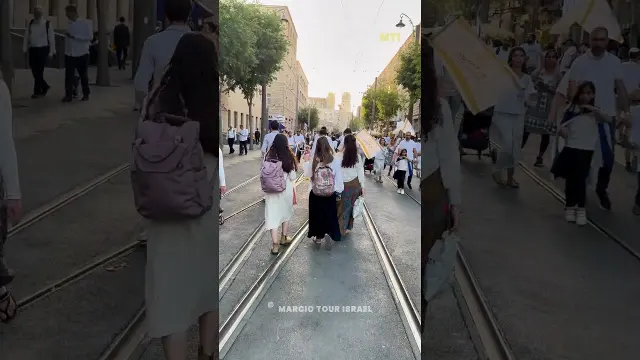 Old City of Jerusalem: The Western Wall and Its Pilgrims
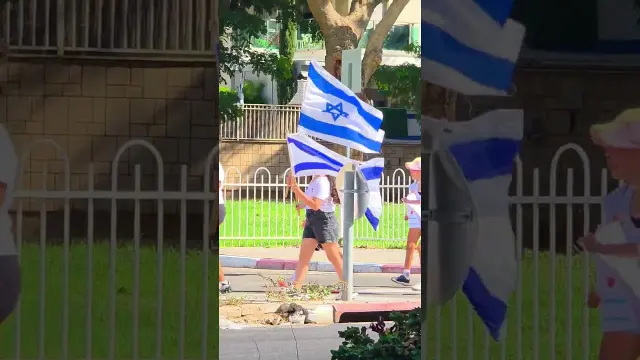 A Quiet Walking Tour Through the Streets of Israel
 Exploring the Mediterranean City of Tel Aviv in Israel
Get new #Israel ideas by email
Every Thursday: the week's best ideas, with the newest from #Israel.
Related tags
Israel: A Country of History, Culture, and Landscapes
Israel is a small country in the eastern Mediterranean, shaped by ancient history, diverse communities, and varied landscapes. It sits at the meeting point of Europe, Asia, and Africa, which has made it a crossroads of trade, religion, language, and culture for thousands of years. For many people, Israel is both a modern state and a place deeply connected to the stories, traditions, and sacred sites of Judaism, Christianity, and Islam.
A country with many layers
Israel combines coastal cities, fertile inland areas, desert, and mountain regions. Along the Mediterranean coast you find busy urban life, beaches, and a mild climate. Inland, the landscape rises into hills and highlands, while the south opens into the Negev Desert, with wide open spaces and dramatic rock formations. This mix of environments is one reason the country feels so varied within a relatively small area.
The population is equally diverse. People in Israel may come from long-established local families or from communities that arrived from many parts of the world. As a result, you can encounter different languages, customs, cuisines, and religious traditions in the same city. Hebrew and Arabic are central languages in everyday life, alongside other languages spoken by different communities.
Read more
History and heritage
Israel’s cultural identity is closely tied to the ancient history of the region. Archaeology, religious tradition, and historical memory all play an important role in how the country is understood. Ancient cities, stone walls, old markets, and sacred places reflect layers of civilization that have passed through the land over centuries. If you are interested in history, Israel offers many places where the past is visible in daily life.
At the same time, Israel is also a modern country with contemporary cities, universities, museums, and technology. This combination of old and new is part of its character. In one place you may see traditional neighborhoods, active religious life, and modern architecture side by side.
What to know as a visitor
If you are planning to visit, it helps to think of Israel as a place of contrasts. Tel Aviv is known for its urban energy, coastline, and creative atmosphere. Jerusalem is central to religious and historical life, with a more layered and reflective mood. Other regions offer nature, farming landscapes, desert scenery, and quieter towns.
Some practical tips make travel easier:
- Dress modestly when visiting religious sites.
- Plan for warm weather in many areas, especially inland and in the south.
- Be respectful of local customs, especially around sacred places and holidays.
- Leave time to explore both famous landmarks and everyday neighborhoods, since both reveal something important about the country.
Food, culture, and daily life
Israeli food reflects many traditions brought by different communities. You will often find fresh salads, breads, grains, vegetables, legumes, and dishes influenced by Middle Eastern, Mediterranean, and Jewish culinary traditions. Food is often a good way to understand the country’s blend of histories.
Israel is best understood as a place of connections: between continents, between ancient tradition and modern life, and between many different cultural identities. If you are learning about it or visiting for the first time, approach it with curiosity and patience. The country reveals itself gradually, through its landscapes, its people, and its long memory.
#Israel: frequently asked questions
How should I start exploring Israel for the first time?
A good first step is to think of Israel as a place with very different moods in one country: lively coastal areas, historic sacred cities, and quieter desert landscapes. Start with a broad mix so you can see both the modern everyday side and the older cultural layers that shape the country.
What should I wear or bring when visiting religious places in Israel?
Choose modest clothing when you plan to enter religious sites, and bring comfortable shoes for walking on stone streets and uneven paths. It also helps to carry water and a light layer, since weather and settings can change from coast to inland or desert areas.
Which part of Israel should I choose for a more relaxed visit?
If you want a relaxed atmosphere, look for coastal areas, smaller towns, or regions with nature and open landscapes. These places often feel calmer than the busiest city centers and let you enjoy local life at a slower pace.
What kind of food should I expect in Israel?
Israeli food is usually fresh, colorful, and shaped by many traditions, so you will often see salads, breads, grains, vegetables, and hearty shared dishes. It is a good place to try a mix of Mediterranean and Middle Eastern flavors rather than one single style of cooking.
What are common mistakes people make when visiting Israel?
A common mistake is treating it like one uniform place instead of a country with many cultures, customs, and landscapes. Another is rushing through only famous landmarks and missing the everyday streets, markets, and neighborhood life that give the country much of its character.
Videos come from YouTube and posts from Instagram; titles and summaries are our own. All rights belong to their creators.