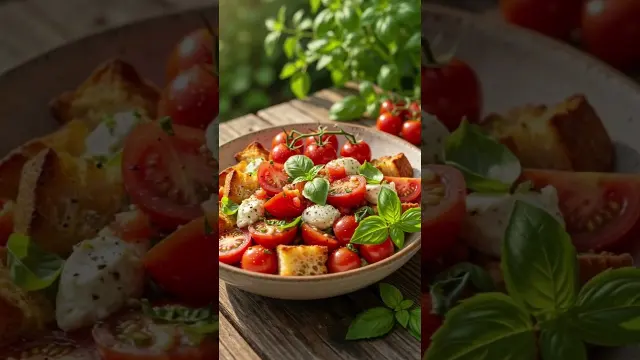
 Crispy Panzanella Caprese Salad with Toasted Bread
#Italian Recipe
3 ideas
Crispy Panzanella Caprese Salad with Toasted Bread
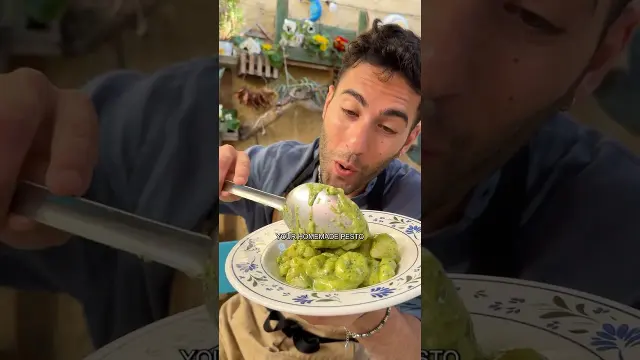 Homemade Potato Gnocchi With Fresh Basil Pesto
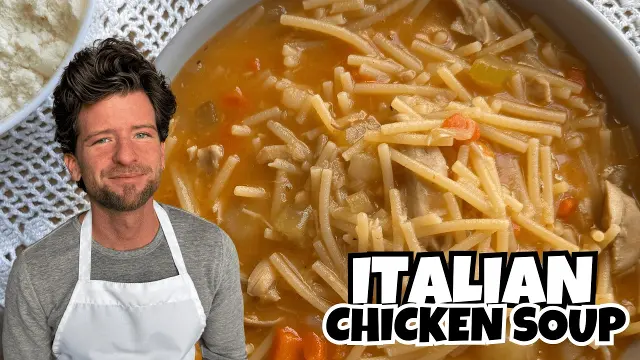 Thick And Hearty Italian Grandma Style Chicken Soup
Get new #Italian Recipe ideas by email
Every Thursday: the week's best ideas, with the newest from #Italian Recipe.
Related tags
Italian Recipes
Italian cooking is one of the world’s most loved food traditions because it is generous, varied, and rooted in everyday ingredients. When people talk about Italian recipes, they may mean a simple bowl of pasta, a rustic soup, a slow-cooked sauce, a crisp pizza, or a delicate dessert. The cuisine developed over centuries in different regions of Italy, so there is no single “Italian style” of cooking. Instead, it is a collection of local traditions shaped by climate, landscape, and family habit.
What defines Italian recipes
At the heart of Italian cooking is respect for good ingredients. Many dishes use olive oil, tomatoes, garlic, onion, herbs, cheese, rice, beans, bread, and seasonal vegetables. Meat and seafood are common too, but often in modest amounts, used to flavor a dish rather than dominate it. Italian recipes are usually built around balance: rich with fresh, bright, and savory elements working together.
You will also find a strong tradition of making humble ingredients feel special. A few vegetables, a bit of broth, or leftover bread can become a satisfying meal. That is one reason Italian food feels so comforting and timeless.
Read more
Common kinds of Italian dishes
Italian recipes cover many different types of dishes:
- Pasta dishes, from long noodles to stuffed shapes
- Risottos, made with short-grain rice cooked slowly until creamy
- Soups and stews, often full of vegetables, beans, or grains
- Pizza and flatbreads
- Casseroles and baked dishes
- Antipasti, or starters such as marinated vegetables, cheeses, and cured foods
- Desserts, from simple cakes to cream-filled or layered sweets
Pasta is especially flexible. It may be served with tomato-based sauces, olive oil and vegetables, cheese, meat ragù, or seafood. In many homes, the sauce is matched to the shape of the pasta, so the dish feels harmonious rather than complicated.
Regional variety
Italy’s regions each have their own food traditions. Northern dishes often use butter, rice, polenta, and richer sauces, while southern cooking tends to feature tomatoes, olive oil, vegetables, legumes, and pasta. Coastal areas lean toward seafood, and mountain regions often rely on hearty soups, cheese, and preserved foods. This regional diversity is part of what makes Italian recipes so interesting to explore.
What beginners should know
If you are new to Italian cooking, start with simple recipes and learn the basics well. A few useful habits go a long way:
- Cook pasta until it is tender but still has a little bite
- Taste as you go, especially with salt, herbs, and acid
- Use fresh ingredients when possible, but keep recipes unfussy
- Save some pasta water to help sauces cling and loosen
- Let simple flavors shine instead of adding too many extras
Italian recipes are often forgiving, but timing matters. Many dishes improve when each ingredient is cooked just enough and combined at the right moment.
A comfortable, practical style of cooking
You do not need elaborate methods to cook Italian food well. A good sauce, a well-seasoned soup, or a tray of baked vegetables can feel complete and satisfying. If you focus on quality ingredients, clear flavors, and steady technique, you will find that Italian recipes are as much about everyday comfort as they are about tradition.
Videos come from YouTube and posts from Instagram; titles and summaries are our own. All rights belong to their creators.