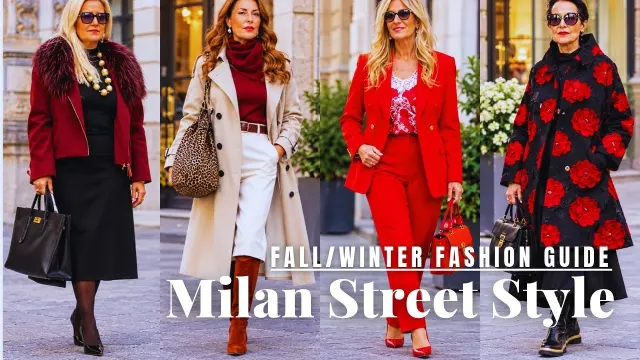
 Italian Street Style for Autumn and Winter: Elegant Outfit Ideas
#Italian Street Style
2 ideas
Italian Street Style for Autumn and Winter: Elegant Outfit Ideas
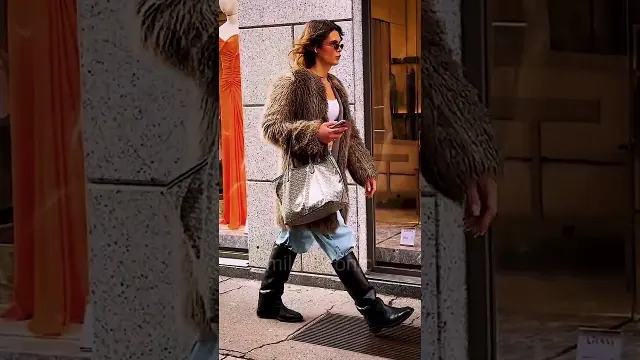 Milan Street Style Inspiration: Elegant Italian Looks
Get new #Italian Street Style ideas by email
Every Thursday: the week's best ideas, with the newest from #Italian Street Style.
Related tags
Italian Street Style: Everyday Elegance, Explained
Italian street style is the way people dress in the streets, squares and cafés of Italy's cities — not a runway look, but a daily practice. Ask Italians about it and the word that surfaces is sprezzatura: the art of making effort look effortless. The aim is never to appear overdressed or underdressed, but simply well put together, as though nothing were being tried at all.
Its roots are in a culture where appearance is a form of respect — for yourself and for the people you meet. Good tailoring has long been part of ordinary life rather than a luxury reserved for occasions, and that inheritance still shapes how people dress for a coffee, a train ride or a walk through town.
What it looks like
The palette tends to be quiet: navy, cream, camel, grey, black, olive, white. Colour arrives in one considered place — a scarf, a bag, a pair of shoes — rather than everywhere at once. Fabric matters more than pattern, and fit matters more than either. A simple shirt that sits properly at the shoulder will always beat an elaborate piece that does not.
Read more
The regional accents
Italy is not one style. Milanese dressing is polished and urban, leaning toward sharp tailoring, clean lines and darker tones. Rome is softer and warmer, more relaxed in cut and quicker to embrace a sunlit colour. Florence and its surroundings carry a leather-and-craft feeling, visible in bags, belts and shoes. Naples and the south have a gentler tailoring tradition — softer shoulders, lighter fabrics, a little more ease in the silhouette.
Pieces that carry the look
- A well-cut blazer, worn over almost anything, including jeans.
- Straight-leg trousers or dark denim, hemmed to the right length.
- Leather shoes or loafers, kept clean; sneakers only when genuinely minimal.
- A fine knit in a neutral tone, layered over a collared shirt.
- One good bag with structure, and sunglasses that suit your face rather than the moment.
- A silk scarf or a simple piece of jewellery as the single point of interest.
What beginners should know
Start by editing rather than adding. Most Italian-looking outfits are built from few items, each in good condition, worn with intention. Learn what a correct hem and sleeve length look like on you, and have those adjusted — this one habit does more than any purchase. Keep shoes and bags in repair. Iron your clothes.
Avoid wearing several statement pieces at once, logos as decoration, and outfits that look uncomfortable. Ease is the whole point; if you are visibly fussing with what you are wearing, the effect is lost.
Practical habits
Dress for the weather and the occasion, and let the season guide fabric: linen and light cotton in heat, wool, cashmere and corduroy in cold. Layer in autumn and spring so the outfit can be adjusted through the day. Grooming counts as part of the look — clean hair, tidy nails, a fragrance worn lightly.
Above all, treat getting dressed as a small daily pleasure rather than a performance. Italian street style is less a wardrobe than an attitude: care, restraint, and a quiet confidence in what you chose to put on.
#Italian Street Style: frequently asked questions
What actually is Italian street style?
It's the everyday way Italians dress on the street, in the piazza and at the café rather than anything staged for a runway. The guiding idea is sprezzatura — looking well put together while seeming to have made no effort at all. It comes from a culture where dressing properly is a form of respect, so good tailoring is treated as ordinary rather than reserved for special occasions.
How do I get started if I'm a beginner?
Begin by editing rather than buying — most convincing outfits come from a small number of pieces in good condition. Have your hems and sleeve lengths adjusted so they sit correctly on you, since fit does more than any new purchase. Then keep shoes and bags repaired and your clothes ironed; those habits carry more than the clothes themselves.
Which pieces are worth having first?
A well-cut blazer you can wear over nearly anything, straight-leg trousers or dark denim, and clean leather shoes or loafers form the base. Add a fine neutral knit layered over a collared shirt, one structured bag, and a single considered accent such as a silk scarf or a piece of jewellery. Aim for few items, each in good shape, worn deliberately.
Should I follow Milan style or another region's look?
Italy doesn't have one uniform way of dressing, so it's worth learning the difference and picking what suits you. Milan leans sharp, clean-lined and darker; Rome is softer, warmer and quicker to use colour; Florence carries a leather-and-craft feeling; the south favours gentler shoulders and lighter fabrics. Choose the accent that fits your own climate and build rather than copying a single city outright.
What are the most common mistakes people make?
The usual slips are wearing several statement pieces at once and using logos as decoration. The other, more subtle one is looking uncomfortable — visibly adjusting or fussing with an outfit undoes the whole effect. Ease is the point, so leave some room and take one thing off before you go out.
How do I adapt the look to an occasion or a change of season?
Let the weather and the occasion choose the fabric first: linen and light cotton when it's warm, wool and heavier textures when it's cold. Layering through autumn and spring lets you adjust the same outfit across the day. Keep the palette quiet and let one element — a scarf, a bag, a pair of shoes — carry the colour.
Videos come from YouTube and posts from Instagram; titles and summaries are our own. All rights belong to their creators.