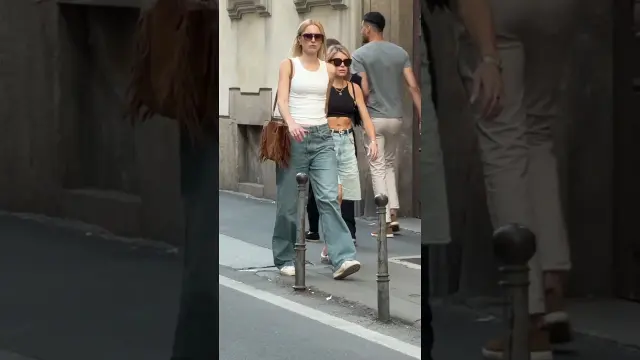
 Italy Spring Street Fashion and Classy Lookbook
#Italian Tailoring
1 ideas
Italy Spring Street Fashion and Classy Lookbook
Get new #Italian Tailoring ideas by email
Every Thursday: the week's best ideas, with the newest from #Italian Tailoring.
Related tags
Italian Tailoring: Elegant Craft and Fit
What Italian tailoring is
Italian tailoring is the art of making clothes with a strong focus on fit, line, and ease of movement. It is most closely associated with suits, jackets, coats, and fine menswear, but the same principles also shape women’s tailoring and made-to-measure garments. At its best, Italian tailoring balances structure with softness, so clothing looks polished without feeling stiff.
The tradition comes from Italy’s long history of skilled dressmaking and handcraft. Different regions developed their own approaches, but many Italian tailors are known for light construction, graceful shoulders, and an elegant silhouette that follows the body naturally. Rather than relying on heavy padding, the emphasis is often on careful cutting and precise finishing.
Main features and styles
Read more
Italian tailoring is usually recognisable for a clean, refined shape. Jackets may have softer shoulders than other tailoring traditions, a slightly narrower waist, and a fluid drape. The overall effect is smart but relaxed.
Some common qualities include:
- A close but comfortable fit
- Smooth lines through the chest, waist, and sleeve
- Fine stitching and neat internal finishing
- Attention to proportion, so the garment works with the body rather than against it
Italian tailoring can range from formal and structured to easy and lightweight. A formal suit may feel sharp and defined, while a summer jacket may be unlined or lightly lined for comfort. The same approach can also appear in shirts, trousers, blazers, and dresses made with careful shaping.
Fabrics and construction
Fabric choice matters a great deal in tailoring. Italian garments are often made from wool, cotton, linen, silk blends, or mixed fabrics chosen for their drape and feel. Heavier fabrics create a more formal presence, while lighter ones work well for warmer weather and softer silhouettes.
Construction is just as important as the fabric. A well-tailored garment usually has:
- Balanced seams
- Smooth collar and lapel lines
- Even hems
- Clean topstitching
- A lining or inner structure that supports the shape
Some tailoring uses more hand-finishing, which can improve comfort and fit, but the real measure is how the garment sits on the body. Good tailoring should allow you to move easily while keeping a composed outline.
What to look for as a beginner
If you are new to tailoring, start with fit. The shoulder should sit naturally, the sleeve length should feel intentional, and the waist should be shaped without pulling. When trying on tailored clothes, raise your arms, sit down, and walk a little to see how the garment behaves in daily movement.
A few useful habits:
- Choose quality fabric before chasing labels
- Pay attention to the shoulder and collar first
- Look for clean seams and secure buttons
- Leave enough room for comfort and simple alterations
- Keep the rest of the outfit simple so the tailoring stands out
How to wear it well
Italian tailoring works beautifully with classic basics. A tailored jacket can be worn with trousers, skirts, shirts, knits, or simple dresses. The key is balance: if the garment is structured, keep the rest of the look easy; if it is soft and relaxed, let the cut do the work.
Above all, Italian tailoring is about elegance through proportion, craftsmanship, and confidence. When it is done well, it feels timeless rather than formal, and that is part of its lasting appeal.
Videos come from YouTube and posts from Instagram; titles and summaries are our own. All rights belong to their creators.