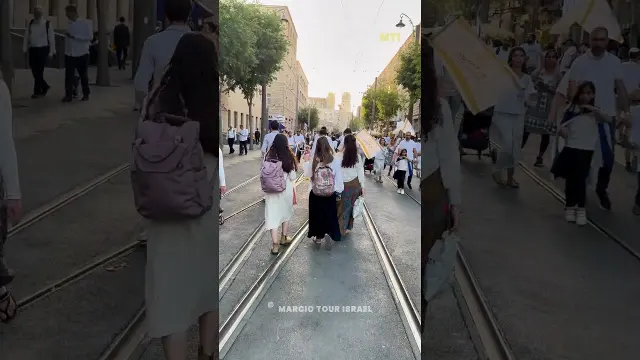
 Old City of Jerusalem: The Western Wall and Its Pilgrims
#Jerusalem
1 ideas
Old City of Jerusalem: The Western Wall and Its Pilgrims
Get new #Jerusalem ideas by email
Every Thursday: the week's best ideas, with the newest from #Jerusalem.
Related tags
Jerusalem: An Introduction to the Old City
Jerusalem is a hill city between the Mediterranean coast and the Jordan Valley, built largely of a pale limestone that takes on the colour of the light — gold at sunset, almost white at noon. It is one of the oldest continuously inhabited places in the region and, more than most cities, it is read as much through scripture and memory as through maps. For Jews, Christians and Muslims alike it holds sites of central religious importance, and that density of meaning is what a visitor feels first: ordinary streets where faith, commerce and family life run together.
A city of layers
Almost every street sits on top of earlier ones. Excavations and building work regularly turn up cisterns, paving, mosaic floors and fragments of walls, and the modern city has learned to build around and above what it finds. The result is a place where you can walk in a single afternoon past masonry from several very different periods without any of it being labelled as a monument.
The quarters of the Old City
The walled Old City is traditionally described in four quarters, though the divisions are looser in practice than the names suggest.
- The Muslim Quarter is the largest and busiest, a grid of market lanes, workshops and courtyards.
- The Christian Quarter clusters around the Church of the Holy Sepulchre, with hospices, monasteries and small shops.
- The Armenian Quarter is quieter, centred on a cathedral and a community with its own long history in the city.
- The Jewish Quarter was largely rebuilt in the last century, and mixes homes, study houses and archaeological remains.
The walls that still ring the Old City, with their gates and towers, date from the Ottoman period. They are best understood as the shell of the historic core rather than the edge of the modern city, which spreads well beyond them.
Read more
Sacred ground
Three sites draw most of the world's visitors. The Western Wall, a surviving retaining wall of the ancient Temple platform, is a place of prayer where worshippers leave written notes between the stones. The Church of the Holy Sepulchre shelters the traditional sites of the crucifixion and burial, shared among several Christian communities whose rights over the building are famously intricate. The Haram al-Sharif, or Temple Mount, holds the Dome of the Rock and the al-Aqsa Mosque and is among the most sensitive pieces of ground anywhere. Each has its own etiquette and hours; ask locally rather than assuming.
Markets, food and craft
The Old City's bazaars are the working heart of the place: spice stalls, sweets, coffee, leather, ceramics, textiles and olive-wood carvings. Food is plain and good — hummus, falafel, grilled meat, breads, sesame pastries, and strong coffee served in small cups. Outside the walls, the newer western districts have their own markets and cafés, and the Mount of Olives offers the classic view back over the whole panorama.
Before you go
- Dress modestly, covering shoulders and knees; it matters in all the quarters.
- Wear shoes you trust on worn, uneven stone and steep stairways.
- Carry water and expect to walk more than you planned.
- Note that Friday afternoons, Saturdays and religious festivals change the rhythms of whole streets.
- Ask before photographing people, and never during prayer.
- Slow down. The city rewards standing still more than ticking off sites.
#Jerusalem: frequently asked questions
How should a first-time visitor plan a walk through Jerusalem's Old City?
Treat the Old City as a set of quarters to wander rather than a checklist — the Muslim Quarter's market lanes, the Christian Quarter around the Church of the Holy Sepulchre, the quieter Armenian Quarter and the rebuilt Jewish Quarter all sit inside the same walled core. Pick one or two focus points for the day and let the lanes between them fill in the rest. Wear shoes you trust on worn stone, carry water, and expect to walk further than you intended.
What should I wear and how should I behave at the Western Wall and other sacred sites?
Modest dress with shoulders and knees covered is the safe standard everywhere in the city, not just inside places of worship. At the Western Wall, worshippers come to pray and leave written notes between the stones, so keep voices low, step back from anyone praying, and never photograph people during prayer. Each site keeps its own hours and etiquette, so ask locally rather than assuming they match.
Which quarter of the Old City is best for shopping and food?
The Muslim Quarter is the busiest and most commercial, a grid of stalls selling spices, sweets, coffee, leather, ceramics, textiles and olive-wood carvings. The Christian Quarter adds small shops and hospices around its church, and the newer districts outside the walls have their own markets and cafés. Food is plain and good — hummus, falafel, grilled meat, breads, sesame pastries and strong coffee in small cups.
Why does Jerusalem look so different from other historic cities I have visited?
The city is built largely of a pale local limestone that changes colour with the light, so the streets read almost white at midday and gold at sunset. It also sits directly on top of its own past: building and excavation regularly turn up cisterns, paving, mosaic floors and old walls, and the modern city builds around and above them. You can pass masonry from very different periods in a single afternoon without any of it being marked as a monument.
What are the most common mistakes visitors make in Jerusalem?
The usual ones are over-scheduling, dressing too lightly for sacred ground, and forgetting how much walking uneven stone and steep stairways involve. Another is ignoring the calendar — Friday afternoons, Saturdays and religious festivals reshape the rhythm of whole streets. Slow down instead: the city rewards standing still far more than rushing between sites.
Where can I get the classic view over Jerusalem?
The Mount of Olives, outside the walls, gives the familiar panorama back across the Old City and its gates and towers. Go with time to spare rather than as a quick stop, since the view is the point. Remember that the Ottoman walls are the shell of the historic core, not the edge of the modern city, which spreads well beyond them.
Videos come from YouTube and posts from Instagram; titles and summaries are our own. All rights belong to their creators.