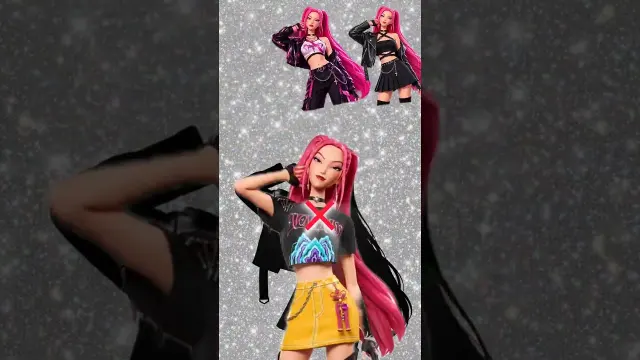
 K-Pop Inspired Doll Lookbook And Outfit Ideas
#K-Pop Style
1 ideas
K-Pop Inspired Doll Lookbook And Outfit Ideas
Get new #K-Pop Style ideas by email
Every Thursday: the week's best ideas, with the newest from #K-Pop Style.
Related tags
K-Pop Style: A Guide to the Idol-Inspired Look
K-pop style is less a single outfit than a way of dressing. In South Korean pop music, a group's clothes are designed alongside the song, the choreography and the video, so every release arrives with its own visual "concept" — and the styling changes completely from one era to the next. That constant reinvention is the heart of the look: one moment preppy uniforms, the next oversized streetwear, the next sharp tailoring in a single colour. Fans follow the concepts closely, and the outfits travel outward through photos, videos and the outfits people put together themselves.
The main aesthetics
- School-inspired: pleated skirts, blazers, knit vests, knee socks, crests and ties, worn slightly undone rather than neat.
- Streetwear and sportswear: oversized hoodies, cargo trousers, track jackets, layered T-shirts and chunky trainers.
- Monochrome tailoring: matching suits and sets in one palette, defined shoulders, clean lines, minimal jewellery.
- Soft and romantic: cardigans, lace, ribbons, pastels and floaty layers, often mixed with something heavier.
- Editorial and futuristic: leather, metallic finishes, structured outerwear and unusual silhouettes, styled for photographs.
Most real outfits blend two of these. A tailored blazer over a hoodie, or a pleated skirt with heavy boots, is closer to the spirit than any single category worn head to toe.
Read more
Hair, makeup and finishing touches
Hair and makeup work as the frame for the outfit: glossy, healthy-looking hair in a style that suits the concept, and skin-focused makeup with one clear feature — a defined eye, a tinted lip — rather than everything at once. Be kind to your hair and skin. Frequent bleaching or tight styling damages both, so give hair rest between treatments, use gentle products, and treat strong colour as an occasional choice rather than a routine. Accessories do a lot of the work here: hair clips, berets, small structured bags, layered fine jewellery and a belt that pulls a loose outfit together.
Practical tips for beginners
Start with one concept rather than stacking several. Decide on a single mood — soft, sharp, sporty — and build the outfit around it.
Fit and proportion matter more than labels. K-pop styling often plays with volume: something loose balanced by something fitted, a cropped top with high-waisted trousers, an oversized jacket over a short hem. Try pieces on and check the line in a mirror rather than trusting the size on the tag.
Work with what you already own. A plain white shirt, a blazer, a pleated skirt, dark trousers, a hoodie and a pair of chunky shoes cover an enormous amount of ground. Second-hand and vintage shops are ideal for uniform pieces, knitwear and tailoring.
Keep comfort and weather in mind. Stage outfits are built for cameras and short performances, not for a full day of walking. Choose shoes you can actually wear, and layer so you can adapt to the temperature.
Finally, treat this as a fashion vocabulary rather than a costume. Take the elements that suit you, leave the rest, and let the confidence in the styling do the rest of the work.
#K-Pop Style: frequently asked questions
How do I start building a K-pop style outfit if I've never tried it before?
Pick a single mood first — soft, sharp or sporty — and build the whole outfit around that one idea instead of mixing several looks at once. Pull from what you already own, such as a plain shirt, a blazer, dark trousers or a hoodie, and add one element that signals the concept. The goal is a coherent look rather than a costume.
Which K-pop aesthetic should I choose for my body type and everyday life?
Choose by the silhouette you feel best in rather than by trend: school-inspired looks and monochrome tailoring suit people who like clean lines, while streetwear and soft romantic layers favour those who prefer volume and movement. Try pieces on and judge the line in a mirror, since fit and proportion matter far more than the size on the tag. Most convincing outfits actually blend two aesthetics, so treat the categories as vocabulary rather than rules.
What pieces are essential to have in a K-pop style wardrobe?
A white shirt, a blazer, a pleated skirt, dark trousers, an oversized hoodie and a pair of chunky shoes will cover a huge range of concepts on their own. Accessories finish the job — hair clips, a beret, a small structured bag, fine layered jewellery and a belt that pulls a loose outfit together. Second-hand and vintage shops are good places to find uniform pieces, knitwear and tailoring cheaply.
How do I keep my hair and skin healthy when recreating idol-style beauty looks?
Treat strong colour and frequent bleaching as an occasional choice rather than a routine, and give hair real rest between treatments. Use gentle products, avoid tight styling that pulls on the scalp, and keep makeup skin-focused with one clear feature instead of layering everything at once. If you have a scalp, skin or hair-loss concern, ask a qualified professional rather than following styling advice online.
What kind of occasion can I wear a K-pop inspired outfit to?
These looks translate well to concerts, parties, themed nights out, photo shoots and casual weekends with friends, especially when you keep the styling confident but relaxed. For a full day of walking, swap stage-style shoes for something comfortable and layer so you can adapt to the temperature. For school, work or formal events, take just one element — a blazer, a pleated skirt — and keep the rest simple.
What are the most common mistakes people make with K-pop style?
The usual one is stacking too many concepts at once, which reads as a costume rather than an outfit. Another is ignoring proportion, so everything is oversized or everything is tight instead of balancing loose with fitted. Copying a stage look head to toe without adapting it to real weather, comfort or your own taste is the third — take the elements that suit you and leave the rest.
Videos come from YouTube and posts from Instagram; titles and summaries are our own. All rights belong to their creators.