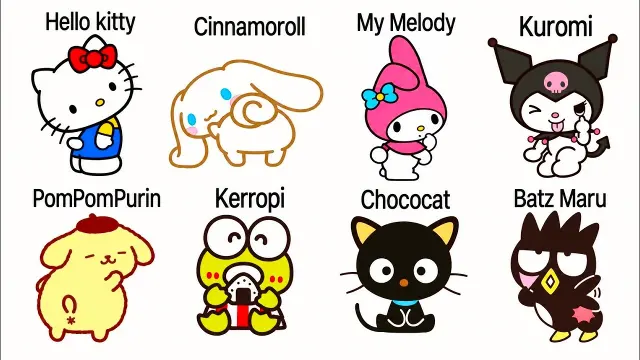
 In-Depth Guide and History of the Most Popular Sanrio Characters
#Kawaii
1 ideas
In-Depth Guide and History of the Most Popular Sanrio Characters
Get new #Kawaii ideas by email
Every Thursday: the week's best ideas, with the newest from #Kawaii.
Related tags
Kawaii Style and Culture
Kawaii is a Japanese word that means cute, lovable, or endearing, but it has grown into much more than a single adjective. It describes a wide visual language built around softness, innocence, playfulness, and charm. You can see it in fashion, illustration, stationery, character design, home decor, and everyday objects. At its heart, kawaii is about making things feel friendly and approachable.
The idea developed in Japan and became especially visible in youth culture, pop media, and design. Over time, it spread far beyond its original setting and became a recognizable aesthetic around the world. Kawaii can be sweet and childlike, but it can also be stylish, polished, or even a little ironic. What matters most is the feeling it creates: something that invites affection rather than distance.
What Kawaii Looks Like
Kawaii style often uses soft colors, rounded shapes, and gentle expressions. Common visual features include:
- Pastel or light color palettes
- Small, rounded details
- Hearts, stars, bows, and animals
- Big eyes or simple, expressive faces
- Soft textures and plush materials
- Playful accessories and decorative layering
Read more
Kawaii does not have to be loud or packed with decoration. It can be very simple, with just one or two sweet details. It can also be highly detailed and colorful. The style is flexible, which is part of its charm.
Main Forms of Kawaii
Kawaii appears in many different forms. In fashion, it may include frilly dresses, oversized tops, ribbons, knee socks, cardigans, or cute accessories. In illustration and design, it often shows up in mascots, chubby characters, and smiling faces. In interiors, it can mean soft textiles, pastel accents, playful prints, and decorative objects that bring warmth to a room.
There are also related expressions and substyles, from very innocent and childlike looks to more polished or character-driven versions. Some people use kawaii in a subtle way, adding only a few cute elements to an otherwise simple style. Others embrace the full aesthetic with bold color, layering, and carefully chosen accessories.
How to Use Kawaii in Everyday Life
If you are new to kawaii, start small. Choose one or two elements that feel natural to you. A soft color, a bow, a printed bag, or a cute notebook can be enough to create the mood. You do not need to copy a whole look to enjoy the style.
A helpful approach is to balance sweetness with simplicity. Too many competing details can make an outfit or space feel crowded, while one clear theme can feel calm and intentional. Try repeating one or two colors, mixing textures gently, and choosing shapes that feel rounded or friendly.
Practical Tips
- Pick a color palette before adding details.
- Use cute accents to complement your style, not replace it.
- Mix soft items with practical basics for comfort.
- In decor, leave some empty space so the cute details stand out.
- Choose materials and accessories that you enjoy using often, not just looking at.
Kawaii is best understood as a feeling of kindness made visible. Whether you use it in fashion, art, or your home, it works when it feels warm, personal, and sincere.
Videos come from YouTube and posts from Instagram; titles and summaries are our own. All rights belong to their creators.