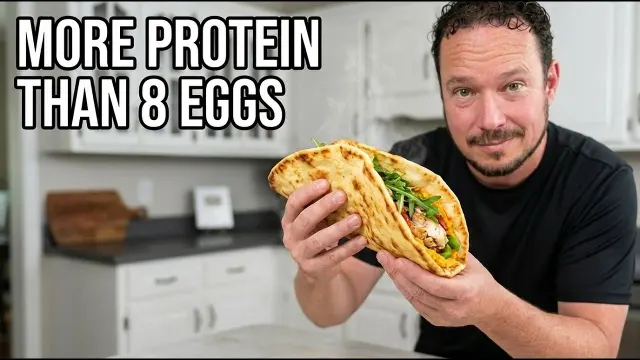
 High Protein Cottage Cheese Flatbread Wrap Idea
#Keto
2 ideas
High Protein Cottage Cheese Flatbread Wrap Idea
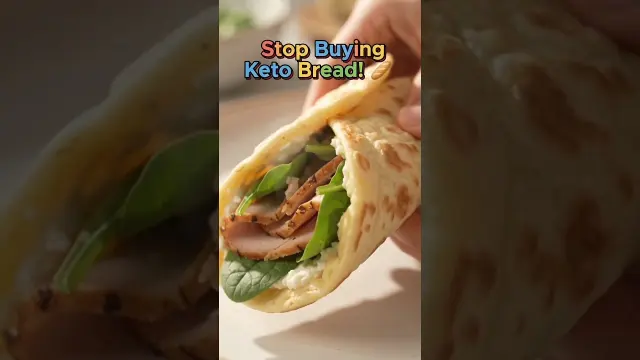 Two Ingredient Cottage Cheese Flatbread Recipe
Get new #Keto ideas by email
Every Thursday: the week's best ideas, with the newest from #Keto.
Related tags
Keto Diet Guide: Low-Carb Basics
What keto means
The ketogenic diet, often called keto, is a very low-carbohydrate way of eating that shifts the body toward using fat for fuel instead of relying mainly on carbohydrates. In practical terms, it usually means reducing bread, pasta, rice, sugar, and other starchy foods while focusing on protein, healthy fats, and low-carb vegetables.
Keto is not a new idea. It began as a therapeutic approach and later became popular as a general eating pattern. People follow it for many reasons, including personal preference, appetite control, and keeping meals simple. It is a structured diet, so it works best when you understand the basics before you start.
What you typically eat
Read more
A keto-friendly plate usually includes:
- Meat, poultry, fish, and eggs
- Full-fat dairy, if you tolerate it
- Healthy fats such as olive oil, avocado, nuts, and seeds
- Non-starchy vegetables like leafy greens, cucumber, zucchini, broccoli, and cauliflower
Foods that are usually limited include:
- Sugar and sweets
- Bread, pasta, rice, and most baked goods
- Potatoes and other starchy vegetables
- Sweet drinks and many packaged snacks
Some people also pay attention to hidden carbohydrates in sauces, dressings, and flavored foods. Reading labels can help, especially in the beginning.
Common styles of keto
There are a few ways people approach keto. A standard version keeps carbohydrates very low most of the time. Some people prefer a more flexible version that allows small amounts of carbs from whole foods. Others focus more on whole ingredients and less on processed keto products. There is no single “right” version, but consistency matters if you want the pattern to feel manageable.
Techniques that help
If you are new to keto, it helps to build meals around a protein first, then add vegetables and fat for fullness and flavor. Simple meals are often easier to maintain than complicated recipes.
Useful habits include:
- Planning meals ahead of time
- Keeping easy keto snacks available
- Drinking enough water
- Including fiber-rich low-carb vegetables
- Paying attention to how your body feels as you adjust
Some people find the first days of keto challenging because their eating pattern changes quickly. Taking it step by step can make the transition easier.
Practical tips for beginners
Start with familiar foods and simple meals rather than trying to overhaul everything at once. Focus on eating enough to feel satisfied, not just on cutting carbs. If you are making homemade recipes, ingredients such as eggs, cottage cheese, almond flour, and vegetables can be useful for low-carb cooking.
It also helps to remember that keto is not necessary for everyone. Your best approach is one you can follow safely and comfortably over time. If you have any health concerns, or if you are pregnant, breastfeeding, or managing a medical condition, it is wise to speak with a qualified professional before making major diet changes.
At its core, keto is about keeping carbohydrates low, choosing nourishing foods, and finding a rhythm that fits your life.
#Keto: frequently asked questions
How do I start a keto way of eating without feeling overwhelmed?
Begin with meals you already know and simply swap the starchy part for low-carb vegetables or a protein-rich alternative, rather than changing everything at once. Build each plate around a protein first, then add vegetables and a source of fat for flavor and fullness. Planning ahead and keeping a few easy snacks on hand makes the first stretch much easier.
What do I actually need to keep in the kitchen for keto?
You mainly need proteins like meat, fish and eggs, full-fat dairy if you tolerate it, and fats such as olive oil, avocado, nuts and seeds. Add plenty of non-starchy vegetables, and for homemade baking, ingredients like eggs, cottage cheese and almond flour are handy. Reading labels on sauces and dressings helps you spot carbohydrates you would not expect.
Which style of keto should I choose?
There is no single right version, so pick the one you can keep up with consistently. Some people stay very low in carbohydrates most of the time, while others allow small amounts from whole foods or lean toward minimally processed ingredients. The best choice is the one that fits your routines and feels sustainable over time.
What are the most common beginner mistakes?
A frequent slip is trying to change too much at once instead of starting with familiar meals. Another is focusing only on cutting carbohydrates while ignoring whether you actually feel satisfied, which makes the pattern hard to maintain. Overlooked carbohydrates in sauces, drinks and packaged snacks also add up, so a little label-checking early on pays off.
What can I make for a quick keto-friendly lunch?
Simple assemblies work well: a protein with leafy greens, cucumber or zucchini, drizzled with olive oil and topped with nuts or avocado. Low-carb wraps made from ingredients like cottage cheese and eggs are another easy option, and they pair nicely with any filling you enjoy. Keeping a few of these go-to combinations ready saves you from improvising when you are short on time.
Is keto right for everyone?
No, and it is not necessary for everyone either. What matters most is finding an approach you can follow safely and comfortably, since a structured diet works best when you understand the basics first. If you have health concerns, are pregnant or breastfeeding, or are managing a condition, it is wise to speak with a qualified professional before making major changes.
Videos come from YouTube and posts from Instagram; titles and summaries are our own. All rights belong to their creators.