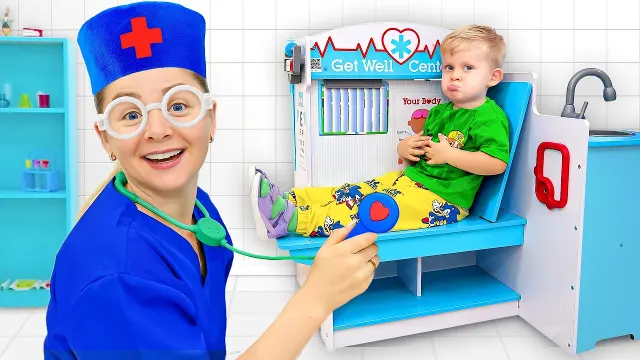
 Hygiene Stories for Kids: Handwashing, Dentist and Self-Care
#Kids Hygiene
1 ideas
Hygiene Stories for Kids: Handwashing, Dentist and Self-Care
Get new #Kids Hygiene ideas by email
Every Thursday: the week's best ideas, with the newest from #Kids Hygiene.
Related tags
Kids Hygiene: Simple Habits for Growing Children
Hygiene for children is less about spotlessness than about small, repeatable habits. It is the everyday care that keeps a growing body comfortable and healthy: clean hands, brushed teeth, a washed face, trimmed nails and clothes that get changed often enough. Children are not born knowing any of this. They learn it the way they learn language, by watching the adults around them and by doing the same things over and over until they become automatic.
Why it matters
Children spend their days close together, sharing toys, tables and air. Some exposure to ordinary germs is a normal part of growing up and helps build a robust immune system. Good hygiene is not about avoiding the world; it is about reducing the moments when germs travel easily from hands to mouth, from cup to cup, from a sneeze to a sibling. The other half of the benefit is social: a child who knows how to keep clean feels more at ease among other children, and that confidence lasts.
Hands first
Handwashing is the single habit worth repeating most often. Teach it as a routine with steps rather than a vague instruction: wet hands, use soap, rub palms, backs, between the fingers and under the nails, rinse, dry properly with a towel rather than a shirt. Do it before eating and after using the toilet, after playing outside, after handling pets, and after coughing or sneezing. A short song sung while rubbing makes the time pass and gives children a natural marker for how long to keep going.
- Cough and sneeze into the elbow or a tissue, then wash hands
- Keep a small nail brush or just soap at the sink, at child height
- Make handwashing a shared moment, not a command
Read more
Teeth and mouth
Brushing should start as soon as the first teeth appear, with an adult helping until the child can do it well alone. Twice a day, gently, with a small soft brush and a smear of fluoride toothpaste appropriate for the child's age. Children mimic what they see, so brushing alongside your child is usually more effective than reminding them. Dental check-ups belong to the routine from an early age, so the visit feels ordinary rather than frightening.
Bath time and body care
Children do not need long, elaborate baths. Regular washing of the face, hands, feet, underarms and the nappy area, plus a proper bath a few times a week, is generally enough for young skin. Lukewarm water and mild products suit most children. Hair washing can be less frequent, and nails need trimming when they start to collect dirt or scratch. Encourage children to wash their own body as soon as they can, with help for the parts they miss.
Building the habit
Routines work better than rules. Keep the same order each evening, let children take turns being "in charge" of the soap, and praise the effort rather than the result. Practical setups help: a step stool at the sink, a towel within reach, clothes laid out. Be patient with regressions, which are common during busy or tiring periods. Keep explanations simple and honest, and let children ask questions without embarrassment. If something about your child's skin, teeth or health worries you, a doctor or dentist is the right person to ask, and no guide replaces that visit.
#Kids Hygiene: frequently asked questions
How do I start teaching my child about hygiene without turning it into a battle?
Begin with one habit at a time and build it into an existing routine, such as washing hands right before a meal or brushing teeth right after the evening wash. Children learn by copying, so doing it alongside them works far better than issuing reminders. Keep the tone light and praise the effort rather than the result.
What do we actually need at home to make hygiene easy for a child?
A step stool so they can reach the sink, a towel within arm's reach, soap at child height and a small soft toothbrush cover the essentials. Clothes laid out and a consistent place for the towel help more than any special product. Simple and accessible beats fancy.
Which soap, toothpaste or bath products should I choose for a young child?
Mild, unscented products are usually the kindest choice for young skin, and a small soft brush with a fluoride toothpaste made for children suits most families. Lukewarm water and short, regular washing do more for a child than elaborate baths or strong products. If your child's skin or teeth concern you, ask a doctor or dentist rather than choosing by yourself.
How do I handle a child who resists handwashing or tooth brushing?
Turn it into something shared and playful: wash your own hands next to them, sing a short song while rubbing, or let them take turns being in charge of the soap. A visual step-by-step routine at the sink gives children a clear sequence to follow. Expect regressions during busy or tiring weeks and stay patient rather than strict.
Is it normal for a child's hygiene habits to slip after they've learned them?
Yes, regressions are common and usually pass, especially when a child is tired, unwell or going through a change. Going back to the same familiar order each evening usually restores the habit faster than scolding. Keep explanations simple and let questions be asked without embarrassment.
Can I use stories or play to teach kids about hygiene?
Reading or inventing short stories about handwashing, a first dentist visit or looking after yourself gives children a way to picture the habit before doing it. Acting it out with toys or taking turns as the helper turns a rule into something they want to repeat. It works best paired with the real routine, not instead of it.
Videos come from YouTube and posts from Instagram; titles and summaries are our own. All rights belong to their creators.