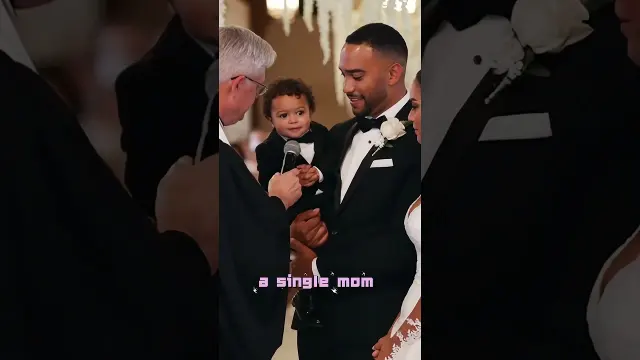
 Toddler Makes a Hilarious and Honest Remark at Church
#Kids Say The Darndest Things
1 ideas
Toddler Makes a Hilarious and Honest Remark at Church
Get new #Kids Say The Darndest Things ideas by email
Every Thursday: the week's best ideas, with the newest from #Kids Say The Darndest Things.
Related tags
Kids Say the Darndest Things: The Charm of Honest Talk
A small child stands in a shop queue, studies a stranger's hat, and announces to the whole room exactly what she thinks of it. Everyone freezes, then laughs, and the parent wishes the floor would open. It is a scene that plays out wherever there are children, and it is why so many families keep a running list of the things their kids have said.
Why children are so wonderfully unfiltered
Most of what makes a child's remark funny is not mischief. It is honesty delivered without the social editing that adults apply automatically. Children are still learning which thoughts are for saying out loud and which are for keeping, so what comes out is often the unvarnished version of what they actually noticed. They are also literal, small, and completely earnest, which is a difficult combination to be annoyed by.
What is happening in their language
Read more
A great deal of the humour comes from a child working out how language fits together. Words can be misheard, idioms taken at face value, and rules of grammar applied far too widely, so a child produces invented past tenses and unusual plurals with total confidence. Questions arrive with no sense of which topics are private. When a four-year-old asks a guest why they have such a big nose, it is not a judgement; it is a request for information.
The usual varieties
- The literal reading: an adult phrase understood exactly as it sounds.
- The loud observation: a comment about a stranger's appearance, age or size, offered at close range.
- The mangled word: a near-miss pronunciation that turns out better than the original.
- The parrot: a phrase picked up from a parent and repeated at the moment it does most damage.
- The unanswerable question: sincere curiosity about something no adult has ever had to explain.
When it lands badly
The remark may be painful for the person who overhears it, and it can sting for a parent too. Try not to scold a child simply for being honest; instead, name the difference between true and kind, and offer a gentler sentence they could use next time. Apologise lightly on their behalf and move on. Laughing too hard at a child's confusion teaches them to repeat the confusion for applause, and being made into a performer is a strange burden for a small person.
Keeping the good ones
Write them down the same day, in the child's exact words, with a line about where you were. Paraphrase ruins them; the odd phrasing is the whole point. A notebook or a note on your phone is enough.
Sharing with care
Before you post or tell the story widely, ask whether the child would be comfortable hearing it in a few years, and never share another family's child without their parents' agreement. The funniest lines are usually about language, not about a real person's body or private life. A child's frankness is a stage, not a character, and it passes soon enough. Enjoy it while it is here, and be gentle with it.
#Kids Say The Darndest Things: frequently asked questions
How do I start keeping track of the funny things my child says?
Start the same day the remark happens, while the exact wording is still fresh. A plain notebook or a note on your phone is all you need — the point is to capture the phrasing, not to build an elaborate system.
What should I write down besides the quote itself?
Record the child's words exactly as they came out, since paraphrasing drains the humour out of an odd phrase or invented word. Add a short line about where you were and what prompted it, so the moment still makes sense when you read it back later.
Which remarks are worth saving and which should I let go?
The ones that tend to hold up are about language rather than about a real person — a literal reading of an adult phrase, a confidently wrong plural, a mangled word that comes out better than the original. Anything that turns on someone's body, age or private life may be funny in the moment but rarely reads well afterwards.
What should I do when my child's comment embarrasses someone?
Avoid scolding a child simply for being honest; instead point out the difference between something being true and something being kind, and offer a gentler sentence they could try next time. A light apology to the person who overheard it, then moving on, usually settles things.
How do I share these stories with family without causing problems?
Before telling a story widely or posting it, ask yourself whether the child would be comfortable hearing it in a few years. Never share another family's child without their parents agreeing, and keep the focus on the funny wording rather than on anyone's appearance or private life.
Is it a mistake to laugh when my child says something confused?
Laughing hard at a child's mix-up teaches them to repeat the mix-up for applause, which turns a small person into a performer. Enjoy the moment, but be careful not to make the confusion a routine they feel they have to keep delivering.
Videos come from YouTube and posts from Instagram; titles and summaries are our own. All rights belong to their creators.