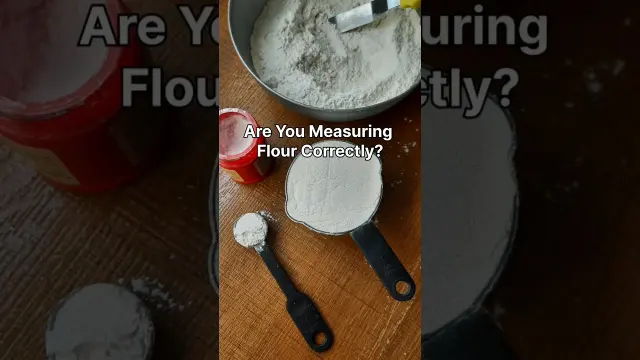
 Correctly Measuring Flour For Baking Success
#Kitchen Skills
1 ideas
Correctly Measuring Flour For Baking Success
Get new #Kitchen Skills ideas by email
Every Thursday: the week's best ideas, with the newest from #Kitchen Skills.
Related tags
Kitchen Skills for Everyday Cooking
Kitchen skills are the practical habits and techniques that help you prepare food safely, efficiently, and with better results. They include everything from using a knife properly and measuring ingredients to reading a recipe, timing several tasks at once, and cleaning as you go. Whether you cook every day or only now and then, these skills make the kitchen feel less stressful and more manageable.
What kitchen skills include
Good kitchen skills cover a wide range of everyday tasks. Some are simple, like washing produce, peeling vegetables, or cracking eggs cleanly. Others involve technique, such as slicing evenly, sautéing without burning, simmering gently, or judging when dough or batter is mixed enough. Kitchen skills also include planning: knowing what tools you need, preparing ingredients before you start, and keeping your work area organized.
These abilities matter because they help food cook more evenly, reduce waste, and make recipes easier to follow. They also make cooking safer, especially when working with sharp tools, heat, or raw ingredients.
Read more
Core techniques to learn first
If you are just starting out, focus on a few basics rather than trying to master everything at once.
- Knife skills: Learn how to hold a knife securely, keep your fingers tucked away, and cut with steady, controlled movements.
- Measuring accurately: Use the right kind of measuring tool for dry and liquid ingredients, and level off dry ingredients when needed.
- Heat control: Get familiar with low, medium, and high heat, and notice how quickly different pans or stovetops respond.
- Timing and sequencing: Prepare ingredients before cooking so you are not rushing once the pan is hot.
- Tasting and adjusting: Check seasoning as you cook, especially near the end, so flavors stay balanced.
Common kinds of kitchen know-how
Kitchen skills can be divided into a few broad areas. Prep skills help you wash, trim, chop, grate, and measure ingredients. Cooking skills include boiling, steaming, roasting, frying, baking, and simmering. Organization skills help you set up your space, keep tools within reach, and clean up efficiently. There are also food-handling habits, such as storing ingredients properly and keeping raw and cooked foods separate.
Helpful habits for beginners
A few simple habits can make a big difference.
- Read the whole recipe before you begin.
- Gather ingredients and tools first.
- Work on a stable cutting board.
- Use dry hands and a clean surface when handling slippery tools.
- Start with simple recipes and repeat them until they feel familiar.
- Clean spills quickly and keep clutter to a minimum.
It also helps to be patient with yourself. Kitchen skills grow through repetition, and small improvements add up. You do not need to be perfect to cook well. If you stay curious, pay attention to texture, smell, and appearance, and practice regularly, you will become more confident over time.
Building confidence in the kitchen
The best way to improve is to cook often in small ways. Make simple meals, practice one technique at a time, and notice what works. Over time, you will start to recognize how ingredients behave, how long tasks really take, and how to adjust when something does not go exactly as planned. That practical confidence is what kitchen skills are really about.
Videos come from YouTube and posts from Instagram; titles and summaries are our own. All rights belong to their creators.