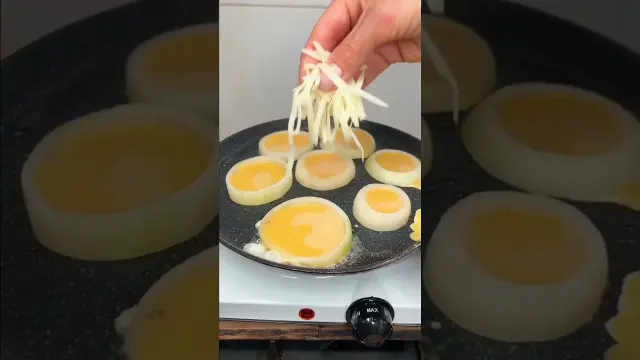
 Clever Cooking Hacks Every Home Cook Needs To Know
#Kitchen Tricks
2 ideas
Clever Cooking Hacks Every Home Cook Needs To Know
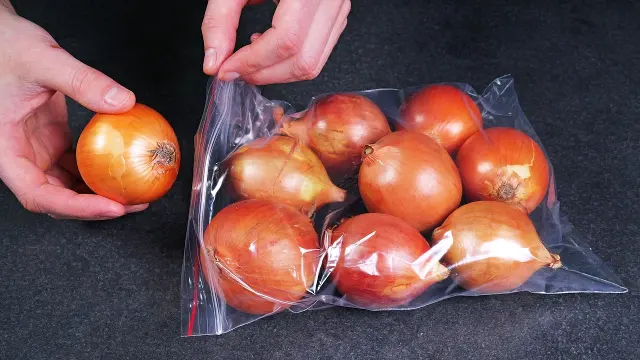 17 Practical Kitchen Hacks And Tips For Easy Cooking
Get new #Kitchen Tricks ideas by email
Every Thursday: the week's best ideas, with the newest from #Kitchen Tricks.
Related tags
Kitchen Tricks: Simple Habits That Make Cooking Easier
Kitchen tricks are the small, quietly useful habits that sit between a recipe and the everyday reality of getting dinner on the table. They are not gadgets or secret ingredients, and most of them cost nothing. A kitchen trick is simply a way of doing something — chopping, storing, cleaning, timing — that saves a step, a dish, or a moment of panic. Some are passed down at a family stove, others come from professional kitchens, and many are rediscovered by anyone who has cooked the same meal often enough to notice a better way.
What they are for
Tricks solve the friction that makes cooking feel like work rather than a pleasure: the garlic that will not peel, the counter covered in scraps, the pot that boils over, the herbs that wilt two days after you buy them. They fall into rough families. There are preparation tricks, which make ingredients easier to handle. There are tricks of order and timing, which decide what you start first. There are storage tricks that keep food good for longer, and cleaning tricks that undo the mess afterwards. None of them changes what a dish is; they change how much of you it takes.
Preparation
Read more
Many small improvements begin before anything is heated. Keeping a clean, damp cloth and a bowl for scraps at hand means you can wipe and clear as you go rather than facing a full counter at the end. A sharp knife is safer than a dull one, because it goes where you aim it instead of slipping. Letting meat rest out of the fridge for a little while before cooking, and patting it dry, helps it brown rather than steam. Salting vegetables and letting them sit draws out water that would otherwise dilute a sauce.
Order and heat
The most common source of stress in a kitchen is not technique but sequencing. Read a recipe through once before starting, then set out everything you need — a habit cooks call *mise en place*. Start the thing that takes longest first, and use the waiting time for the rest. Learn your own stove: pans and ovens rarely run at exactly the temperature they claim, so watch and smell rather than trusting the dial alone. Give food room in the pan; crowded food stews instead of searing.
Storage and small repairs
Simple storage habits save more money than any shopping strategy. Keep herbs upright in a glass of water, wrap leafy greens so they do not dry out, and store onions away from potatoes. Label leftovers with what they are rather than when they were made. For cleaning, steam loosens dried spills on a stovetop, and a paste of bicarbonate of soda lifts burnt marks from a pan.
Where to begin
Do not try to adopt all of it at once. Choose one habit — clearing as you go, or setting out ingredients before you start — and let it become automatic before adding another. Kitchen tricks are worth having not because they are clever, but because they leave you with more attention for the food and less for the mess.
#Kitchen Tricks: frequently asked questions
How do I start using kitchen tricks without feeling overwhelmed?
Pick a single habit and repeat it until it happens without thinking, then add another. Clearing the counter as you cook or laying out every ingredient before you begin are good first choices because they remove stress immediately. Trying to change everything at once usually means none of it sticks.
What do I actually need to put these tricks into practice?
Very little beyond what most kitchens already hold: a knife you keep sharpened, a couple of bowls, a clean cloth, and containers for leftovers. The value comes from how you use them rather than from buying anything new. Most of the useful habits cost nothing at all.
Which habits make the biggest difference to how cooking feels?
Sequencing is usually the one people notice first — reading the recipe through, then starting the longest task before anything else. Giving food space in the pan and letting meat sit out briefly and dry before it hits the heat also change results noticeably. Both are about timing and patience rather than skill.
How do I keep herbs, greens and other fresh food from spoiling so fast?
Treat each thing according to how it likes to be stored: stand herbs upright in a little water, keep leafy greens wrapped so they don't dry out, and keep onions and potatoes apart from one another. Labeling what goes into the fridge makes you far more likely to use it. Small storage habits tend to save more than any shopping strategy.
What are the most common mistakes in the kitchen?
Crowding the pan so food steams instead of browning, and trusting the dial on the stove rather than watching and smelling what is actually happening. Another frequent one is leaving the cleanup until the end, which turns a small tidy-up into a large job. A dull knife also causes more trouble than a sharp one, since it slips instead of going where you aim.
Any tricks for cleaning up stubborn messes afterwards?
Steam does a lot of the work on dried spills across a stovetop — let it loosen the residue before you wipe. For burnt marks inside a pan, a paste of baking soda left to sit lifts most of it without hard scrubbing. Wiping as you go means you rarely face either problem in the first place.
Videos come from YouTube and posts from Instagram; titles and summaries are our own. All rights belong to their creators.