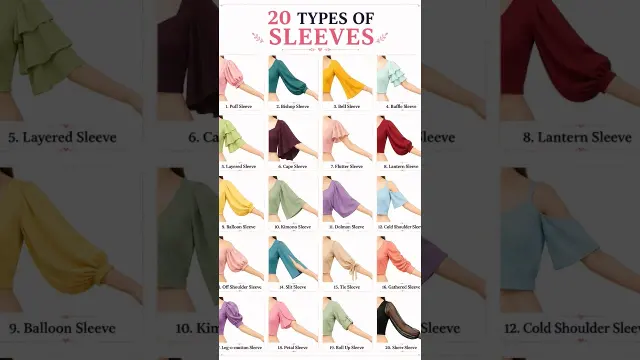
 Twenty Sleeve Types for Kurtis, Blouses, Tops and Dresses
#Kurti Design
2 ideas
Twenty Sleeve Types for Kurtis, Blouses, Tops and Dresses
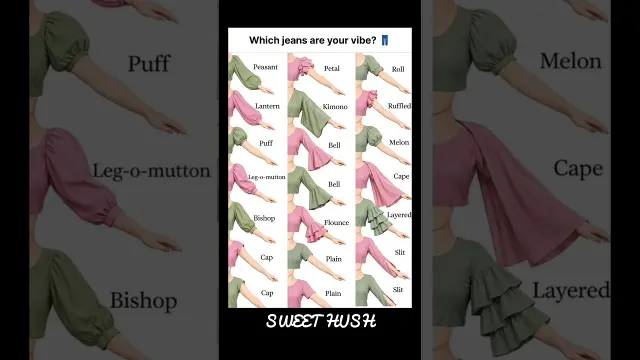 Twenty-One Sleeve Designs for Blouses, Kurtis and Tops
Get new #Kurti Design ideas by email
Every Thursday: the week's best ideas, with the newest from #Kurti Design.
Related tags
Kurti Design: Cuts, Prints and Styling Ideas
The kurti is a long upper garment that falls somewhere between a shirt and a dress, worn across South Asia and now well beyond it. Its length usually reaches the hip or the knee, and it is most often paired with leggings, trousers, a salwar or jeans. What makes the kurti so adaptable is that it is not one garment but a whole family of them: the cut, the neckline, the sleeves, the fabric and the surface decoration can each be changed, and every combination produces a slightly different character.
The main silhouettes
- Straight cut: the simplest and most common shape, falling in a clean line from the shoulders. Forgiving and easy to wear.
- A-line: gently flared from the waist or chest, flattering on most figures and comfortable in warm weather.
- Anarkali: fitted through the bodice and flared dramatically below, traditionally worn for celebrations.
- Angrakha: a crossover front that wraps and ties, with a folk origin and a distinctive asymmetrical line.
- Asymmetric and high-low: hemlines that sit shorter at the front or on one side, giving a modern edge to a simple shape.
Necklines and sleeves
Read more
The neckline sets the mood of a kurti more than any other detail. Round necks are relaxed and everyday; V-necks lengthen the line of the body; mandarin collars look tailored; notch and keyhole openings add interest without fuss. Sleeves are equally expressive, from short cap and puff styles to three-quarter, bell, slit and full-length versions. A useful rule: if the neckline is detailed, keep the sleeves quiet, and the other way round.
Fabric and print
Cotton is the reliable everyday choice, breathable and easy to care for. Rayon drapes softly and suits flared cuts. Silk and silk-blend fabrics hold their shape for formal wear, while chanderi and similar woven fabrics bring a quiet sheen. Prints carry most of the visual weight in kurti design: block printing, tie-and-dye effects, ikat, floral repeats, geometrics and embroidery such as chikankari. A busy print needs a calm cut; a plain fabric can carry a dramatic silhouette or a bold sleeve.
Practical tips for beginners
Start with a straight-cut or A-line kurti in a solid colour, and note where it sits on your shoulder and how long you actually like it. Those two measurements become your reference for everything else. Choose prints in a scale that matches your frame, and keep the embroidery to one area rather than scattering it. When in doubt, let the fabric decide the design: stiff cotton suits structure, fluid rayon suits drape.
Styling
A kurti can be dressed up or down with very little effort. With leggings and flat sandals it is everyday wear; with palazzo trousers and a dupatta it becomes festive; with jeans and a long pendant it reads casual and contemporary. Layering a sleeveless kurti over a full-sleeve top extends it into cooler months. The design that lasts is the one that fits well and feels like you, so use the details above as a vocabulary rather than a rulebook.
#Kurti Design: frequently asked questions
How do I choose a kurti design that will actually suit me?
Start with the length and shoulder fit you already know work for you, then choose the silhouette around them — straight cuts and A-lines are the most forgiving places to begin. Let the fabric guide the rest: crisp cotton holds structure well, while fluid rayon drapes and flatters flared shapes. A calm cut with a busy print, or a plain fabric with a strong silhouette, is easier to get right than piling detail onto detail.
Which kurti fabric should I pick for everyday wear versus a special occasion?
Breathable cotton is the dependable choice for daily wear because it is comfortable and simple to look after, and rayon works well when you want soft drape in a flared cut. For celebrations, silk and silk-blend fabrics hold their shape and carry a quiet sheen, while woven fabrics like chanderi bring texture without weight. As a rule, choose the fabric first and let it suggest the design rather than the other way round.
How should I care for my kurtis so they last?
Follow the care label, and treat delicate fabrics and any embroidery more gently than plain everyday cotton — often a cool hand wash and drying in shade rather than direct sun. Wash strong colours separately the first few times, and turn printed or embellished pieces inside out to protect the surface. Storing folded rather than on a hanger helps knitted and draped fabrics keep their line.
How can I style one kurti for different occasions?
The same piece shifts easily with what you pair it with: leggings and flat sandals read as everyday, palazzo trousers with a dupatta turn festive, and jeans with a long pendant feel casual and modern. Layering a sleeveless kurti over a full-sleeve top stretches it into cooler weather. Keeping the accessories and the garment from competing — one focal point at a time — is what makes the change look deliberate.
What are the most common mistakes people make with kurti design?
The usual one is overcrowding: a busy print, a detailed neckline and dramatic sleeves all at once leave nothing to stand out. Another is scattering embroidery across the whole garment instead of concentrating it in one area, and choosing a print scale that overwhelms a smaller frame. Balancing one bold element against calm ones fixes most of these.
What is the best kurti design to start with if I am new to this?
A straight-cut or A-line kurti in a solid colour is the easiest first piece, because the simple shape lets you notice how the shoulder sits and what length you genuinely enjoy wearing. Those two observations become your reference for every kurti you choose afterwards. From there you can experiment with necklines and sleeves, changing one detail at a time.
Videos come from YouTube and posts from Instagram; titles and summaries are our own. All rights belong to their creators.